· 9 min read
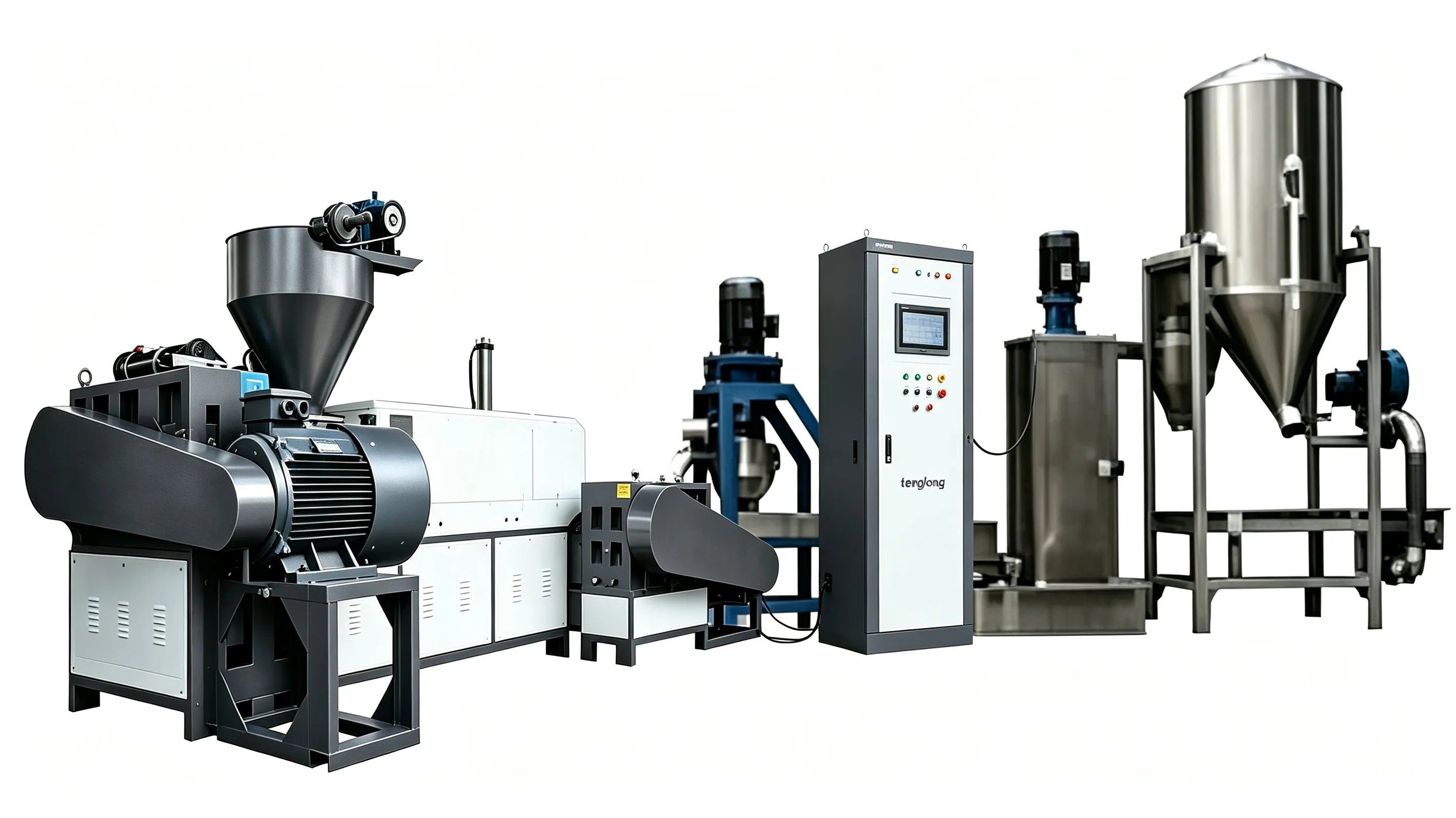
How to choose a plastic granulator in seven steps
Feed form, dirt load, output, cutting method, power, footprint, service. In that order — and why getting the order wrong is the most expensive mistake in the project.
Read the note6 technical notes
Six notes we send to buyers before they order. Each one answers a question that decides several thousand dollars of configuration, and each one is written by the people who commission the machines.
· 9 min read
Feed form, dirt load, output, cutting method, power, footprint, service. In that order — and why getting the order wrong is the most expensive mistake in the project.
Read the note· 8 min read
Machine price, installation, power and wear parts over five years — with the FOB ranges we quote and the four options that move them most.
Read the note· 7 min read
Mixing, dispersion, cost per kg/h and maintenance — where the extra 2.5× investment in a twin screw actually goes.
Read the note· 6 min read
Pellet shape, floor space, dust level, polymer suitability and price — the same comparison we run with every buyer.
Read the note· 8 min read
Moisture, temperature and residence time: the three variables that decide whether recycled PET can go back into a bottle.
Read the note· 7 min read
Why the compactor position decides output, and where the 300–450 kWh per ton actually goes.
Read the noteNext step
Send the polymer, contamination level and target output. You get a model recommendation, power estimate and price range within one working day.