High-frequency Questions on Selection, Operation and Maintenance of 377-150 EPE Pearl Cotton Pelletizer
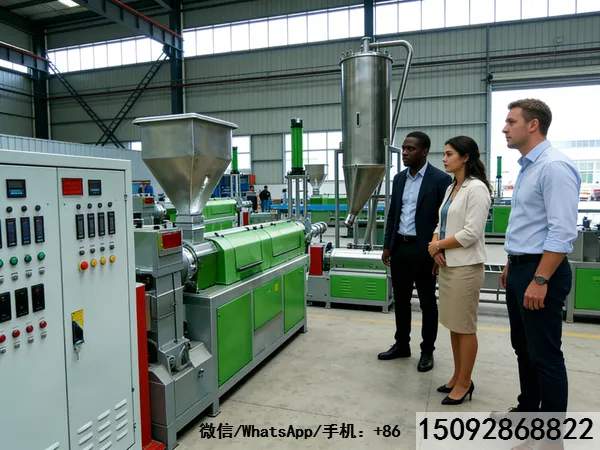
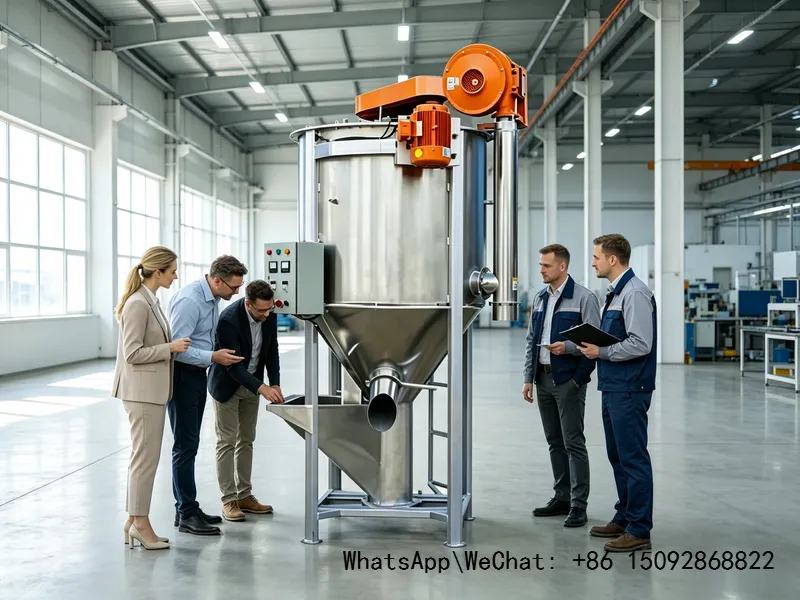
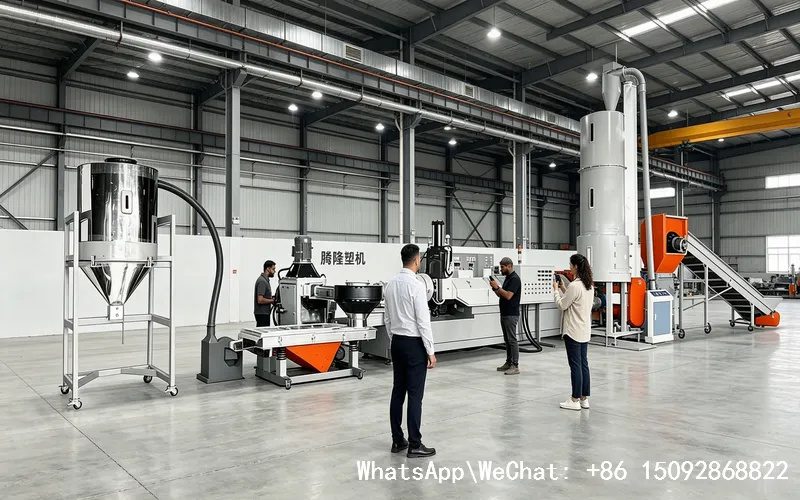
EPE pearl cotton and foam plastic recycling pelletizing have extremely high requirements for equipment adaptability. Ordinary general pelletizers cannot meet the production needs of fluffy lightweight materials. Many manufacturers suffer from insufficient capacity, high particle defective rate, easy equipment wear and high operation and maintenance costs due to improper equipment selection. The 377-150 EPE pearl cotton pelletizer is a special EPE pearl cotton pelletizer customized for lightweight foam materials. With the core advantages of forced compaction feeding, large-diameter compression feeding, two-stage refining and high-grade wear resistance, it adapts to large-scale recycling mass production of various pearl cotton wastes. Combined with equipment parameters and practical application experience, the following answers core user questions about equipment selection, operation and maintenance, helping manufacturers select equipment scientifically and stabilize production safely.
pearl cotton pelletizerQ1: Why must pearl cotton pelletizing adopt a special EPE instead of ordinary pelletizers?
Professional Answer: Pearl cotton is a lightweight and highly fluffy foam material. Ordinary pelletizers have no forced compaction feeding and large-diameter compression structure, resulting in easy slipping and uneven feeding of materials, and a large amount of air is wrapped during melting, leading to bubbling, hollowing and scrapped appearance of particles. In contrast, the 377-150 EPE pearl cotton pelletizer is custom-designed with a 377mm compressed feeding caliber and 11KW forced feeding structure to specially solve the feeding difficulties of fluffy materials. Combined with two-stage extrusion and zoned precise heating, it guarantees finished product quality fundamentally from the process, serving as the essential special equipment for pearl cotton recycling.
Q2: What is the actual production value of high-frequency heat treatment for wear-resistant accessories of pearl cotton pelletizers?
Professional Answer: Waste pearl cotton materials are mostly mixed with dust and fine impurities, which will continuously wear screws, blades and barrels during long-term processing. The spiral blades of this machine adopt manganese steel high-frequency treatment, screws adopt 40CR high-frequency reinforcement, and barrels adopt No.45 steel quenching treatment. The overall hardness, wear resistance and corrosion resistance are greatly improved, which can resist long-term erosion and wear of mixed materials without easy deformation and damage. It greatly reduces the frequency of accessory replacement and shutdown maintenance time, effectively lowers long-term production costs and stabilizes production capacity.
Q3: What are the combined advantages of four groups of independent heating rings + electromagnetic heating?
Professional Answer: The 60KW high-power electromagnetic heating features fast temperature rise, power saving and uniform temperature. Combined with four groups of independent zoned heating rings, it can accurately control the temperature of each section of the main and auxiliary machines in sections, adapting to the full-process temperature requirements of pearl cotton compaction, melting, refining and extrusion. It completely solves the problems of large temperature difference in single-section heating, uneven plasticization, local material scorching and particle bubbling, ensures unified plasticization quality of each batch of materials, and delivers stable finished particle appearance with high market recognition.
Call to Action
If you have personalized questions about 377-150 EPE pearl cotton pelletizer selection matching, capacity customization, temperature debugging, after-sales maintenance and accurate quotation, feel free to contact us for free one-on-one technical consultation at any time! WhatsApp/WeChat: +86 15092868822 | Email: [email protected]