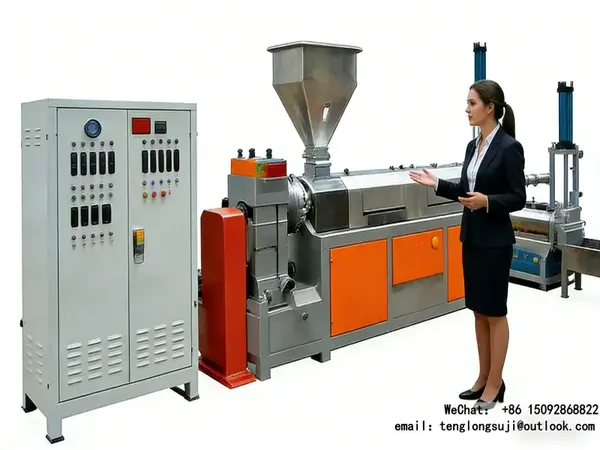
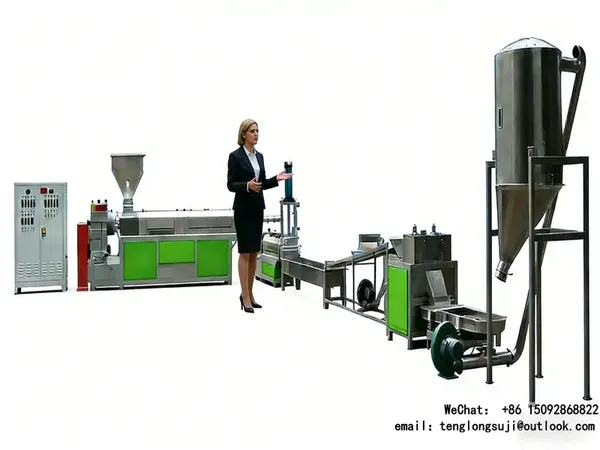
Post-industrial Scrap Recycling Shredder – Compact High-Speed Machine for Small & Medium Factories (100-300kg/h)
Author: Dr. Michael Carter | Senior Plastic Recycling Technology Engineer | Published Date: May 4, 2026 | Certifications: CE, ISO 9001 | Technical Whitepaper: Download Here | Test Data: View Test Report
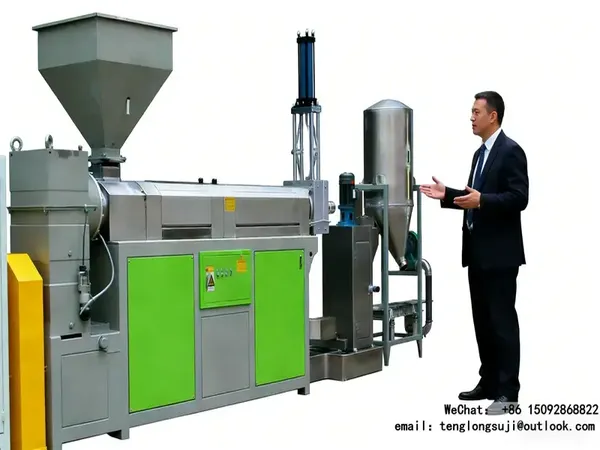
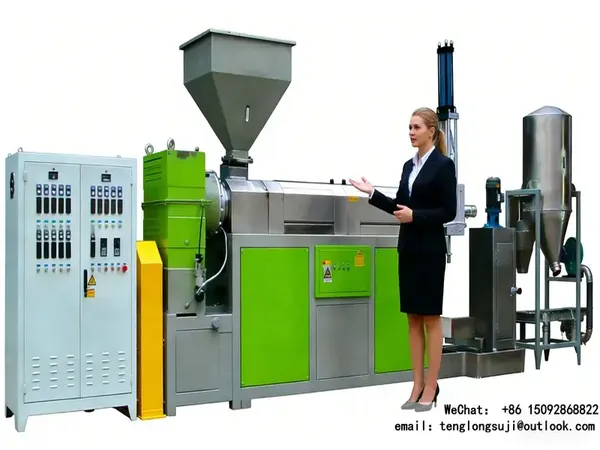
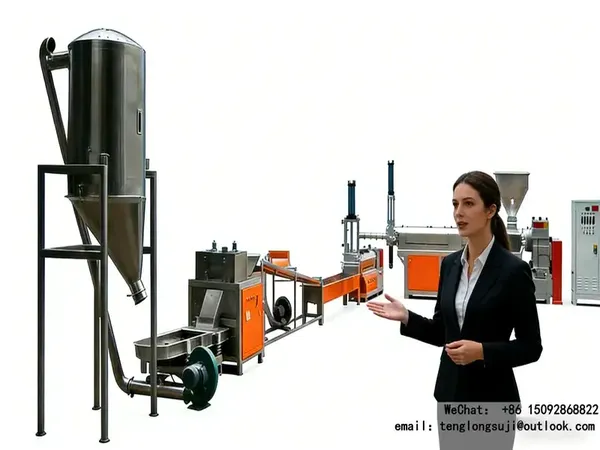
Post-industrial Scrap Recycling plastic scrap—including production offcuts, defective products, runner systems, and packaging waste from plastic manufacturing plants—presents a significant cost-saving opportunity for small and medium-sized factories. Our compact Scrap Recycling shredder is designed to process these scrap materials on-site, converting them into regrind that can be reused in the production process, thereby reducing raw material costs and waste disposal fees—boosting your bottom line.
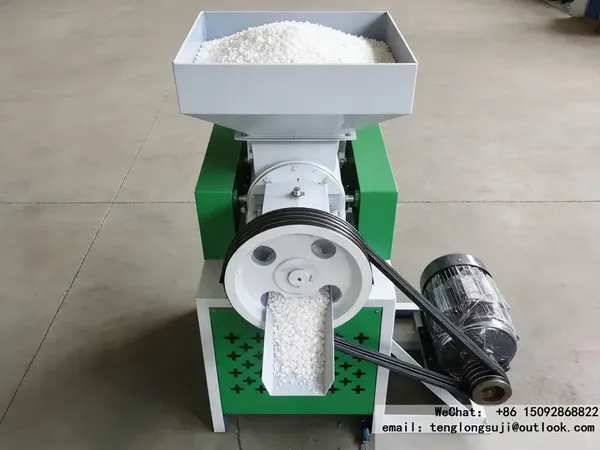
This machine addresses the key pain points of small and medium factories: limited space, high waste disposal costs, and the need for quick, efficient processing of small to medium volumes of Scrap Recycling scrap. Its compact design allows it to be placed directly in the production workshop, reducing material transportation costs. The high-speed rotor and sharp blades ensure efficient shredding of various Post-industrial Scrap Recycling plastics—including PP, PE, ABS, and PET—while the adjustable screen mesh size enables customized regrind particle size to match your production needs.
Why It Matters (Core Benefits)
- On-Site Recycling:With a compact design (150cm×100cm×180cm), the machine can be placed in production workshops, enabling on-site Post-industrial Scrap Recycling of post-industrial scrap. This reduces transportation costs by 80% and eliminates the need for external waste disposal services—saving you time and money.
- Cost Savings:Reusing regrind in production reduces raw material costs by 30-40%, while eliminating waste disposal fees (which can range from $50 to $100 per ton). For a small factory producing 5 tons of plastic products per day, this translates to annual savings of $50,000 to $100,000— a significant boost to profitability.
- High Efficiency:A high-speed rotor (1480 rpm) and sharp tungsten carbide blades ensure efficient shredding of post-industrial scrap, with an output capacity of 100-300kg/h. The machine can process scrap materials directly without pre-processing, saving valuable time in your production workflow.
- Easy Integration:The machine can be easily integrated with existing production lines, allowing regrind to be fed directly into the extruder or injection molding machine, creating a closed-loop production system that minimizes waste and maximizes resource utilization.
Technical Parameters (Data Points)
| Parameter | Specification |
| Motor Power | 15 kW |
| Rotor Diameter | 180 mm |
| Number of Blades | 6 (Tungsten Carbide) |
| Screen Mesh Size | 4-10 mm (Adjustable) |
| Output Capacity | 100-300 kg/h |
| Applicable Materials | PP, PE, ABS, PET, PC (Post-industrial Scrap) |
| Rotor Speed | 1480 rpm |
Application Case
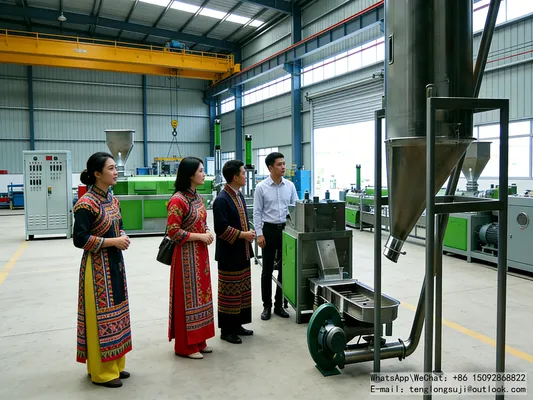
A small plastic injection molding factory in Guangzhou, China, was generating 200kg of Post-industrial Scrap Recycling scrap (runner systems and defective products) daily, incurring $80 per day in waste disposal fees. After installing our compact Scrap Recycling shredder, they began recycling the scrap into regrind, which is now used in 30% of their production process. This reduced their raw material costs by 35% and eliminated waste disposal fees, resulting in monthly savings of $4,800. The machine’s compact design fit easily in their workshop, and the on-site Post-industrial Scrap Recycling process reduced material transportation time by 2 hours per day—improving overall production efficiency.
FAQ (Featured Snippet Optimized)
- Q: Can this shredder process post-industrial scrap with metal contaminants?A: Yes.The machine is equipped with a metal detector that automatically stops operation when metal contaminants are detected, protecting the blades and ensuring safe operation—avoiding costly repairs and downtime.
- Q: What is the difference between scrap recycling and plastic recycling?A: Post-industrial scrap is clean, uniform waste from manufacturing (e.g., offcuts, defective products), while post-consumer plastic is used, mixed waste from households.Post-industrial Scrap Recyclingscrap requires less processing (no washing) and produces higher-purity regrind, making it ideal for direct reuse in production.
- Q: How often do the blades need to be replaced?A: Every 6-8 months.The tungsten carbide blades are highly wear-resistant, and replacement is quick and easy, with minimal downtime (less than 1 hour)—ensuring your production workflow remains uninterrupted.
- Q: Can this machine be used with injection molding machines?A: Yes.The regrind produced by the machine can be mixed with new plastic resin (up to 30-40%) and fed directly into injection molding machines, creating a closed-loop production system that reduces waste and costs.
After-Sales Service
We offer a 1-year warranty on all parts, 24/7 online technical support, and on-site maintenance services in Asia, Europe, and North America for your Scrap Recycling equipment. We provide a steady supply of replacement blades and screens, with a 2-3 day delivery time for most regions. We also offer training for operators to ensure proper use and maintenance of your Post-industrial Scrap Recycling machine.