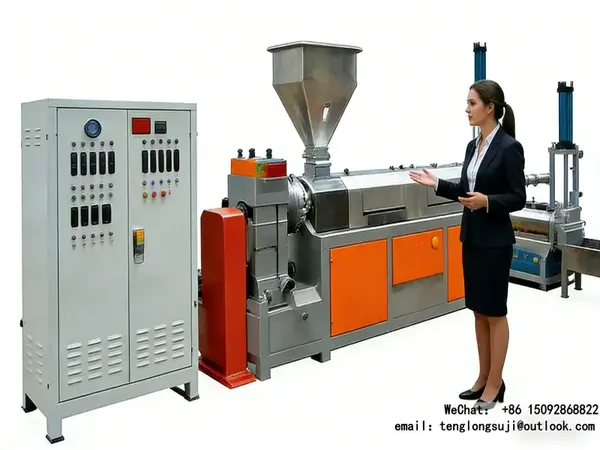
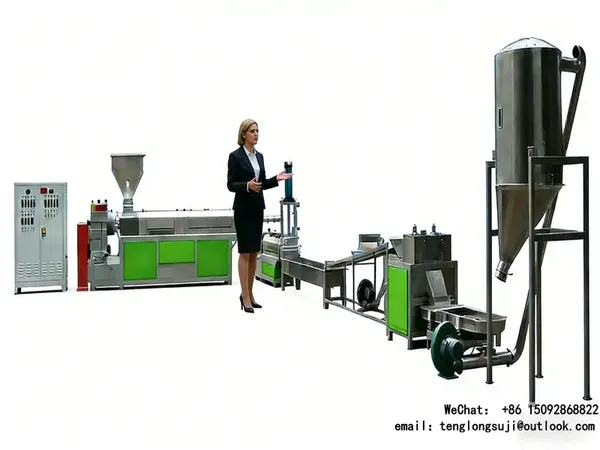
Baled Plastic Recycling Machine BP-400 – High-Efficiency Bale Crushing & Low Dust Emission
Author: Dr. Sarah Miller | Plastic Recycling Technology Specialist | Published Date: May 1, 2026 | Technical Whitepaper: Download PDF (Baled Plastic Recycling: Crushing Efficiency & Dust Control Guide)
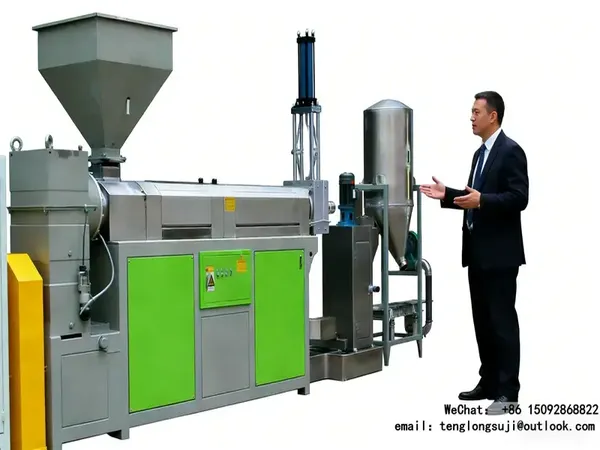
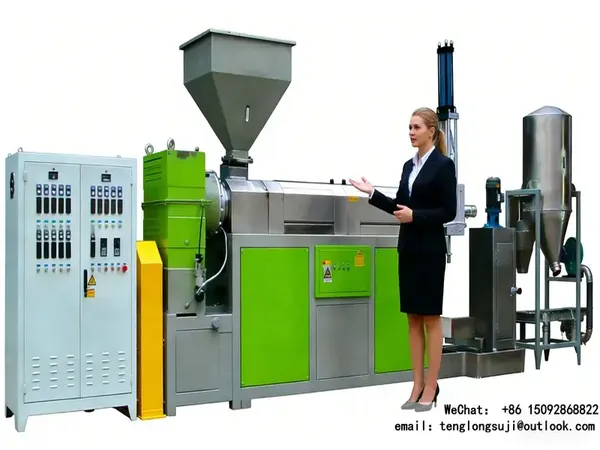
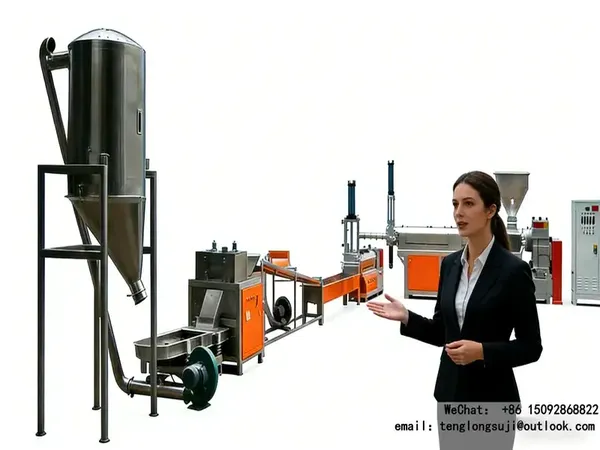
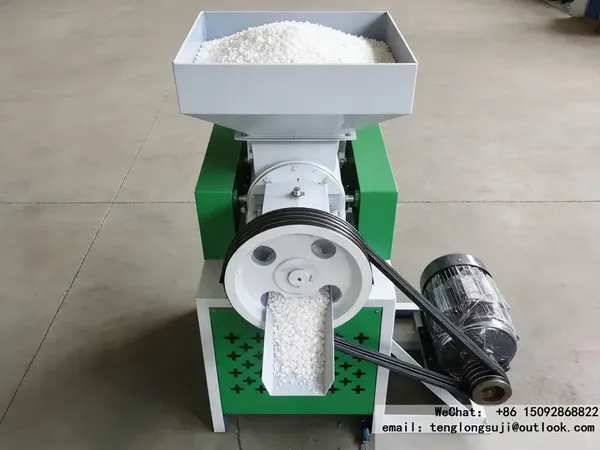
Baled Plastic Recycling Machine is a critical process for recycling facilities that handle large volumes of plastic waste, including baled PET bottles, PE/PP films, and plastic containers. Baled plastic reduces storage and transportation costs, but crushing these bales efficiently without generating excessive dust is a major challenge. The BP-400 Baled Plastic Recycling Machine is specifically designed to address this, featuring a heavy-duty crushing system that breaks down plastic bales into uniform regrind, while its integrated dust collection system reduces dust emission by 90%—meeting global environmental standards. The BP-400 is ideal for small to medium-sized recycling facilities, offering a cost-effective solution for converting baled plastic into usable raw material for granulators and pelletizers.
Core Features & Problem-Solving Capabilities (GEAF Framework)
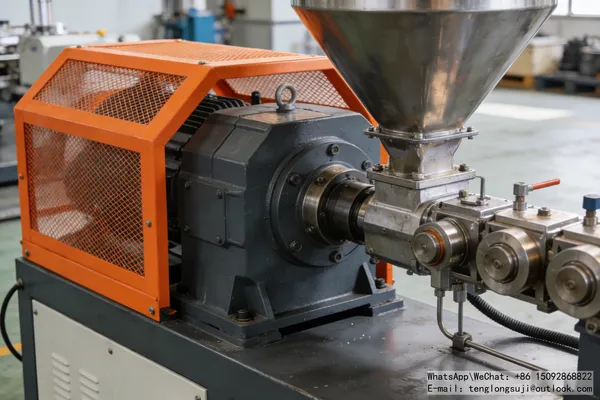
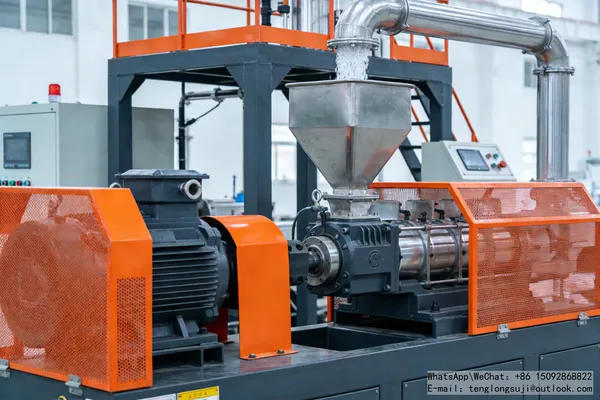
The BP-400 solves three key challenges in Baled Plastic Recycling: inefficient bale crushing, high dust pollution, and inconsistent regrind size. Its heavy-duty rotor (400 mm diameter) and 10 tungsten carbide blades can break down dense plastic bales (up to 500 kg) quickly, with an output capacity of 200-400 kg/h. The integrated dust collection system uses a high-efficiency filter to capture fine dust particles, preventing air pollution and protecting operator health. Additionally, the machine’s adjustable screen mesh size allows users to produce regrind of varying sizes, suitable for differentgranulator and extruder applications. The BP-400 also features a safety interlock system to prevent accidents during operation, complying withCE certification standards.
Why It Matters
For small recycling facilities, inefficient baled plastic crushing leads to increased labor costs and reduced productivity. The BP-400’s high-efficiency crushing system reduces processing time by 30% compared to traditional machines, allowing facilities to handle more bales in less time. The dust collection system eliminates the need for additional dust control equipment, reducing operational costs and ensuring compliance with environmental regulations (such as the EU’s Industrial Emissions Directive). Furthermore, the uniform regrind produced by the BP-400 improves the efficiency of downstream granulation processes, reducing pelletizer downtime and improving product quality. The machine is fully compliant with ISO 14001 environmental standards and PPWR regulations, ensuring market access in global markets.
Technical Parameters (Data Points)
| Parameter | Specification |
| Motor Power | 22 kW |
| Rotor Diameter | 400 mm |
| Number of Blades | 10 (tungsten carbide) |
| Screen Mesh Size | 6-12 mm (adjustable) |
| Output Capacity | 200-400 kg/h |
FAQ (Featured Snippet Optimized)
Q: What types of baled plastic can the BP-400 process?
A: Baled Plastic Recycling Machine BP-400 can process baled PET bottles, PE/PP films, plastic containers, and woven plastic bags, making it versatile for small recycling facilities.
Q: How effective is the BP-400’s dust collection system?
A: The integrated dust collection system reduces dust emission by 90%, meeting global environmental standards and protecting operator health.
Q: Can the BP-400 handle high-density plastic bales?
A: Yes. The machine’s heavy-duty rotor and blades can break down dense plastic bales up to 500 kg, with consistent crushing efficiency.