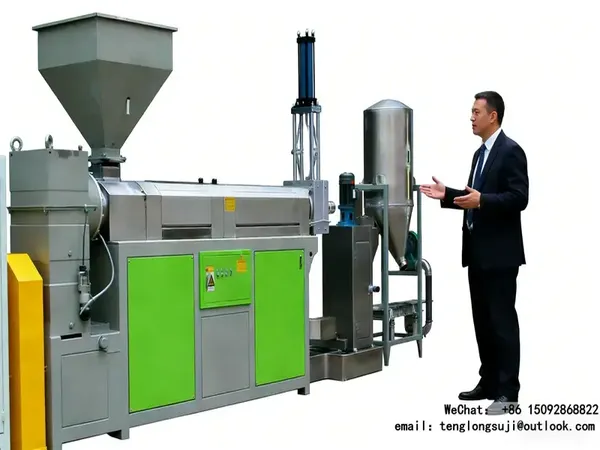
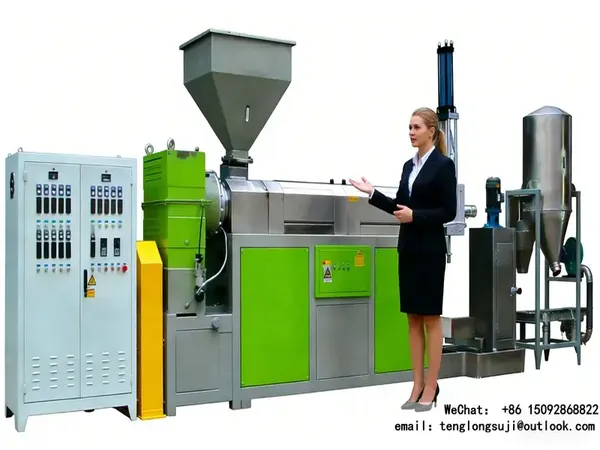
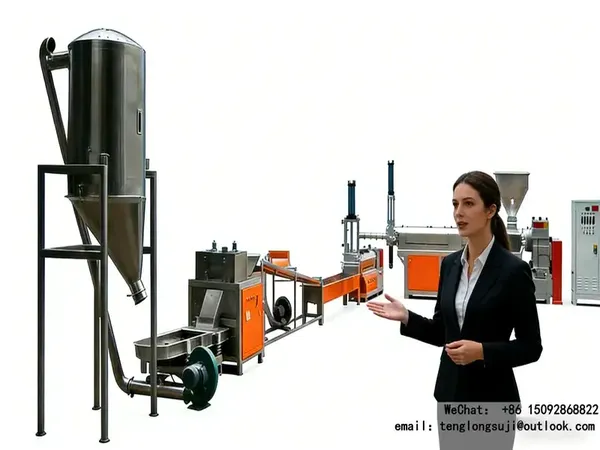
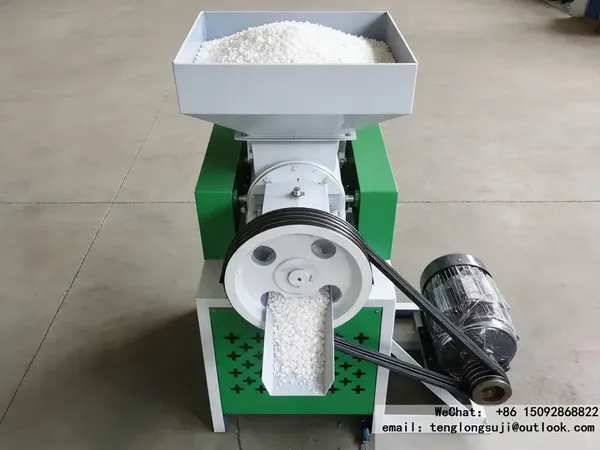
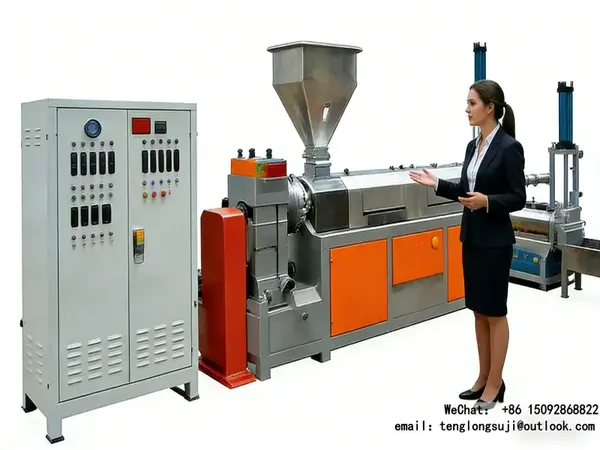
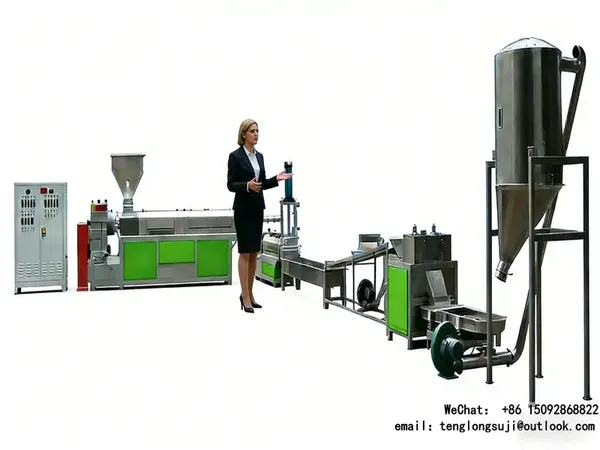
Baled Plastic Recycling Line BP-1000 – Industrial-Scale Bale Processing & Automated Sorting
Author: Dr. Sarah Miller | Plastic Recycling Technology Specialist | Published Date: May6, 2026 | Technical Whitepaper: Download PDF (Industrial-Scale Baled Plastic Recycling Line: Efficiency & Automation Guide)
Industrial recycling facilities require high-throughput, automated Baled Plastic Recycling Line solutions to handle thousands of tons of baled plastic waste annually. The BP-1000 Baled Plastic Recycling Line is engineered to meet this demand, integrating bale feeding, crushing, sorting, and cleaning into a single automated system. Unlike traditional lines that require extensive manual labor, the BP-1000 reduces labor costs by 80% and processes up to 1000 kg of baled plastic per hour. Its advanced sorting system uses infrared technology to separate different plastic types (PET, PE, PP), ensuring high-quality regrind that can be sold to plastic manufacturers or processed into pellets using a pelletizing line.
Core Features & Problem-Solving Capabilities (GEAF Framework)
The BP-1000 addresses the key challenges of industrial-scale Baled Plastic Recycling Line: low throughput, high labor costs, and poor plastic sorting. Its automated bale feeding system can handle multiple bales sequentially, eliminating the need for manual loading. The heavy-duty crushing system (500 mm rotor, 14 tungsten carbide blades) breaks down dense bales quickly, while the infrared sorting system separates PET, PE, and PP with 98% accuracy. The integrated washing system removes contaminants (dirt, labels, adhesives), ensuring the regrind meets industry standards forgranulation. Additionally, the BP-1000 features a smart control system that monitors processing parameters in real time, allowing operators to optimize efficiency and reduce downtime.
Why It Matters
Industrial recycling facilities face intense pressure to increase throughput and reduce costs while meeting strict environmental regulations. The BP-1000’s high output capacity (800-1000 kg/h) allows facilities to process more baled plastic in less time, boosting revenue potential. The automated sorting system eliminates the need for manual sorting, reducing labor costs and improving sorting accuracy—critical for producing high-value regrind. The machine’s compliance with CE certification (2006/42/EC), ISO 9001, and PPWR regulations ensures market access in the EU and global markets. Furthermore, the BP-1000’s energy-efficient design reduces power consumption by 20% compared to similar industrial models, lowering operational costs and enhancing sustainability.
Technical Parameters (Data Points)
| Parameter | Specification |
| Motor Power | 75 kW |
| Rotor Diameter | 500 mm |
| Number of Blades | 14 (tungsten carbide) |
| Screen Mesh Size | 5-10 mm (adjustable) |
| Output Capacity | 800-1000 kg/h |
FAQ (Featured Snippet Optimized)
Q: How accurate is the BP-1000’s plastic sorting system?
A: The infrared sorting system achieves 98% accuracy in separating PET, PE, and PP, ensuring high-quality regrind for downstream processing.
Q: What is the maximum bale weight the BP-1000 can handle?
A: Baled Plastic Recycling Line can handle plastic bales up to 1000 kg, making it suitable for industrial-scale recycling operations.
Q: How does the BP-1000 reduce energy consumption?
A: The BP-1000 features an energy-efficient motor and variable frequency drive, reducing power consumption by 20% compared to similar industrial models.