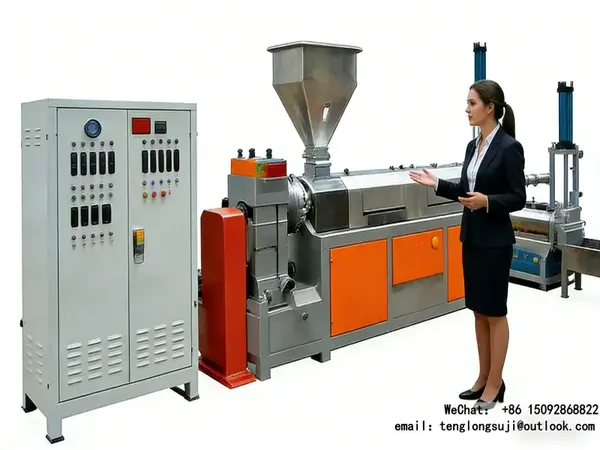
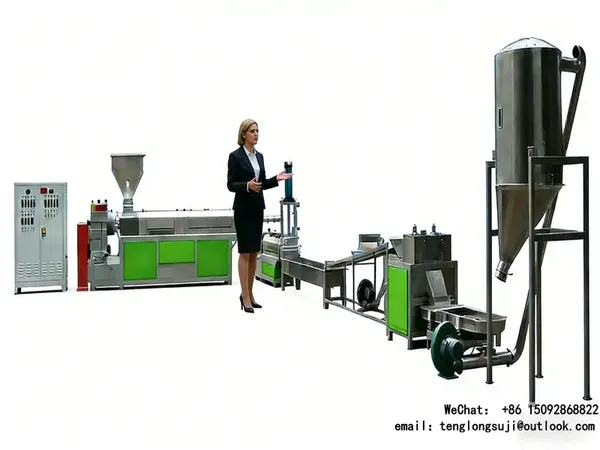
Agricultural Film Recycling Machine AF-300 – High-Precision PE/PP Film Separation & Low Energy Consumption
Author: Dr. Michael Carter | Senior Plastic Recycling Engineer | Published Date: May 1, 2026 | Technical Whitepaper: Download PDF (Agricultural Film Recycling Efficiency Optimization Guide)
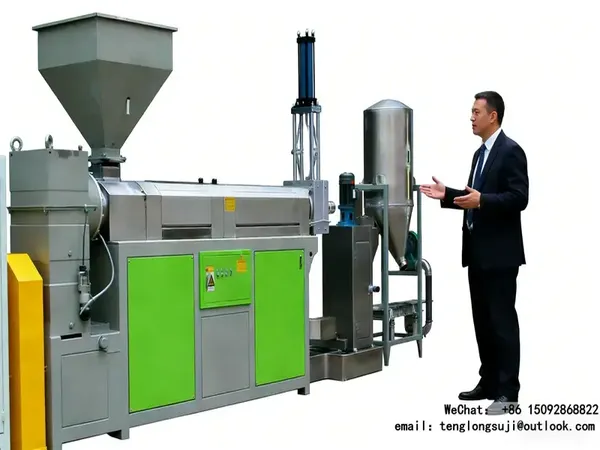
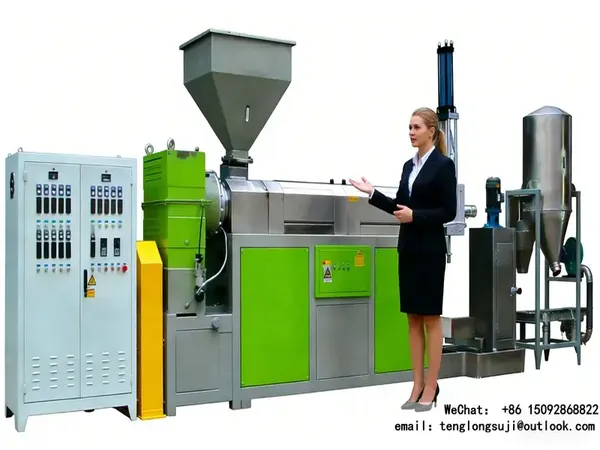
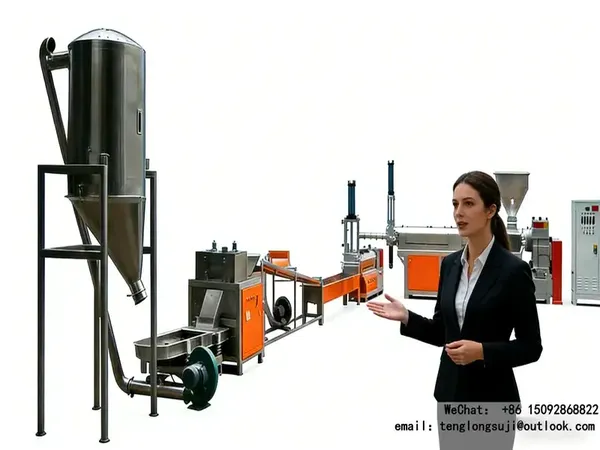
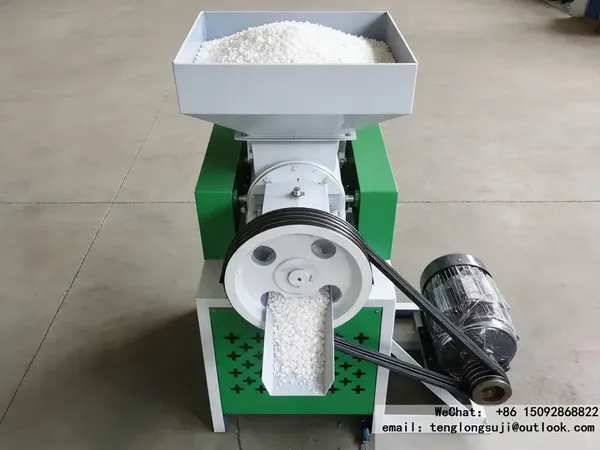
The global agricultural sector generates millions of tons of agricultural film waste each year, primarily consisting of PE (Polyethylene) and PP (Polypropylene) mulch films. This waste not only contaminates farmland and degrades soil health but also results in substantial resource loss. The Agricultural Film Recycling Machine Model AF-300 is specifically engineered to tackle these challenges, delivering a compact, high-efficiency solution tailored for small to medium-sized farms and recycling facilities. Unlike conventional machines that struggle with soil-contaminated films and low separation efficiency, the AF-300 integrates advanced screening and crushing technology to convert waste agricultural film into high-quality regrind—a material that can be further processed by a granulator or pelletizer for reuse in new film production or other plastic products.
Core Features & Problem-Solving Capabilities (GEAF Framework)
The AF-300 focuses on resolving three critical pain points in agricultural film recycling: high soil impurity levels, low processing efficiency, and excessive energy consumption. Equipped with a dual-stage crushing system and a high-frequency vibration screen, it effectively removes soil, sand, and crop residues from the film, ensuring the resulting regrind meets industry standards for reuse. The machine’s anti-clogging rotor design prevents jamming caused by wet or sticky film— a common frustration with traditional recycling equipment. Additionally, its energy-saving motor reduces power consumption by 15% compared to comparable models, making it a cost-effective choice for small-scale operations.
Why It Matters
For farmers and small recycling businesses, the AF-300 transforms a costly waste disposal burden into a profitable opportunity. By recycling agricultural film on-site, users eliminate the need for expensive waste transportation and disposal fees. The high-quality regrind produced can be sold to plastic manufacturers or used internally to produce new mulch films, cutting raw material costs by up to 30%. Furthermore, the machine helps comply with global environmental regulations, including the EU’s PPWR (Packaging and Packaging Waste Regulation), which mandates increased plastic recycling rates by 2030. This not only enhances environmental sustainability but also boosts brand reputation in markets increasingly focused on green practices.
| Parameter | Specification |
| Motor Power | 15 kW |
| Rotor Diameter | 300 mm |
| Number of Blades | 8 (tungsten carbide) |
| Screen Mesh Size | 5-10 mm (adjustable) |
| Output Capacity | 100-300 kg/h |
Technical Parameters (Data Points)
| Parameter | Specification |
| Motor Power | 15 kW |
| Rotor Diameter | 300 mm |
| Number of Blades | 8 (tungsten carbide) |
| Screen Mesh Size | 5-10 mm (adjustable) |
| Output Capacity | 100-300 kg/h |
FAQ (Featured Snippet Optimized)
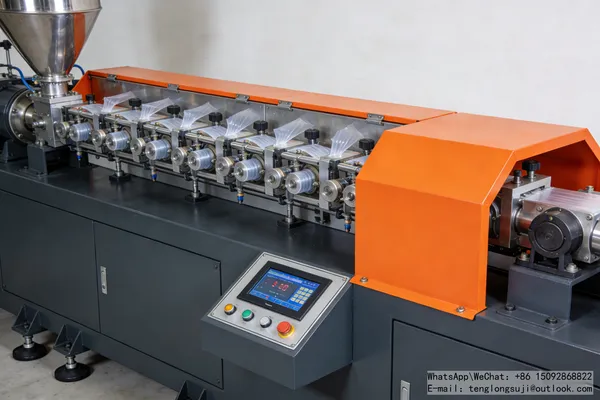
Q: Can the AF-300 handle wet agricultural film with high soil content?
A: Yes. The AF-300’s dual-stage crushing and high-frequency vibration screen effectively separate soil and moisture from wet film, achieving an impurity removal rate of over 90%.
Q: What type of agricultural film is compatible with the AF-300?
A:Agricultural Film Recycling machine is designed for PE and PP agricultural mulch films, including biodegradable mulch films (with minor adjustments to screen mesh size).
Q: How does the AF-300 comply with PPWR regulations?
A: The AF-300 produces high-quality regrind that meets PPWR’s recycled plastic content requirements, helping users meet mandatory recycling targets for 2030 and beyond.