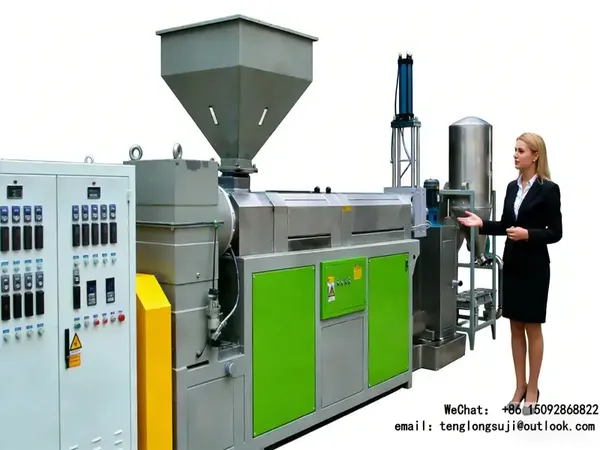
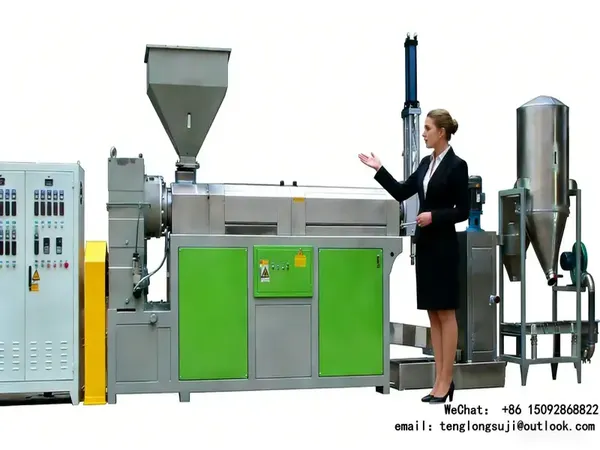
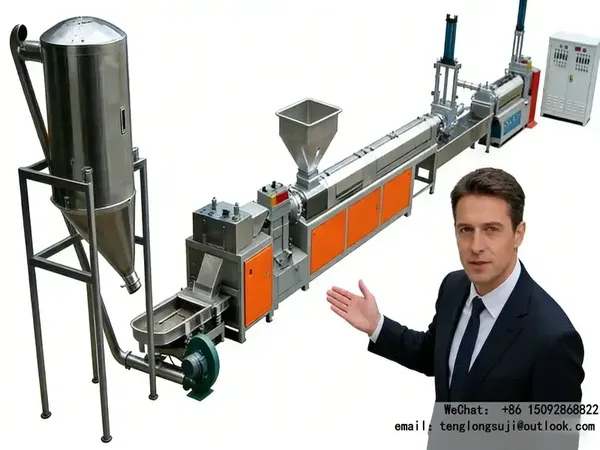
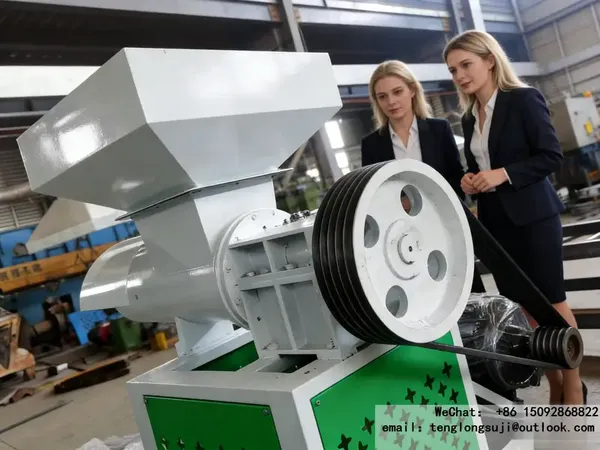
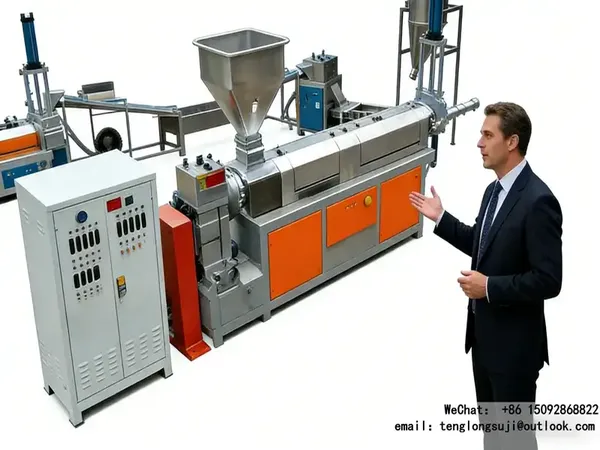
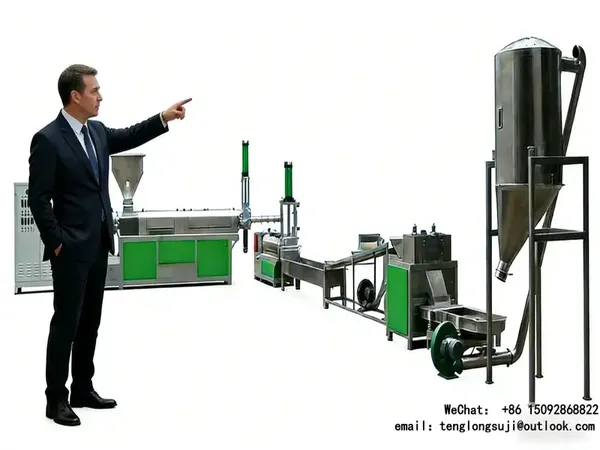
4/2026 Trends in PP Recycling Machine: Smart Technology and Energy Efficiency Take Center Stage
The world is serious about the circular economy now. Add tighter plastic waste rules on top, and you get a huge jump in demand for high-performance PP Recycling Machine equipment in 2026. Industries everywhere are under pressure to be more sustainable, and PP (polypropylene) recycling has become a key part of the solution. The right machinery helps cut plastic pollution—and actually makes economic sense over time.
Let’s walk through what’s changing this year: smarter controls, real energy savings, and how new regulations are pushing the whole market forward.
How Smart PP Recycling Machines Actually Improve Your Day-to-Day Operations
By 2026, IoT and AI aren’t just buzzwords—they’re built into most PP Recycling Machine models. The difference from old-style machines is night and day. Older units needed someone constantly watching dials and adjusting settings. Smart machines handle most of that themselves.
Modern PP Recycling Machine units come with real-time sensors, automatic fault detection, and remote control. You can check throughput, energy use, and pellet quality from a screen. Some leading brands now include built-in analytics platforms that track KPIs and help you spot problems before they cause downtime. Operators say that cuts unplanned stops by up to 30%.
Another big improvement: adaptive control systems. The machine adjusts screw speed, temperature, and feed rate based on the quality of incoming PP waste. That means more consistent pellets and 15–20% less material waste compared to conventional machines. For a small or medium-sized recycler, that’s lower costs and better margins. A smart PP Recycling Machine is a real investment in 2026, not just an expense.
Energy-Saving Innovations That Lower Your Electric Bill and Carbon Footprint
Energy efficiency is a huge deal this year. Power prices keep climbing, and carbon reduction targets aren’t going away. So manufacturers have focused hard on making PP Recycling Machine models that use less juice.
The latest machines come with heat recovery units (HRUs). These capture waste heat from the extrusion and pelletizing process and put it back to work. Energy savings: at least 15% compared to traditional machines. Some high-end models hit 25% savings by using optimized screw designs and energy-efficient motors.
Also, many PP Recycling Machine makers are now building with lightweight, high-strength materials. That lowers the machine’s own carbon footprint and makes shipping and installation easier.
Let’s put numbers on it. A medium-sized smart PP Recycling Machine with an HRU uses about 8–10 kWh per hour. Older models? 12–15 kWh. For a facility running 8 hours a day, 5 days a week, that adds up to over $5,000 in annual energy savings. Real money.
Policy Impact: EU SUP Directive and GRS Certification Are Driving Demand
Regulations are forcing the market to move faster. The EU Single-Use Plastics (SUP) Directive got updated in 2026, and it’s no joke. It now requires 50% of PP plastic packaging to be recycled by 2025, and 70% by 2030. Packaging manufacturers and recyclers have no choice but to invest in better PP Recycling Machine equipment to stay compliant.
On top of that, GRS (Global Recycled Standard) and ISCC certification are now essential if you want to export recycled PP products. Buyers won’t touch uncertified material. That means your PP Recycling Machine needs to produce high-purity pellets that meet those standards.
Manufacturers have responded by boosting decontamination efficiency. Today’s machines hit 99.5% purity or higher, using advanced washing systems, centrifugal separators, and optical sorters to remove paper, metal, PET, PE, and other junk from the PP waste stream.
FAQ – 2026 PP Recycling Machine Trends and Investments
Q: What’s the average ROI for a smart PP Recycling Machine in 2026?
A: Typically 18–24 months. It depends on machine size, running hours, and local waste plastic prices. Small machines (50–100 kg/h) can pay back in 12–18 months. Larger ones (500+ kg/h) usually take 20–24 months.
Q: How do I make sure my PP Recycling Machine meets GRS requirements?
A: You need three things: decontamination efficiency of at least 99%, consistent pellet MFI between 2–10 g/10min, and a traceability system that tracks where your PP waste came from. Many new PP Recycling Machine models come with built-in quality controls to help with GRS.
Q: Are energy-saving PP Recycling Machines more expensive upfront?
A: Yes, about 10–15% higher initial cost. But the lower energy bills and reduced operating costs pay that difference back within 12–18 months. After that, you’re just saving money.
Q: How fast is the PP Recycling Machine market growing in 2026?
A: According to 2026 market data, global growth is running at a CAGR of 8.2% this year. Stricter environmental rules, plus rising demand for recycled PP in packaging, automotive, and construction, are driving it.
If you’re thinking about upgrading your PP Recycling Machine or setting up a new line, tell us your situation. Throughput targets, power costs, certification needs—we can help you figure out what makes sense.