Woven Bag Shredder: Small Business Guide to Cost-Effective, Easy-to-Operate Shredding
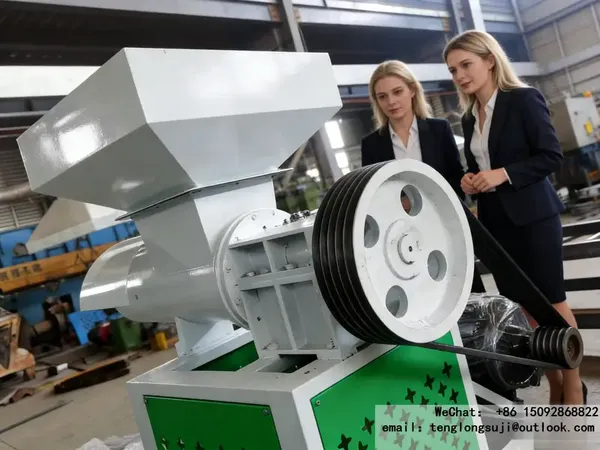
For small recycling business owners, a Woven Bag Shredder is the first—and most critical—step in converting waste woven bags into profitable recycled materials. Woven bags are bulky, difficult to handle, and often contaminated, making a reliable shredder essential for reducing volume, improving processing efficiency, and minimizing labor costs. However, with so many models available, small operators often struggle to find aWoven Bag Shredder that balances upfront cost, ease of use, and long-term reliability. With the global plastic recycling market growing steadily, selecting the right shredder can mean the difference between a profitable operation and a costly mistake. This guide is tailored to small business needs, helping you navigate the options, focus on the features that matter most, and maximize your ROI with a Woven Bag Shredder that fits your budget and workflow.
Why Small Businesses Need a Specialized Woven Bag Shredder
Woven bags (PP/PE) have unique properties—they are lightweight, flexible, and prone to tangling—that make them difficult to process with generic shredders. A specialized Woven Bag Shredder is designed to handle these challenges, offering small businesses key benefits like:
- Reduced tangling (critical for minimizing downtime, which costs small businesses valuable revenue)
- Lower energy consumption (ideal for small businesses with limited budgets and high energy costs)
- Simplified operation (no advanced technical skills required, so your team can operate it with minimal training)
- Compact design (fits in small facilities, saving space and reducing overhead)
Using a generic shredder for woven bags can lead to frequent jams, increased maintenance costs, and reduced efficiency—costing small businesses time and money. A specialized Woven Bag Shredder eliminates these issues, ensuring a smooth, cost-effective shredding process that supports your profitability.
Key Features for Small Businesses: Cost, Ease of Use, and ROI
Small recycling businesses need a Woven Bag Shredder that delivers value without breaking the bank. Below are the most important features to consider, along with data-driven insights to help you make an informed decision that aligns with your business goals:
- Upfront Cost and Total Cost of Ownership (TCO)
The upfront cost of a small-scale Woven Bag Shredder ranges from $8,000 to $30,000, but TCO—including maintenance, energy, and labor costs—is more important for long-term profitability. Small businesses should prioritize TCO over just upfront cost to avoid hidden expenses. The table below compares three common small-scale models, highlighting TCO and ROI to help you choose the best fit:
| Shredder Model | Upfront Cost ($) | Monthly Energy Cost ($) | Annual Maintenance Cost ($) | Estimated ROI Period (Months) |
| Entry-Level Single-Shaft | 8,000 – 15,000 | 150 – 250 | 1,500 – 2,500 | 12 – 18 |
| Mid-Range Single-Shaft | 15,000 – 22,000 | 120 – 200 | 1,000 – 2,000 | 8 – 12 |
| High-Efficiency Dual-Shaft | 22,000 – 30,000 | 100 – 180 | 800 – 1,500 | 6 – 9 |
Mid-range models are often the best choice for small businesses, as they offer a balance of low TCO and fast ROI. For example, a mid-range Woven Bag Shredder processing 500 kg of woven bags daily can reduce labor costs by $1,000 per month (by eliminating manual cutting) and generate $400 per day in revenue from shredded material, leading to a full ROI in 10 months or less— a timeline that fits small business cash flow needs.
- Ease of Use: Minimizing Labor and Downtime
Small businesses often have limited staff, so a Woven Bag Shredder must be easy to operate and maintain. Key features to look for include:
- Intuitive control panel (no technical training required, so your team can get started quickly)
- Anti-tangling design (e.g., dual-shaft blades, automatic reverse function) to reduce jams and downtime
- Easy blade replacement (reduces maintenance time by 50%, so your machine is back up and running faster)
- Compact size (fits in 10-15 square meters of space, ideal for small workshops)
For small businesses with only 2-3 staff members, these features are non-negotiable. A small recycling business in Guangdong, for example, switched to a user-friendly Woven Bag Shredder with an intuitive control panel and anti-tangling design, cutting downtime from 2 hours per day to 30 minutes or less—freeing up staff to focus on other revenue-generating tasks like material collection and granule sales.
- Capacity Alignment: Matching Your Business Scale
Small businesses should choose a Woven Bag Shredder with a capacity that aligns with their daily material input—avoiding overcapacity (which wastes energy and money) or undercapacity (which causes bottlenecks and lost revenue). Most small-scale operations process 300-1,500 kg of woven bags daily, so a shredder with a capacity of 50-200 kg/hour is ideal. The table below helps you match your daily input to the right shredder capacity:
| Daily Woven Bag Input (kg) | Recommended Shredder Capacity (kg/hour) | Ideal Shredder Type |
| 300 – 600 | 50 – 100 | Entry-Level Single-Shaft |
| 600 – 1,000 | 100 – 150 | Mid-Range Single-Shaft |
| 1,000 – 1,500 | 150 – 200 | High-Efficiency Dual-Shaft |
Overcapacity is a common mistake for small businesses—for example, a business processing 500 kg daily that buys a 200 kg/hour shredder will waste 30-40% of its energy costs, as the machine will run at half capacity most days. Conversely, a business processing 1,000 kg daily with a 100 kg/hour shredder will face backlogs, leading to missed deadlines and lost sales.
Optimizing Your Woven Bag Shredder for Small Business Success
Even the best Woven Bag Shredder will underperform without proper optimization. For small businesses, simple, low-cost adjustments can boost efficiency, reduce maintenance costs, and extend the machine’s lifespan—directly improving your bottom line. Below are three actionable optimization tips tailored to small-scale operations:
- Pre-Clean Woven Bags to Reduce Wear: Before feeding woven bags into the shredder, remove large contaminants (e.g., rocks, metal, bulky debris) by hand or with a simple magnetic separator. This reduces wear on blades and screens, lowering maintenance costs by 15-20% and extending blade life by 30%. For small businesses, a $200 magnetic separator can save thousands in blade replacement costs annually.
- Operate at a Consistent Feed Rate: Avoid overloading the shredder (which causes jams) or underloading it (which wastes energy). For most small-scale shredders, a feed rate of 30-50 kg per hour (adjusted to your machine’s capacity) ensures optimal performance. A simple timer or manual feed control can help your team maintain consistency—no expensive automation required.
- Perform Regular, Simple Maintenance: Small businesses don’t need a dedicated maintenance team—just 10-15 minutes of daily maintenance can prevent costly breakdowns. Key tasks include: cleaning the shredder chamber to remove tangled material, checking blade tightness, and lubricating moving parts. Following the manufacturer’s maintenance schedule can extend the machine’s lifespan from 5-6 years to 8-10 years, maximizing your investment.
FAQ: Small Business Guide to Woven Bag Shredders
Q1: How long does it take to learn to operate a Woven Bag Shredder?
Most small-scale Woven Bag Shredder models are designed for ease of use—staff can learn basic operation in 1-2 hours, and become proficient within a day. Reputable manufacturers provide simple user manuals and on-site training (often free for small orders), ensuring your team can operate the machine safely and efficiently without advanced technical skills.
Q2: What is the average blade lifespan for a small-scale Woven Bag Shredder?
With proper pre-cleaning and maintenance, blades typically last 6-12 months for entry-level models and 12-18 months for mid-range/high-efficiency models. Blade replacement costs range from $300-$800, depending on the model—far less than the cost of downtime or replacing the entire machine. Many manufacturers offer blade sharpening services, which can extend blade life by an additional 50%.
Q3: Can a Woven Bag Shredder handle wet or contaminated woven bags?
Yes—most specialized Woven Bag Shredder models can handle slightly wet or contaminated bags (e.g., bags with dirt or minor moisture). However, extremely wet bags (e.g., soaked in water) can cause jams and increase wear, so it’s best to air-dry wet bags before shredding. For bags with heavy contamination (e.g., oil or chemicals), a pre-wash stage is recommended to protect the shredder and ensure the shredded material is marketable.
Q4: How much energy does a small-scale Woven Bag Shredder use?
Small-scale shredders typically use 5-15 kW of power, depending on capacity. For example, a 10 kW shredder operating 8 hours a day, 5 days a week, uses approximately 400 kWh per month—translating to $60-$120 in monthly energy costs (based on an average energy cost of $0.15-$0.30/kWh). This is significantly lower than generic shredders, which often use 20+ kW of power for the same capacity.
Conclusion
A specialized
is a foundational investment for small recycling businesses—one that reduces labor costs, improves efficiency, and sets the stage for profitable recycling operations. By focusing on total cost of ownership, ease of use, and capacity alignment, small operators can choose a shredder that fits their budget and workflow, avoiding common pitfalls like overcapacity or low-quality equipment. With simple optimization and regular maintenance, your Woven Bag Shredder will deliver consistent value, helping you capitalize on the growing demand for recycled woven bag materials and build a sustainable, profitable business.
Take Action Today
Ready to choose the perfect Woven Bag Shredder for your small business? Download our free 《Small-Scale Woven Bag Shredder Selection Checklist》 to evaluate models, compare costs, and ensure you make the right decision. For personalized advice, contact our team for a free consultation and custom quote—we’ll help you find a shredder that fits your daily capacity, budget, and operational needs.