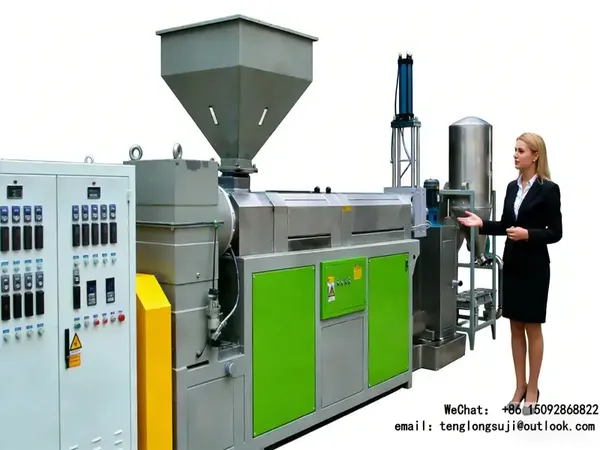
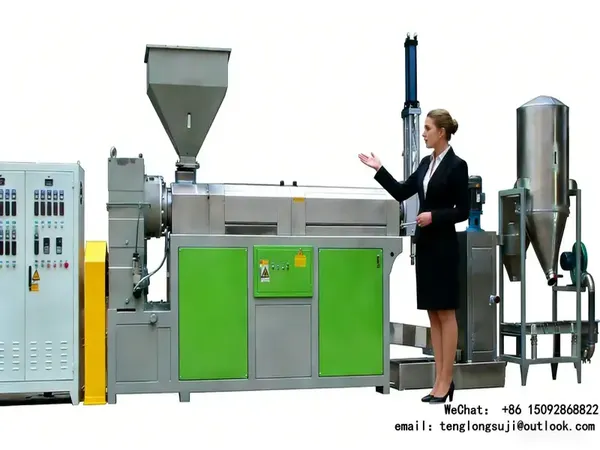
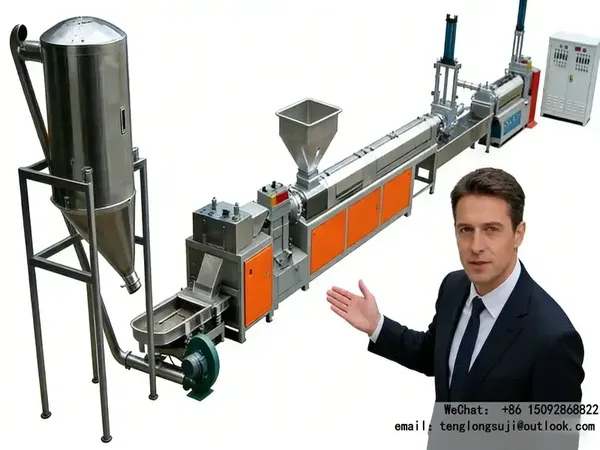
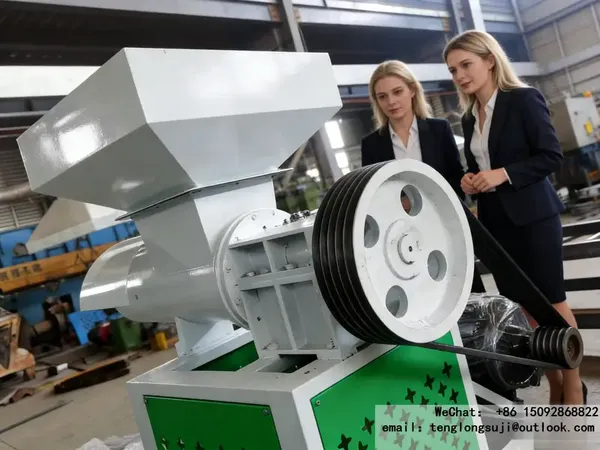
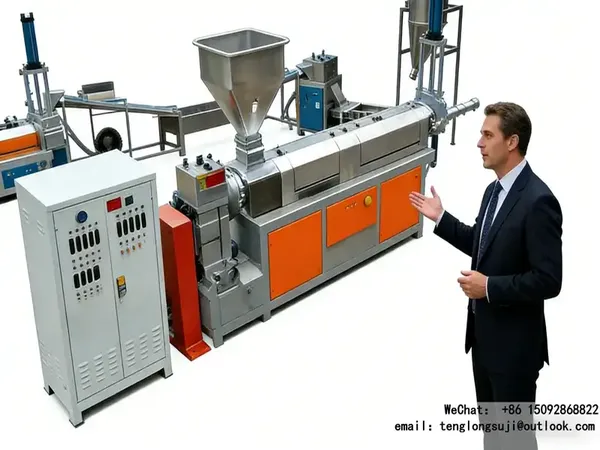
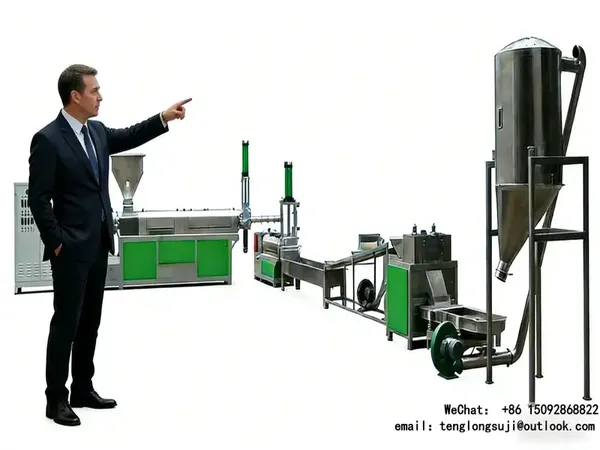
Woven Bag Recycling Machine: A Small Business Guide to ROI and Cost Optimization
For small recycling business owners, every investment must deliver measurable returns—and a Woven Bag Recycling Machine is no exception. Woven plastic bags (primarily PP and PE) are one of the most abundant waste streams globally, yet many small operators struggle to turn this waste into profit due to inefficient equipment, high operational costs, or poor ROI planning. With the global household plastic recycling market projected to grow at a CAGR of 6.0% from 2026 to 2032, the opportunity for small businesses to capitalize on woven bag recycling has never been greater. This guide is tailored specifically for small-scale operations, breaking down how to select, operate, and optimize a Woven Bag Recycling Machine to maximize profitability, minimize costs, and achieve a fast ROI.
Key Considerations for Small Businesses: Cost, Ease of Use, and ROI
Small recycling enterprises operate with tighter budgets and fewer resources than large facilities, so a Woven Bag Recycling Machine must balance three critical factors: upfront cost, operational simplicity, and rapid return on investment. Below is a detailed breakdown of each factor, with data-driven insights to guide your decision-making.
- Upfront Cost vs. Long-Term Value
The initial investment for a small-scale Woven Bag Recycling Machine ranges from $20,000 to $80,000, depending on capacity and automation level. Many small business owners make the mistake of choosing the cheapest option, which often leads to higher maintenance costs and lower efficiency over time. The table below compares three common small-scale models, highlighting the trade-off between upfront cost and long-term value—critical for small businesses looking to maximize every dollar:
| Machine Model | Upfront Cost ($) | Daily Capacity (kg) | Annual Maintenance Cost ($) | Estimated ROI Period (Months) |
| Entry-Level Semi-Automatic | 20,000 – 35,000 | 500 – 1,000 | 3,000 – 5,000 | 18 – 24 |
| Mid-Range Semi-Automatic | 35,000 – 55,000 | 1,000 – 2,000 | 2,500 – 4,000 | 12 – 18 |
| High-Efficiency Semi-Automatic | 55,000 – 80,000 | 2,000 – 3,000 | 2,000 – 3,500 | 8 – 12 |
As shown, mid-range models often offer the best balance for small businesses—they reduce maintenance costs by 20-30% compared to entry-level machines and cut ROI time by 33% or more. For example, a mid-range Woven Bag Recycling Machine processing 1,500 kg of woven bags daily can generate approximately $1,200 in monthly revenue (based on $0.80/kg for recycled PP granules), leading to a full ROI in 15 months or less— a timeline that aligns with small business cash flow goals.
- Ease of Use: Minimizing Labor Costs
Labor is one of the largest operational expenses for small recycling businesses, so a Woven Bag Recycling Machine must be easy to operate with minimal training. Key features to prioritize include:
- User-friendly PLC control panels with intuitive interfaces (no advanced technical skills required, so your team can get up to speed quickly)
- Automatic feeding and sorting capabilities to reduce manual labor (saves 1-2 labor hours per day, directly cutting payroll costs)
- Low maintenance design (e.g., easily replaceable blades, self-cleaning screens) to minimize downtime and avoid costly repairs
A machine with these features can reduce labor costs by $1,500-$2,500 per month—critical for small businesses operating on thin margins. For instance, a small recycling facility in Jiangsu-Zhejiang region reported a 25% reduction in labor costs after upgrading to a user-friendly Woven Bag Recycling Machine, cutting their ROI period by 4 months.
- Compliance with International Standards: Unlocking New Markets
To maximize revenue, small businesses must produce recycled granules that meet global standards like GRS (Global Recycled Standard) and comply with regulations such as the EU’s Packaging and Packaging Waste Regulation (PPWR). GRS certification requires a minimum of 20% recycled content and a traceable supply chain—capabilities that a quality Woven Bag Recycling Machine can help you achieve by producing consistent, high-quality granules. Compliance with these standards allows you to sell your recycled materials to larger manufacturers, who often pay 10-15% more for certified products—opening up new, more profitable markets.
Optimizing Your Woven Bag Recycling Machine for Maximum Profit
Even the best Woven Bag Recycling Machine will underperform without proper optimization. Below are three expert, actionable tips to boost efficiency, reduce costs, and accelerate your ROI:
- Preprocess Woven Bags Efficiently: Remove contaminants (e.g., dirt, labels, metal) before feeding them into the machine. This reduces wear on blades and screens, lowers maintenance costs by 15-20%, and improves granule quality—making your product more marketable.
- Optimize Energy Consumption: Use variable-frequency drives (VFDs) to adjust motor speed based on material volume. This can reduce energy consumption by 10-15%—equating to $500-$800 in monthly savings for a mid-range machine, directly boosting your bottom line.
- Maintain a Consistent Feed Rate: Avoid overloading or underloading the machine, as both reduce efficiency. A consistent feed rate (e.g., 50-70 kg/hour for small machines) ensures optimal performance, reduces downtime, and maximizes daily output.
FAQ: Small Business Guide to Woven Bag Recycling Machines
Q1: How much space do I need for a small-scale Woven Bag Recycling Machine?
Most small-scale machines require 15-25 square meters of space, including room for material storage and granule collection. Compact models are available for facilities with limited space—perfect for small workshops or community recycling points.
Q2: Do I need specialized training to operate a Woven Bag Recycling Machine?
No—reputable manufacturers provide 1-2 days of on-site training, and user-friendly PLC controls make operation simple. Most employees can become proficient within a week, minimizing training time and costs.
Q3: What is the average lifespan of a small-scale Woven Bag Recycling Machine?
With proper maintenance, a quality machine will last 8-10 years. Mid-range and high-efficiency models often have longer lifespans due to durable components (e.g., high-wear alloy steel blades), ensuring long-term value for your investment.
Q4: Can I process mixed woven bags (PP and PE) with the same machine?
Yes—most modern Woven Bag Recycling Machine models can process both PP and PE woven bags, but you will need to separate the granules after processing to maintain quality and meet market demands. This flexibility allows you to handle a wider range of waste materials.
Conclusion
A Woven Bag Recycling Machine is a viable and profitable investment for small recycling businesses—provided you select the right model, optimize its operation, and comply with global standards. By focusing on cost balance, ease of use, and ROI, small operators can capitalize on the growing demand for recycled plastic materials and build a sustainable, profitable business. The key is to avoid cutting corners on quality; a well-chosen machine will reduce long-term costs and deliver consistent returns for years to come.
Take Action Today
Ready to start your woven bag recycling journey? Download our free 《Small-Scale Woven Bag Recycling Machine Selection Guide》 to compare models, calculate your projected ROI, and make an informed decision. For personalized advice, contact our team for a free on-site process evaluation and custom quote—we’ll help you select the perfect machine for your business needs.