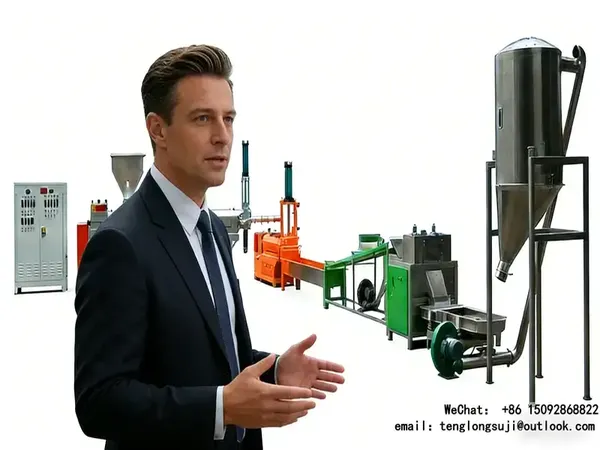
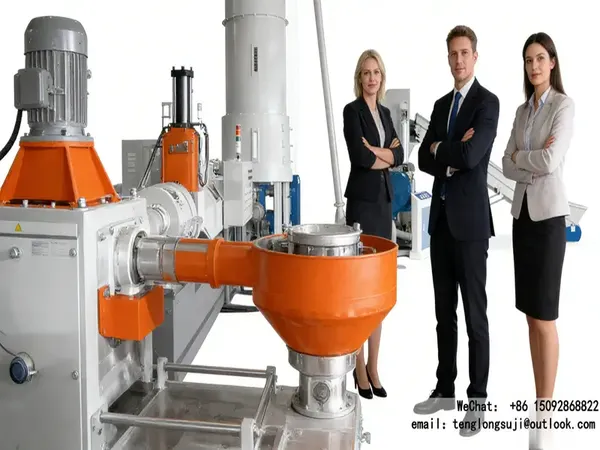
Sri Lanka Trincomalee, Port & Fishing Waste, Full-Automatic Plastic Recycling Machine Success Case
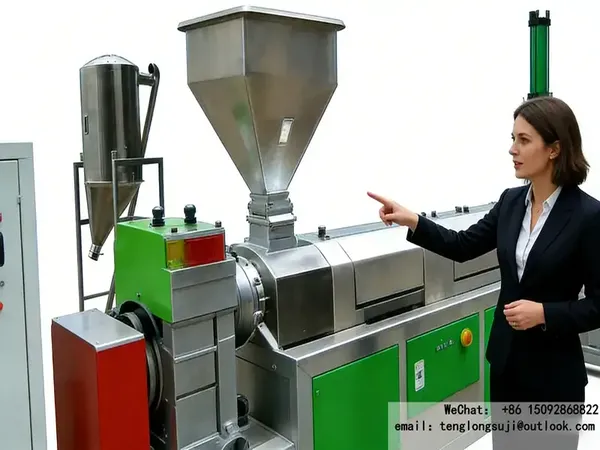
Background: Ms. Tharanga Dissanayake, a 37-year-old with a bachelor’s degree in marine science, launched her plastic recycling business in 2023 in Trincomalee Port—Sri Lanka’s second-largest port and a key fishing hub. She invested 95 lakh LKR to establish a 2,000-square-meter large-scale recycling factory, employing 30 workers. Trincomalee generates over 10 tons of plastic waste daily from the port (containers, packaging) and fishing industry (nets, buoys), much of which pollutes the coastal area. Ms. Tharanga aimed to scale up recycling efforts to align with Sri Lanka’s 2025 plastic waste recycling target and tap into high demand from local plastic product manufacturers. She invested in a full-automatic Plastic Recycling Machine to handle the mixed port and fishing waste efficiently. A full-automatic plastic equipment was essential to process the large volume of mixed waste and reduce labor costs.
The Challenge
Ms. Tharanga faced three key challenges. First, the waste is highly mixed (port plastic containers, fishing nets, foam), requiring extensive manual sorting that accounted for 47% of her labor costs; the sorting accuracy was only 72%, leading to poor particle quality. Second, traditional manual processing had a daily capacity of only 5 tons, which was unable to keep up with her 12-ton daily raw material collection, resulting in backlogs and lost revenue. Third, port plastic containers have high saltwater content, while fishing nets are tough and difficult to plasticize—traditional Plastic Recycling Machine models struggled to handle both, resulting in a qualification rate of 64%. Additionally, she needed a plastic equipment that could comply with Sri Lanka’s environmental standards for wastewater and waste gas emissions to avoid penalties.
The Solution
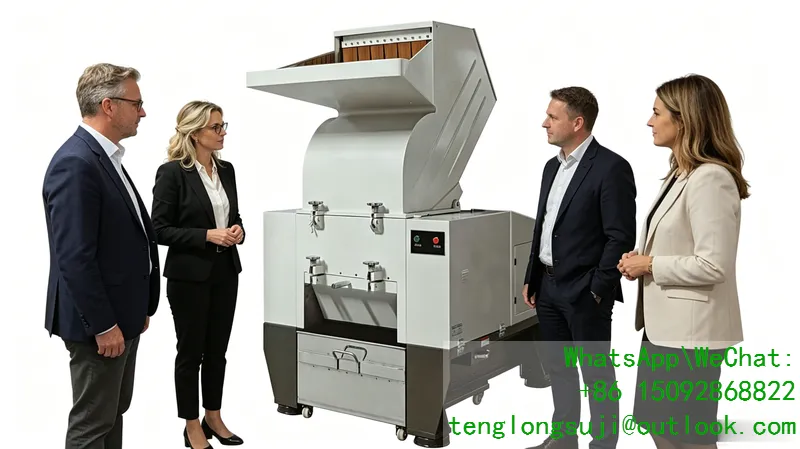
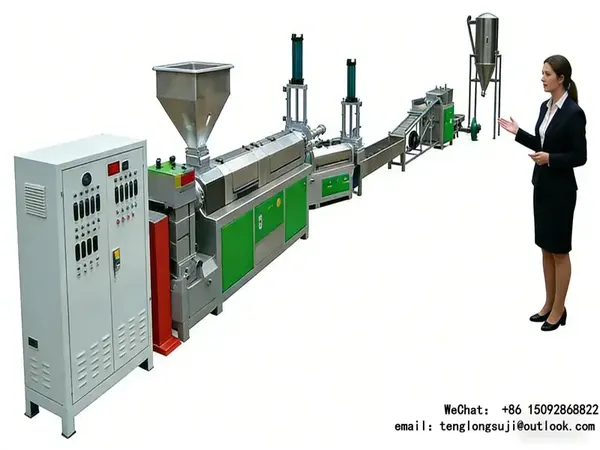
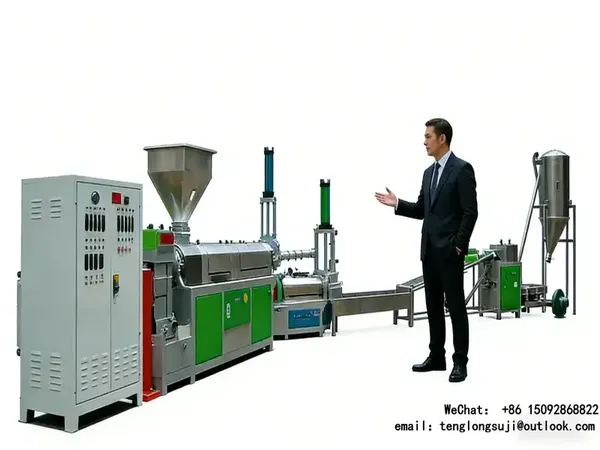
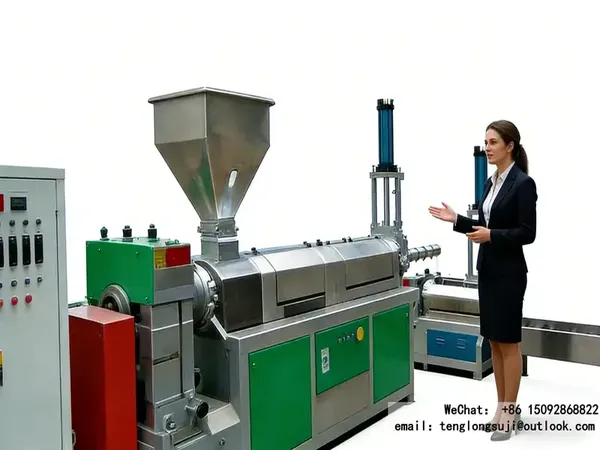
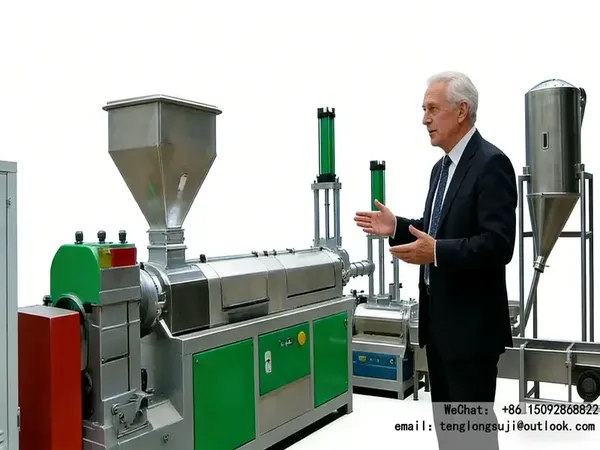
We provided Ms. Tharanga with a TL-1250 full-automatic plastic equipment , customized for Trincomalee’s mixed port and fishing waste and local environmental standards—popular among Sri Lanka’s large-scale recycling projects. The specific configuration of this plastic equipment includes:
- Intelligent automatic sorting system with optical sensors and metal detectors, which separates port plastic, fishing nets, and foam, removes impurities—reducing manual sorting by 89% and boosting accuracy to 99% with the Plastic Recycling Machine.
- High-power 85KW motor and large-scale screw (L/D Ratio 1:37), enabling a daily processing capacity of 14 tons to meet large-scale recycling needs with the plastic equipment .
- Multi-stage cleaning and drying system, removing saltwater and moisture from port plastic, and a high-temperature plasticization system (up to 285℃) for tough fishing nets with the plastic equipment .
- Integrated waste gas and wastewater treatment systems, ensuring VOC emissions < 35 mg/m³ and BOD < 25 mg/L—fully complying with Sri Lanka’s environmental standards for the Plastic Recycling Machine.
- Free technical training for 15 workers, 1 year of free maintenance, and on-site troubleshooting within 24 hours in Trincomalee to minimize downtime for theplastic equipment .
The Results
After 6 months of operation, the Plastic Recycling Machine delivered impressive results. The daily processing capacity of the plastic equipment increased from 5 tons to 14 tons—a 180% improvement—allowing Ms. Tharanga to process all collected waste and accept additional orders. Labor costs dropped by 47%, saving her 1.04 lakh LKR per month with the plastic equipment . The qualification rate rose to 97%, with particles suitable for high-grade products like plastic containers and fishing nets, increasing the selling price by 40% (from 45 LKR/kg to 63 LKR/kg). The plastic equipment passed environmental inspections, eliminating penalty risks and qualifying her for a monthly 30,000 LKR environmental subsidy. Ms. Tharanga signed long-term supply contracts with 3 local industrial and fishing companies, increasing her monthly income by 130% (from 2 lakh LKR to 4.6 lakh LKR). “This Plastic Recycling Machine is full-automatic and high-capacity—it handles mixed waste effortlessly and produces high-quality particles, exceeding my expectations,” Ms. Tharanga said. Her factory was awarded the “Best Plastic Recycling Unit” by the Sri Lanka Marine Pollution Control Board.
FAQ
Q1: Can this plastic equipment process both port and fishing plastic waste? A1: Yes, the intelligent sorting system of the plastic equipment handles mixed port and fishing waste effectively, separating different materials with 99% accuracy—this full-automatic Plastic Recycling Machine is ideal for mixed waste processing.
Q2: What is the daily processing capacity of the equipment? A2: The high-capacity design of this plastic equipment enables a daily processing capacity of 14 tons, meeting large-scale recycling needs in Trincomalee.
If you’re in port and fishing waste plastic recycling in Trincomalee, what capacity equipment do you need to meet your business needs? Share your thoughts below!