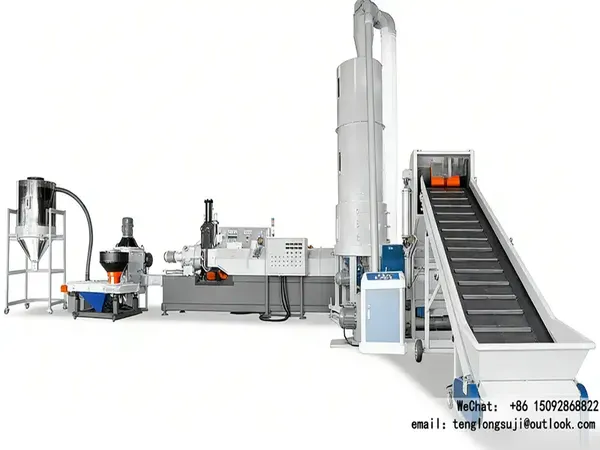
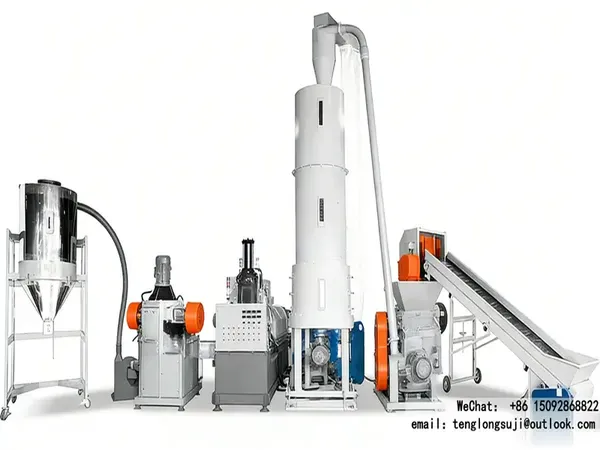
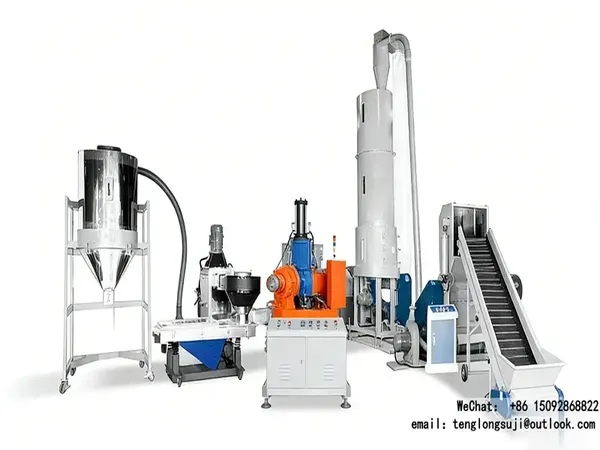
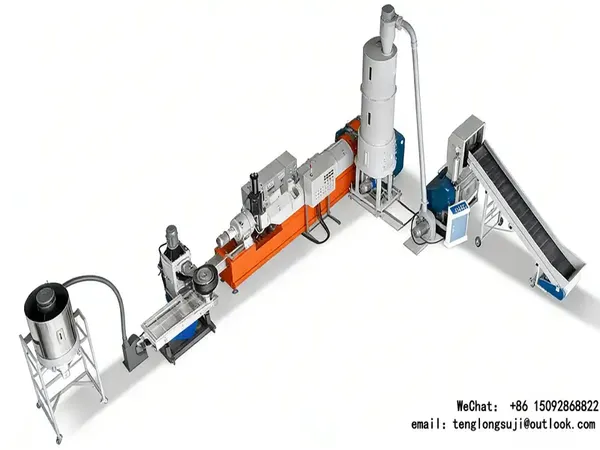
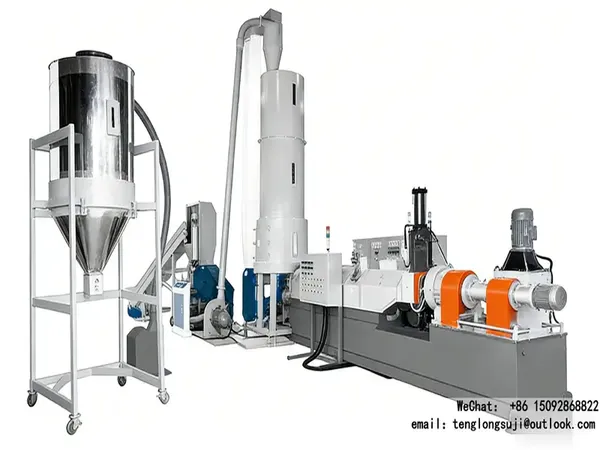
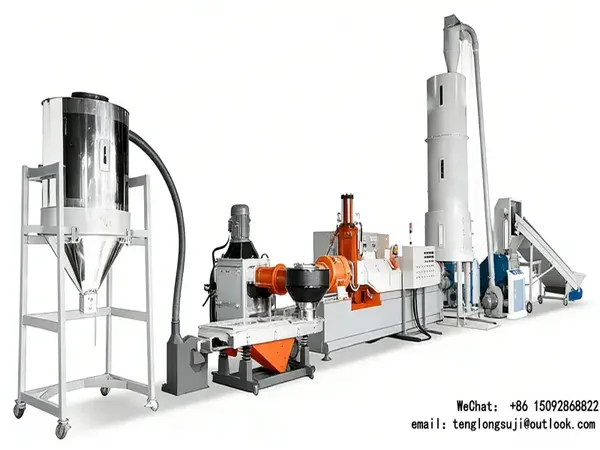
Laos Savannakhet, PP/PE Packaging Waste Energy-Saving plastic pelletizing machine Successful Case
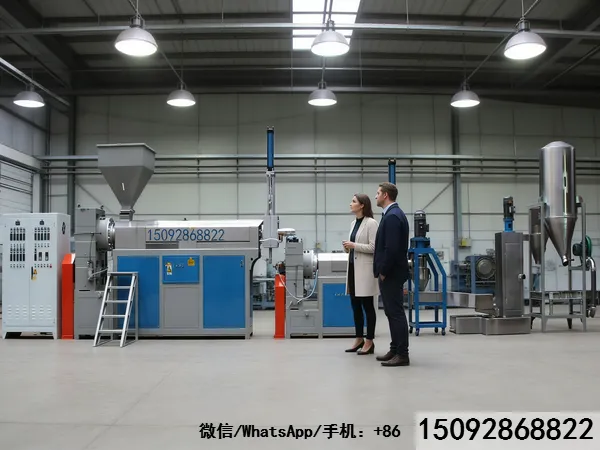
Background: Ms. Dalavanh, a 34-year-old vocational school graduate, runs a small recycling workshop in Savannakhet’s Thakhek District with 3 employees. As Laos’ second-largest city and a major border trade hub, Savannakhet generates 600 tons of PP/PE packaging waste monthly from port warehouses, border markets, and local factories. Ms. Dalavanh started her business in 2018 after losing her factory job, using a second-hand plastic pelletizing machine . However, high energy consumption (amid Laos’ 2026 electricity price hike to 750 LAK/kWh) and low efficiency made profitability difficult, putting her business at risk of closure. She urgently needed an energy-saving plastic equipment that could reduce her operational costs while improving efficiency.
The Challenge
Ms. Dalavanh’s workshop faced three key obstacles to profitability. First, her old small-scale plastic pelletizing machine consumed 78 kWh/ton—far above the 60 kWh industry average—inflating her monthly electricity costs by 12,600,000 LAK. Second, its single vacuum exhaust system failed to remove volatile gases from printed PP/PE packaging, leaving 15% of granules with black spots, which forced her to sell at 2,200 LAK/kg. Third, manual feeding struggled with lightweight PP/PE packaging, causing frequent equipment jams and a low output of just 140 kg/h from the old plastic pelletizing machine . Unlike other suppliers, we offered a cost-effective, energy-saving plastic equipment tailored to her small workshop’s budget and Savannakhet’s border trade waste characteristics.
The Solution
We customized a TL-100 plastic pelletizing machine for Ms. Dalavanh’s workshop, optimized for Savannakhet’s PP/PE waste and her budget constraints. This energy-saving plastic equipment was designed to cut costs and improve efficiency, with key features including:
- An energy-saving motor with frequency conversion technology, reducing the plastic pelletizing machine ’s unit energy consumption to 55 kWh/ton (a 29.5% reduction), saving 14,700,000 LAK monthly on electricity costs.
- A dual-position vacuum exhaust system, effectively removing volatile gases from printed packaging and eliminating black spots—significantly improving product quality from the plastic equipment
. - An adjustable-speed automatic feeding system, solving the problem of lightweight packaging jams and ensuring stable, consistent feeding for the plastic equipment
. - A compact design (6.5 square meters), ideal for small workshops in Savannakhet’s urban areas with limited space for the plastic pelletizing machine .
- A cost-effective price—35% cheaper than imported models—with a 1-year warranty, 6 months of free spare parts, and local after-sales support for the plastic equipment
- Our team provided on-site installation, trained Ms. Dalavanh and her employees on operating the plastic recycling equipment , and shared energy-saving tips to maximize her workshop’s profitability with the plastic equipment
.
The Results
After 2 months of operation, the TL-100 plastic pelletizing machine transformed her workshop: 1. Energy consumption fell by 29.5%, saving 23 kWh/ton and 14,700,000 LAK monthly with the plastic recycling equipment . 2. Feeding efficiency improved by 71.4%, increasing the pelletizing machine ’s output from 140 kg/h to 240 kg/h—nearly doubling daily production. 3. 99% of granules from the plastic equipment were black spot-free, allowing Ms. Dalavanh to sell at 3,600 LAK/kg, increasing her monthly profit by 86,400,000 LAK. 4. Maintenance costs for the plastic equipment fell by 42% compared to her old machine. “This plastic pelletizing machine is energy-saving, affordable, and efficient—it’s a lifesaver for my small workshop, letting me support my family,” said Ms. Dalavanh.
FAQ
Q1: Is this plastic equipment suitable for small workshops in Savannakhet? A1: Yes, the machine ’s compact design and low energy consumption are ideal for operations with 3-4 employees. Q2: Can it process printed PP/PE packaging without leaving black spots? A2: Yes, the pelletizing machine ’s dual vacuum exhaust system removes volatile gases, ensuring 99% spot-free granules. Q3: How much electricity does it save monthly? A3: The plastic pelletizing saves approximately 14,700,000 LAK monthly for workshops processing 3.5 tons of plastic waste.
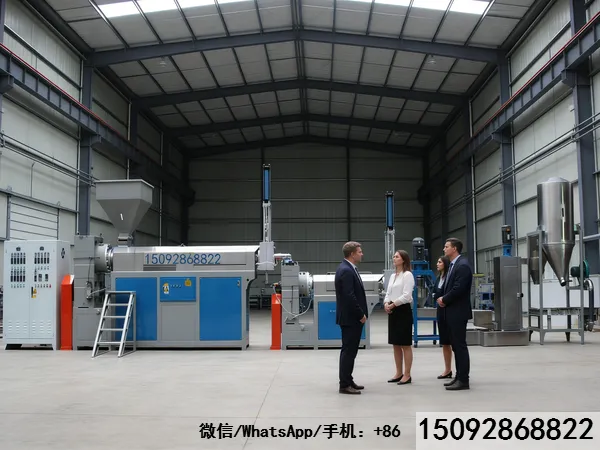
If you have a small Savannakhet workshop struggling with high energy costs, share your needs in the comments for a tailored plastic pelletizing machine solution!