4/2026 Technological Breakthroughs: IntelligentPE Recycling Machine Trends
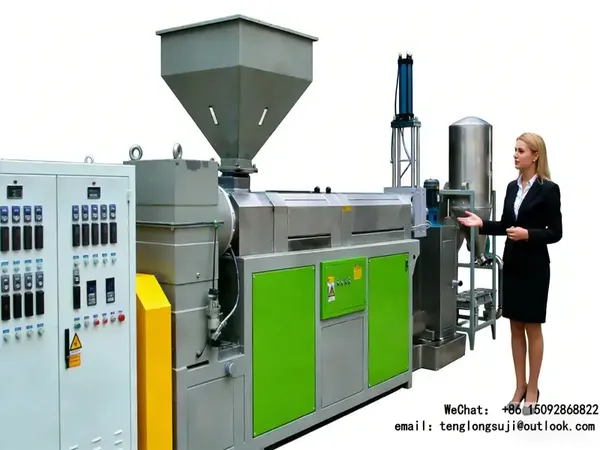
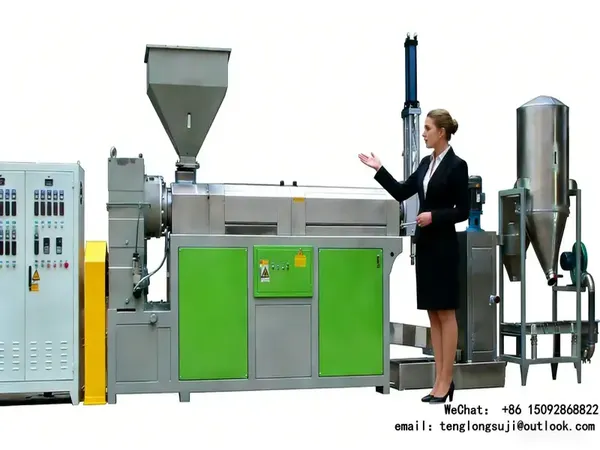
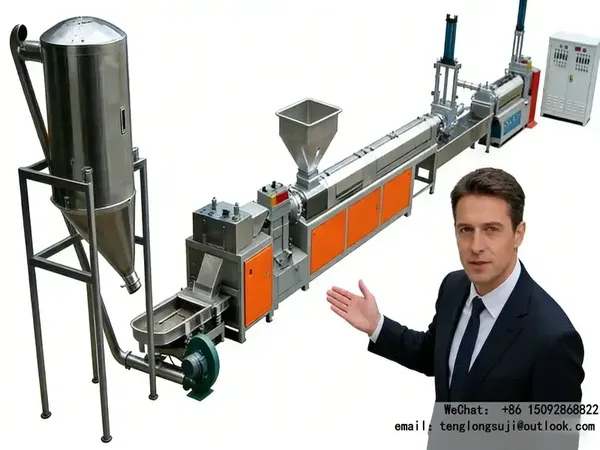
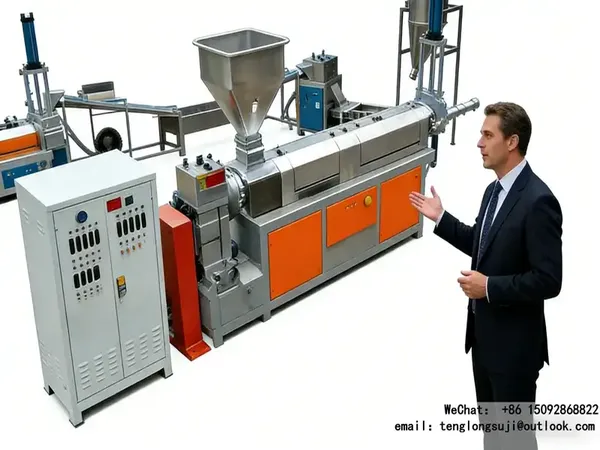
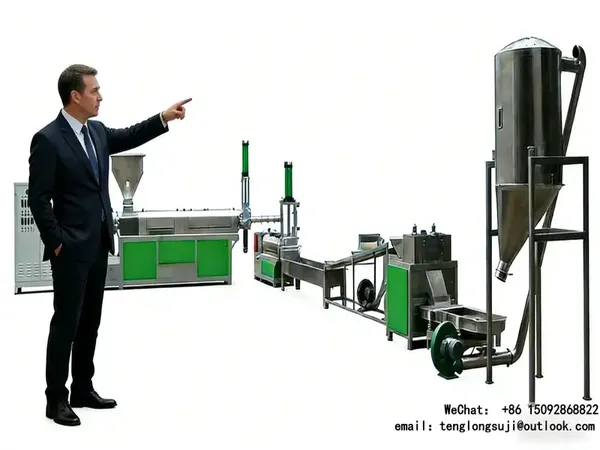
The PE recycling industry is undergoing a digital transformation in 2026, with intelligent technology revolutionizing PE Recycling Machine and PE granulator performance. The latest intelligent models integrate AI, IoT, and digital twin technology, solving long-standing industry pain points—low automation, unstable pellet quality, and high energy consumption. This article explores the 2026 technological breakthroughs in intelligent PE Recycling Machine, their practical applications, and how they are reshaping the industry.
Core Technological Breakthroughs of Intelligent PE Recycling Machine in 2026
Leading manufacturers have launched intelligent PE Recycling Machine models with three game-changing technological breakthroughs in 2026. These innovations not only boost efficiency but also ensure consistent, high-quality recycled PE pellets—critical for meeting global certification standards and market demand.
- AI-Powered Sorting & Quality Control for PE granulator Systems
TraditionalPE Recycling Machine relies on manual sorting to remove impurities (metal, glass, other plastics), a process that is inefficient and prone to error. 2026 intelligent models integrate AI visual recognition systems and high-speed sensors, which automatically identify and separate PE waste from mixed materials with 99.9% accuracy. During extrusion, the AI system real-time monitors the melt flow index (MFI) and IV retention rate of pellets, adjusting temperature and screw speed to ensure consistency—reducing pellet rejection rates by 80%.
A Dutch recycling enterprise adopted an AI-equipped PE Recycling Machine, cutting manual sorting labor by 75% and increasing pellet purity from 95% to 99.8%. The AI system also optimized the PE granulator’s pellet size (3 mm standard), improving market acceptance of recycled PE pellets.
- IoT-Enabled Remote Monitoring & Predictive Maintenance
IoT technology has become a standard feature in 2026 PE Recycling Machine, enabling remote monitoring and predictive maintenance. Multiple sensors collect real-time data (temperature, pressure, component wear, energy consumption) and transmit it to a cloud platform. Operators can monitor machine performance via mobile app or computer, while the cloud system uses big data to predict potential faults (e.g., bearing wear, screen blockage) and send early warnings—reducing downtime by 45%.
For SMEs, this technology is a game-changer: an Italian SME using an IoT-enabled PE Recycling Machine reduced maintenance costs by 32% and increased production uptime to 92%, compared to 70% with traditional models.
- Digital Twin Integration for Full Lifecycle Management
The most cutting-edge breakthrough in 2026 is the integration of digital twin technology into PE Recycling Machine. A digital twin is a virtual replica of the physical machine, simulating the entire recycling process (feeding, crushing, cleaning, extrusion, pelletizing) in real time. Operators can use the digital twin to optimize processing parameters, test different waste types, and simulate upgrades—all without disrupting production.
Large-scale recycling plants are already leveraging this technology: a Spanish facility with 12 intelligent PE Recycling Machine units uses digital twins to centralize management, boosting overall efficiency by 30% and reducing energy consumption by 22% compared to 2025.
Practical Applications of Intelligent PE Recycling Machine in 2026
- Large-Scale Industrial Plants: Intelligent PE Recycling Machinewith AI and digital twin technology process tens of tons of PE waste daily. A German industrial plant equipped 15 intelligent units, achieving fully automated production—processing efficiency increased by 35%, and high-quality pellet output rose by 42%.
- SMEs: Cost-effective intelligent models with IoT remote monitoring are popular among SMEs. These models have lower upfront costs than high-end digital twin models but still reduce maintenance costs and improve pellet quality. A Chinese SME using an IoT-enabled PE Recycling Machineensured 100% of its pellets met GRS standards, increasing exports by 28%.
- Specialized Recycling: Intelligent PE Recycling Machineare used in food-grade and medical PE waste recycling. The AI quality control system ensures pellets are free of harmful residues, meeting strict industry standards. A UK medical waste recycler uses an intelligent PE granulator to process medical PE containers, producing food-grade pellets used in packaging.
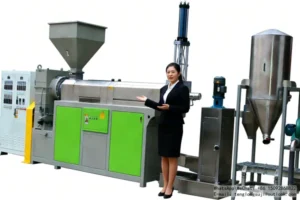
PE Recycling Machine
Industry Impact of Intelligent PE Recycling Machine in 2026
Intelligent PE Recycling Machine is transforming the industry in three key ways: first, it promotes standardization by ensuring consistent pellet quality, solving the long-standing problem of uneven quality in recycled PE. Second, it lowers the entry threshold for SMEs, as intelligent operation reduces the need for professional operators. Third, it advances low-carbon development—intelligent parameter optimization and energy-saving features reduce energy consumption by 20-30%, aligning with global climate goals.
Looking ahead, three trends will shape intelligent PE Recycling Machine after 2026: deeper integration of AI with the circular economy chain, widespread adoption of digital twin technology in SMEs, and the development of green intelligent models integrating renewable energy (solar, wind) to further reduce carbon footprints.
FAQ: IntelligentPE Recycling Machine in 2026
- Q: What is the cost difference between an intelligent and traditional PE Recycling Machine?A: Intelligent models cost 20-30% more upfront, but the investment is recouped within 10-14 months via reduced labor, maintenance, and energy costs. For large-scale plants, the ROI is even faster (8-10 months).
- Q: Can existing PE Recycling Machine be upgraded to intelligent models?A: Yes—most traditional models can be retrofitted with AI sorting modules, IoT sensors, and PLC control systems, reducing upgrade costs by 40% compared to purchasing new equipment.
- Q: How does AI improve PE granulator performance?A: AI real-time adjusts pelletizing parameters (cooling speed, die temperature) to ensure consistent pellet size and quality, reducing waste and improving market value. AI also optimizes the granulation process to reduce energy consumption by 15-20%.