4/2026 PS Recycling Machine: Technical Parameters, EU SUP Compliance & ROI Optimization
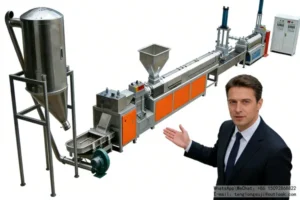
For small recycling enterprises, environmental engineers, and manufacturing owners, 2026 brings a core challenge: balancing PS (polystyrene) recycling efficiency, regulatory compliance, and cost control. With the 2026 update to the EU SUP Directive imposing stricter requirements—mandating 85% recycling of PS packaging waste by 2028—a high-performance PS Recycling Machine has become an indispensable asset for sustainable operations. Tailored primarily to environmental project engineers and procurement personnel, this article dives into key technical parameters, actionable compliance strategies, and ROI optimization methods, while addressing the core concerns of all three target audiences.
Key Technical Parameters of 2026 PS Recycling Machine (Engineer Focus)
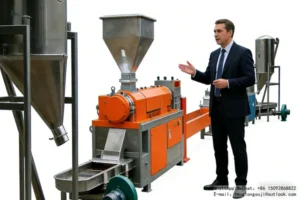
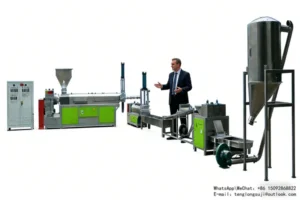
The performance of a PS Recycling Machine is determined by its core technical parameters, which directly influence processing efficiency, energy consumption, and the quality of the final recycled pellets. Below is a comparative analysis of three mainstream 2026 models, designed to help engineers select equipment that aligns with their project scale and quality requirements:
| Model | Screw Diameter (mm) | Daily Output (Tonnes) | Energy Consumption (kWh/kg) | IV Retention Rate (%) | Suitable PS Type |
| PS-500 (Small) | 40 | 1-2 | 7.2 | ≥91 | EPS Foam, Small Rigid PS Scrap |
| PS-1000 (Medium) | 55 | 3-5 | 6.5 | ≥93 | Rigid PS, EPS, PS/PP Blends |
| PS-2000 (Large) | 70 | 8-10 | 5.8 | ≥95 | High-Volume Rigid PS, Industrial PS Waste |
Critical Parameter Explanations:
IV Retention Rate: This metric indicates the molecular weight retention of recycled PS pellets. A rate of ≥93% ensures the pellets meet the standards for injection molding (e.g., automotive interior parts)—a key consideration for manufacturing owners seeking high-quality raw materials.
Energy Consumption: The PS-2000 model’s 5.8 kWh/kg efficiency translates to approximately €1,800 in monthly savings compared to traditional models (7.5 kWh/kg), making it a top choice for small enterprise owners focused on maximizing ROI.
Screw Diameter: Larger screw diameters enable the processing of bulkier PS waste (e.g., EPS foam blocks) without pre-shredding, significantly reducing labor costs for small teams with limited staff.
EU SUP Directive 2026 Compliance for PS Recycling Machine
The 2026 update to the EU SUP Directive imposes two core requirements for PS Recycling Machine operations: (1) a minimum 85% PS waste recycling rate by 2028; (2) benzene and styrene monomer emissions must not exceed 0.1 mg/m³. To achieve and maintain compliance, enterprises must optimize both their equipment configuration and process flow:
Equipment Configuration Adjustments
- Install a dual-stage decontamination module (ultrasonic cleaning + centrifugal separation) to remove impurities (e.g., paper, metal) and reduce monomer emissions to meet EU limits.
- Equip a heat recovery unit to reuse 70% of the heat generated during the melting process. This not only reduces energy consumption but also lowers greenhouse gas emissions—aligning with the directive’s sustainability objectives.
- Integrate a real-time monitoring system to track recycling rates and emissions continuously, ensuring compliance with EU reporting requirements and avoiding costly penalties.
Process Optimization for GRS Certification
For manufacturing owners seeking GRS (Global Recycled Standard) certification for their recycled PS pellets, the PS Recycling Machine process must include the following key steps:
Pre-sorting: Manually or automatically separate PS from other plastics (e.g., PET, PP) to ensure pellet purity of ≥99%.
Drying: Reduce the moisture content of PS waste to <1% before melting to prevent bubble formation in the pellets, which degrades their quality and usability.
Post-processing: Screen pellets through 80-120 mesh filters to remove fine debris, ensuring they meet the GRS’s strict material purity standards.
ROI Calculation & Cost Optimization (Small Enterprise Focus)
Small recycling enterprise owners prioritize short ROI cycles and low operational costs. Below is a 2026 ROI analysis for the PS-500 (small PS Recycling Machine), based on real-world market data and tailored to small-scale operations:
| Cost Category | Amount (EUR/Year) |
| Initial Equipment Investment | 48,000 (Amortized over 5 years: 9,600/year) |
| Energy Costs | 8,640 (1.5 tonnes/day × 360 days × 7.2 kWh/kg × 0.15 EUR/kWh) |
| Labor Costs (1 Operator) | 24,000 |
| Maintenance Costs | 3,600 (7.5% of equipment cost) |
| Total Annual Costs | 45,840 |
| Annual Revenue (Recycled PS Pellets: 540 tonnes × 1.2 EUR/kg) | 648,000 |
| Net Annual Profit | 602,160 |
| ROI Cycle | ~1 Month |
FAQ: PS Recycling Machine Selection & Compliance
- Q: What is the minimum PS Recycling Machine configuration to meet EU SUP Directive 2026?
A: At minimum, your equipment must include a dual-stage decontamination module, a heat recovery unit, and a real-time monitoring system. For small enterprises, the PS-500 model with these add-ons (total investment ~55,000 EUR) is sufficient to meet compliance requirements. - Q: How can I improve the IV retention rate of recycled PS pellets?
A: Optimize the melting temperature (180-220℃ with segmented control) and reduce the screw speed to 1,000-1,200 RPM. This minimizes molecular chain breakage, preserving the pellets’ IV value and ensuring they meet high-quality standards. - Q: What is the average service life of a PS Recycling Machine, and how to extend it?
A: Mainstream models have an average service life of 8-10 years. To extend this, clean the screw and barrel every 2 weeks, replace wear parts (e.g., screw flights) every 8-12 months, and opt for screws made of 38CrMoAl nitrided steel for enhanced wear resistance.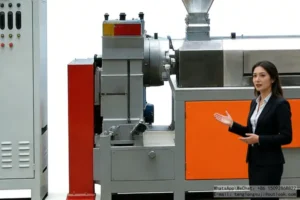
PS Recycling Machine
Conclusion
The 2026 PS Recycling Machine is a critical tool for enterprises navigating strict environmental regulations, rising energy costs, and growing demand for high-quality recycled PS. By selecting the right model based on technical parameters, optimizing processes for compliance, and leveraging cost-saving strategies, small enterprises, engineers, and manufacturing owners can all achieve their sustainability and profitability goals. The key is to prioritize equipment that balances technical performance, compliance, and ROI—ensuring long-term value in the circular economy.
Call to Action
- Low Threshold: Download our 《2026 PS Recycling Machine Selection Manual》to access detailed parameter comparisons and compliance checklists tailored to your enterprise scale.
• High Intent: Contact our team for a free on-site process assessment and customized PS Recycling Machine quotation—our 15+ years of industry experience ensures you get the optimal solution for your specific needs.