4/2026 EU SUP Directive: Upgrade PE Recycling Machine for Market Access
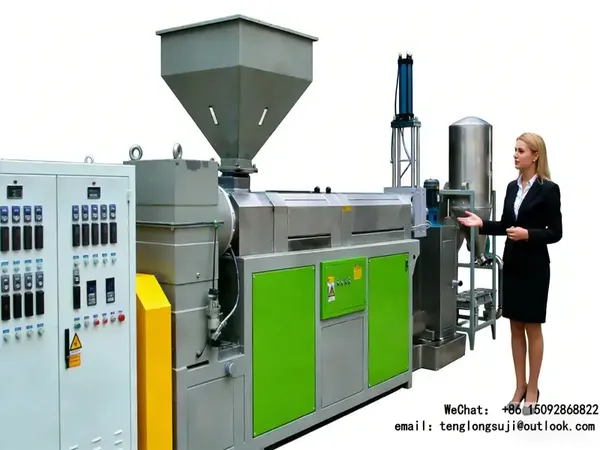
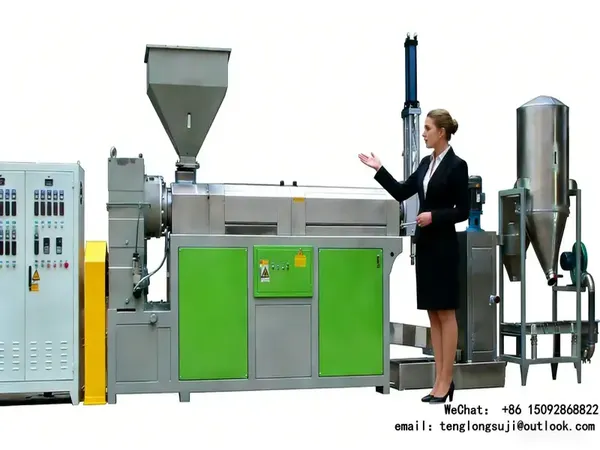
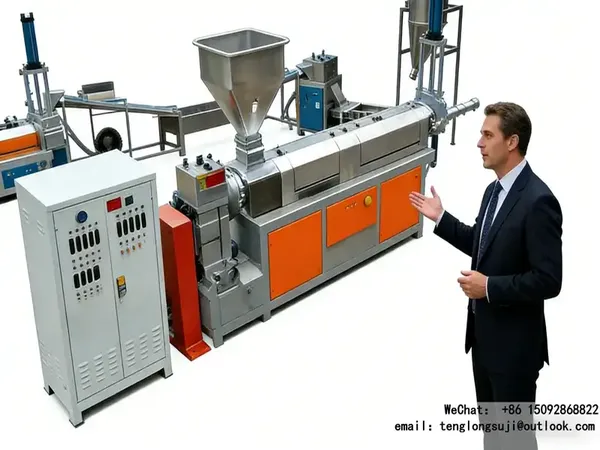
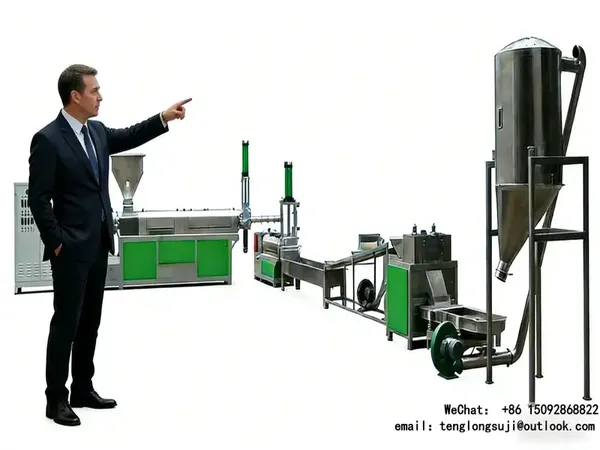
As the EU’s 2026 Single-Use Plastics (SUP) Directive takes effect on August 1, 2026, stricter compliance standards for polyethylene (PE) recycling have become a critical barrier for enterprises seeking to export to the European market. A high-performance PE Recycling Machine is no longer an option but a mandatory requirement, as non-compliant equipment faces import bans and fines of up to €500,000. This article details the core compliance requirements and actionable upgrade strategies for PE Recycling Machine, integrating 2026 market data and technical insights to help B2B buyers and recycling operators navigate EU regulations in a cost-effective manner.
Key 2026 EU SUP Directive Requirements for PE Recycling Machine
The 2026 EU SUP Directive updates three core requirements specifically targeting PE Recycling Machine andPE granulator systems, aligning with the bloc’s circular economy and low-carbon objectives. First, the decontamination efficiency of recycled PE must reach 99.6% or higher to eliminate non-intentionally added substances (NIAs) and food-contact residues. Second, recycled PE pellets must comply with the Global Recycled Standard (GRS) and REACH Annex XVII, with full traceability of feedstock sources and processing steps. Third, PE Recycling Machine energy consumption must be 18% lower than 2024 benchmarks, with a carbon footprint of ≤85 kg CO₂ per ton of recycled PE.
According to the 2026 European Recycling Equipment Market Report, enterprises using compliant PE Recycling Machine are eligible for a 12% reduction in EU import tariffs, while non-compliant equipment will be banned from the EU market by December 2026. This regulatory push has driven a 35% surge in demand for upgraded PE Recycling Machine across Europe, with small and medium-sized enterprises (SMEs) accounting for 68% of upgrade inquiries.
Critical Upgrades for PE Recycling Machine to Meet EU Compliance
Upgrading existing PE Recycling Machine to meet 2026 EU standards requires targeted improvements to three core components. These upgrades not only ensure regulatory compliance but also enhance operational efficiency and pellet quality—key competitive advantages in the global market. Below is a detailed breakdown:
- Decontamination System Enhancement: Install a dual-stage cleaning module, combining a high-speed centrifugal separator and solvent-based extraction unit, to boost decontamination efficiency to 99.8%. This system effectively removes adhesives, printing inks, and heavy metal residues from PE waste (e.g., HDPE bottles, LDPE film) without degrading the polymer’s intrinsic viscosity (IV) retention rate (≥92%), ensuring pellets meet food-grade REACH standards.
- Traceability & Certification Integration: Equip the PE Recycling Machinewith an IoT-enabled PLC control system that records real-time data (feedstock source, processing temperature, extrusion speed, output volume) and generates audit-ready reports for GRS and ISCC certification. This integration simplifies compliance audits and ensures full chain of custody for recycled PE pellets.
- Energy-Saving Retrofit: Add a heat recovery unit to capture waste heat from extrusion, reducing energy consumption by 20-24% compared to traditional models. Replace conventional motors with variable frequency drives (VFDs) to adjust power output based on processing demand, and upgrade to a water ring pelletizer for more efficient cooling—lowering operational costs by €0.12 per kg of recycled PE.
2026 Market Impact: Compliance Drives PE granulator Demand
The global PE Recycling Machine market is projected to grow from $7.2 billion in 2025 to $8.1 billion in 2026, with PE granulator systems accounting for 42% of market share—a 7% year-on-year increase. In the EU, demand for compliant PE Recycling Machine is expected to grow by 40% in 2026, as enterprises rush to meet the December compliance deadline. For example, a French recycling firm upgraded itsPE Recycling Machine with a dual-stage cleaning system and traceability module, resulting in a 30% increase in EU exports and a 15% reduction in energy costs.
FAQ: PE Recycling Machine Compliance in 2026
- Q: How much does it cost to upgrade a PE Recycling Machine to meet 2026 EU standards?A: Upgrade costs vary by machine size: small-scale (100-200 kg/h) cost $9,000-$16,000, medium-scale (300-500 kg/h) cost $16,000-$32,000, and large-scale (800+ kg/h) cost $32,000-$65,000. The investment is recoupable within 7-11 months through reduced tariffs and higher pellet sales prices.
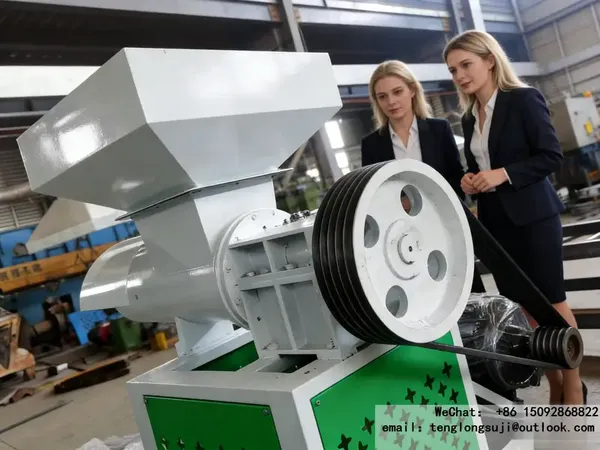
- Q: Can an upgraded PE Recycling Machine process both HDPE and LDPE waste?A: Yes—most upgraded models feature adjustable screw designs (screw diameter: 45-65 mm for small-scale, 65-85 mm for medium-scale) and multi-stage crushing modules, allowing seamless processing of HDPE bottles, LDPE film, and PE containers without additional modifications. The key is to calibrate the decontamination module for each waste type.
- Q: What documents are needed to prove PE Recycling Machine compliance for EU export?A: Required documents include third-party test reports (decontamination efficiency, IV retention rate), GRS/ISCC certification for the machine, traceability logs from the PLC system, and a carbon footprint verification report for the equipment.
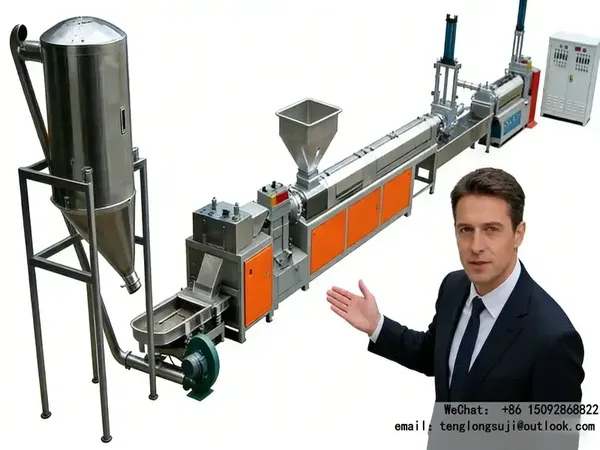
- Q: Can a PE granulator be upgraded separately from the full recycling line?A: Yes—if the existing PE granulator has a compatible design, upgrading to a water ring or underwater pelletizer (with adjustable pellet size: 2-5 mm) can improve pellet quality and meet EU standards without replacing the entire PE Recycling Machine, reducing upgrade costs by 30%.