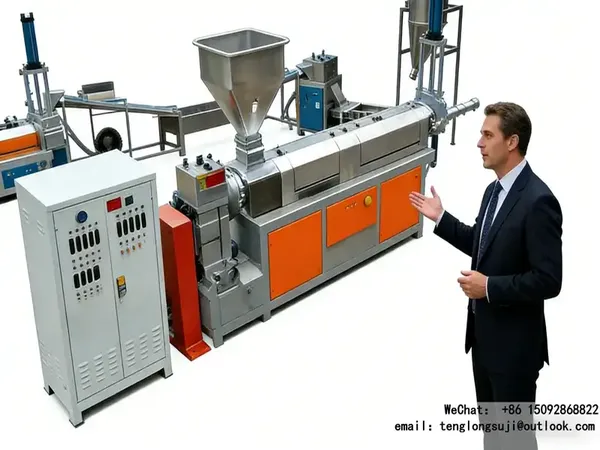
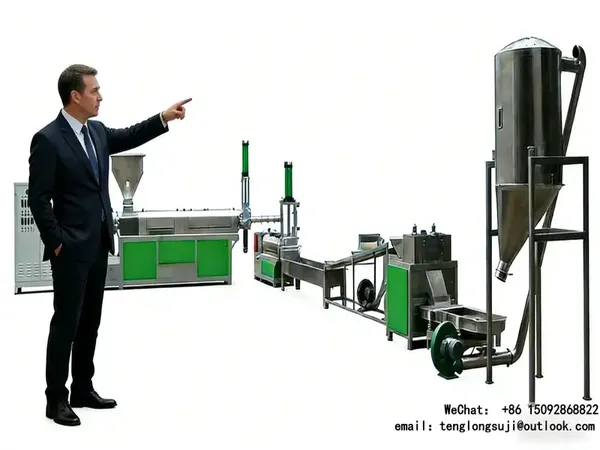
4/2026 Trends: How Plastic Granulator Drives Circular Economy in PET Bottle Recycling
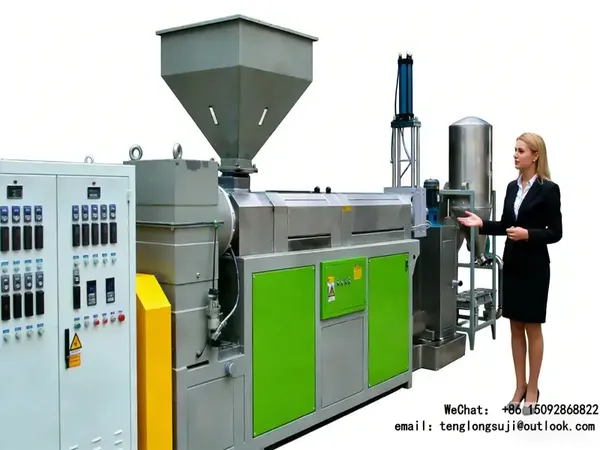
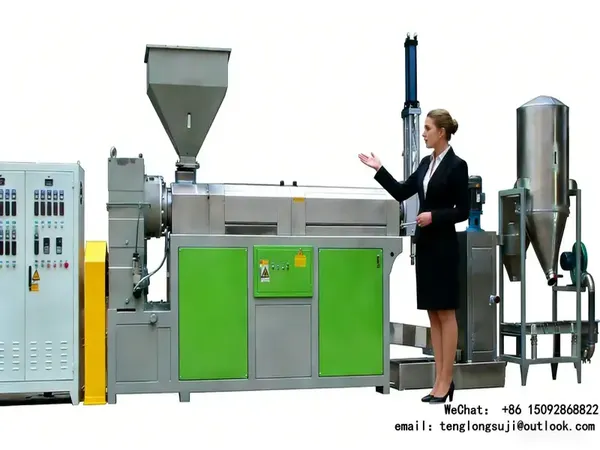
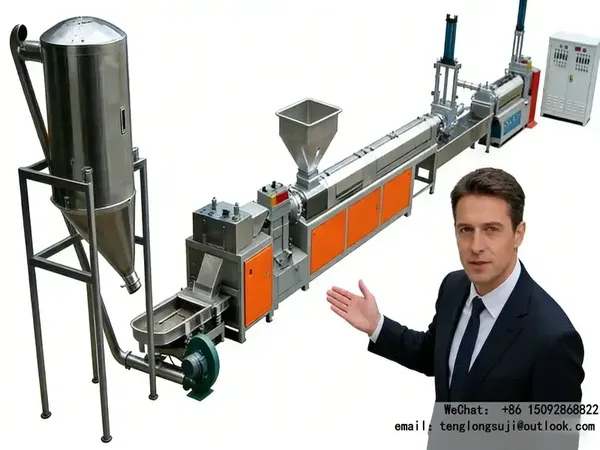
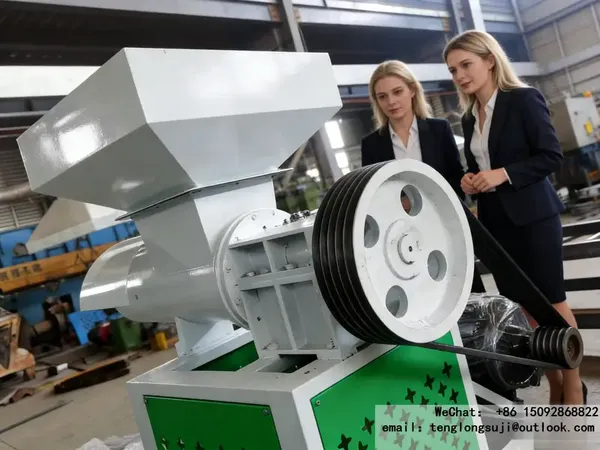
Plastic pollution isn’t going away. In 2026, governments and industries are serious about the circular economy, and PET bottle recycling is right in the middle of it. The key piece of equipment? The Plastic Granulator. But today’s machines aren’t what they used to be. They’re smarter, more efficient, and actually help recyclers make money.
According to the 2026 Global Plastic Recycling Market Report, demand for PET bottle recycling equipment is up 28% from last year. The Plastic Granulator alone takes 65% of that market. Why the jump? Simple—newer models save power, clean better, and help recyclers meet tough regulations without going broke.
What’s New in 2026 for PET Bottle Granulators
Recycling PET bottles isn’t just about melting plastic. The real headache is getting rid of labels, glue, and leftover soda residue. Here’s what the latest granulators do differently:
Way better cleaning
Good machines now come with built-in centrifugal separators and pre-wash systems. They remove over 99% of contaminants. Labels, adhesives, old drink residue—gone. Clean pellets mean you can sell to higher-end buyers.
Much lower energy use
New models have heat recovery built in. They use 18–22% less power than older gear. Take a mid-sized Plastic Granulator (65mm screw). It uses only 38 kWh per ton of PET pellets. That’s real money saved every month.
Smarter controls, fewer mistakes
PLC systems and real-time sensors let you adjust melt temperature (250–270°C for PET), screw speed (180–220 rpm), and pellet size (2–5mm) from a screen. You don’t need a veteran operator to run it well. Less guesswork, less waste.
Keeps the viscosity where it should be
For PET, intrinsic viscosity (IV) is everything. If it drops too low, you can’t make food-grade packaging. New screw designs and precise temperature control keep IV retention at 92% or higher. That means your pellets can go back into bottles or food trays—the high-value market.
Meeting Regulations: GRS and REACH
By 2026, the EU’s SUP directive and GRS 4.0 have raised the bar. If you want to sell into Europe or North America, your granulator has to be clean—not just the output, but the process.
Today’s compliant Plastic Granulator uses food-grade, wear-resistant materials for the screw and barrel. No secondary contamination. The system is closed-loop, so dust and exhaust are minimal. It meets REACH limits on hazardous substances. Use the right granulator, and getting GRS certification becomes much easier. And that opens the door to premium markets.
Does It Pay Off for a Small Recycler? Let’s Run the Numbers
Take a small PET line processing 5 tons per day. Here’s what the monthly look looks like:
| Cost Item | USD / Month |
| Equipment (spread over 3 years) | $850 |
| Raw material (PET bottles) | $12,000 |
| Utilities (electricity + water) | $1,200 |
| Labor (2 operators) | $3,500 |
| Total monthly cost | $17,550 |
| Monthly revenue (pellets @ $1.80/kg) | $27,000 |
| Monthly net profit | $9,450 |
At that rate, you pay back the equipment in about 14 months. For a small or medium-sized recycler, that’s a solid return.
FAQ – Plastic Granulator for PET Bottle Recycling
Q: What screw diameter should I get for PET?
A: For 2–5 tons/day, go with 50–65mm. For 5–10 tons/day, 70–90mm. Above 10 tons/day, 100–120mm. Match the size to your volume, and you won’t waste money or capacity.
Q: How do I maintain the granulator so it lasts longer?
A: Clean the screw and barrel every 8–10 running hours. Check the lubrication system regularly. Replace worn parts—like the screw sleeve—every 6–8 months. Also, don’t feed in really dirty, high-impurity material. That’s what the pre-wash step is for.
Q: Can the same machine process other plastics, like PP or PE?
A: Yes. Most models can be adjusted for PP, PE, or HDPE by changing the screw design and temperature settings. But don’t mix different plastics in one batch. That kills pellet quality and drops your selling price.
Q: What MFI (melt flow index) should I expect for PET pellets?
A: Typically 1.5–3.0 g/10min (tested at 230°C, 2.16kg). That range works fine for making new bottles, fiber, or injection-molded products—exactly where the demand is for recycled PET.