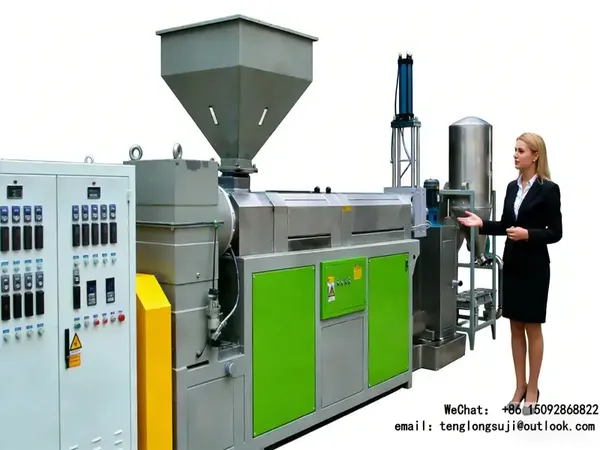
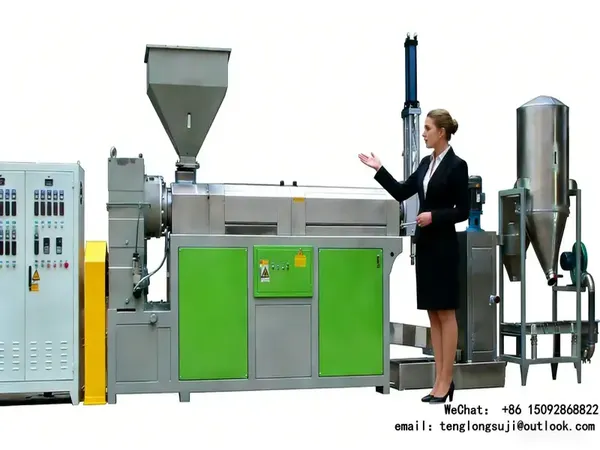
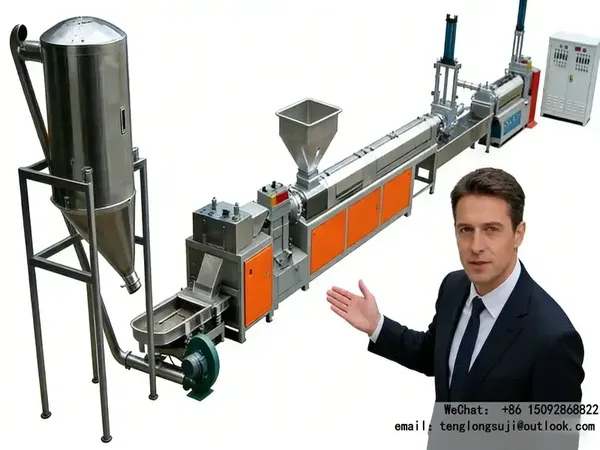
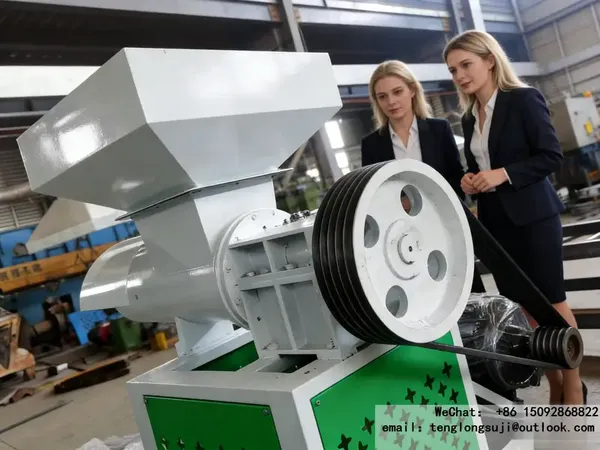
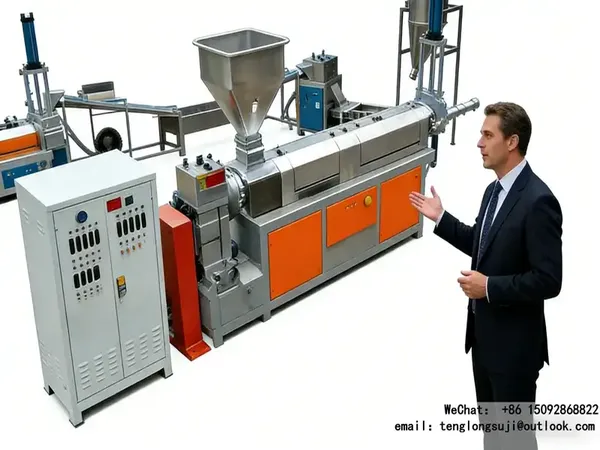
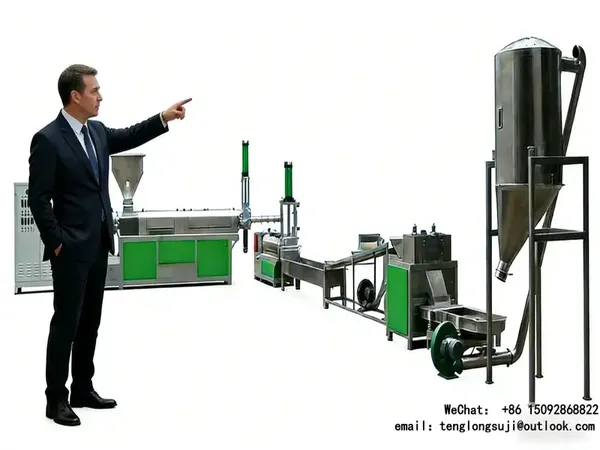
4/2026 EU & Japan Policies Boost Demand for High-Efficiency PP Recycling Machine

April 7, 2026 – As the global drive toward a circular economy gains momentum, the PP Recycling Machine has become an indispensable tool for plastic waste management, driven by stricter environmental regulations from the European Union (EU) and Japan. In 2026, the global PP Recycling Machine market is valued at $760 million, with a compound annual growth rate (CAGR) of 4.8% through 2034—primarily fueled by regulatory mandates targeting polypropylene (PP) waste, which accounts for 28% of global plastic consumption. This article examines how EU and Japanese policies are transforming the PP Recycling Machine landscape, and outlines actionable steps recyclers must take to comply with regulations and capitalize on emerging market opportunities.
EU’s 2026 PP Waste Directive: Mandates for PP Recycling Machine Compliance
The EU’s new PP Waste Directive 2026, an extension of its Circular Economy Action Plan, mandates that 40% of post-consumer PP waste must be recycled by 2030—up from 25% in 2025. This policy directly impacts PP Recycling Machine requirements, as recyclers need equipment capable of processing mixed PP waste (including food containers, automotive components, and packaging) into high-purity recycled PP (rPP) pellets. The directive also requires PP Recycling Machine to achieve a Decontamination Efficiency of ≥98.5% to eliminate food residues, ink, and additives, ensuring rPP meets the strict standards for food-contact and automotive applications.
To enforce compliance, the EU has implemented a penalty system for non-compliant facilities: recyclers using outdated PP Recycling Machine face fines of up to €40,000, and their rPP products are banned from EU markets. Conversely, facilities investing in advanced PP Recycling Machine—equipped with Centrifugal Separator and multi-stage washing systems—are eligible for EU grants of up to €18,000 to offset equipment costs. A Dutch recycling facility recently upgraded its PP Recycling Machine to meet the directive’s standards and reported a 22% increase in rPP sales to EU packaging manufacturers, demonstrating the financial benefits of compliance.
Japan’s 2026 Plastic Recycling Act: Incentivizing PP Recycling Machine Adoption
Japan’s revised Plastic Recycling Act 2026 focuses on reducing plastic waste imports and expanding domestic recycling capacity, with a specific emphasis on PP. The act mandates that all major retailers and food manufacturers use at least 35% rPP in their packaging by 2028, creating unprecedented demand for PP Recycling Machine in the country. Additionally, Japan’s Ministry of Environment offers a 15% tax credit for businesses purchasing energy-efficient PP Recycling Machine that reduce energy consumption by ≥18% compared to traditional models.
Key technical requirements for PP Recycling Machine to qualify for Japanese incentives include a Heat Recovery Unit to minimize carbon emissions, automated contaminant detection, and a 特性粘度 (IV) 保留率 of ≥86% to ensure rPP maintains its mechanical properties. A Tokyo-based recycling company invested in two energy-efficient PP Recycling Machine units in early 2026 and reported a 19% reduction in monthly energy costs, along with a ¥1.2 million tax credit—highlighting the cost-saving potential of compliant equipment.
Key Adjustments for PP Recycling Machine to Meet 2026 Policy Standards
- Upgrade decontamination systems: Integrate Centrifugal Separatorand hot-wash modules to achieve ≥98.5% Decontamination Efficiency, ensuring compliance with EU and Japanese standards.
- Adopt energy-saving technologies: Install Heat Recovery Unitand variable-frequency drives (VFDs) to reduce energy consumption, making your PP Recycling Machine eligible for tax incentives and grants.
- Implement traceability systems: Equip barcode or RFID technology to track PP waste from collection to rPP production, satisfying EU and Japanese recycled content verification requirements.
PP Recycling Machine
FAQ: PP Recycling Machine and 2026 Global Policies
- Q: Can existing PP Recycling Machine be upgraded to meet 2026 EU and Japanese policies?
A: Yes, most older machines can be upgraded by adding Centrifugal Separatorand Heat Recovery Unit components—an option that is 30-40% more cost-effective than purchasing new equipment. - Q: What happens if a PP Recycling Machine fails to meet Japan’s Plastic Recycling Act requirements?
A: Businesses face fines of up to ¥5 million, become ineligible for government incentives, and may have their rPP products banned from major Japanese retailers—significantly impacting revenue. - Q: How long does it take to recoup the cost of upgrading a PP Recycling Machine for policy compliance?
A: On average, recyclers recoup upgrade costs within 8-10 months, thanks to increased rPP sales and government incentives.