Small-Scale PE Recycling Machine: A Solid Bet for 2026 SME Projects
Global recycling rules are getting tighter. Governments are handing out environmental subsidies. And plastic waste isn’t going anywhere.
For small and medium business owners, that adds up to one thing: opportunity.
The small-scale PE recycling machine is the entry point. Low upfront cost. Simple to run. Quick payback. That’s why more entrepreneurs are looking at PE recycling as a real business in 2026.
This guide walks you through picking the right machine, figuring out if the numbers work, and keeping the operation profitable.
How to Pick a Small PE Recycling Machine for a Startup
Get this wrong, and you’ll be fighting the machine every day. Get it right, and the thing just runs.
Here’s what actually matters.
Output size.
For a startup, don’t overbuy. A machine that does 500kg to 2 tons per day is plenty. Big enough to make money. Small enough that you’re not drowning in debt.
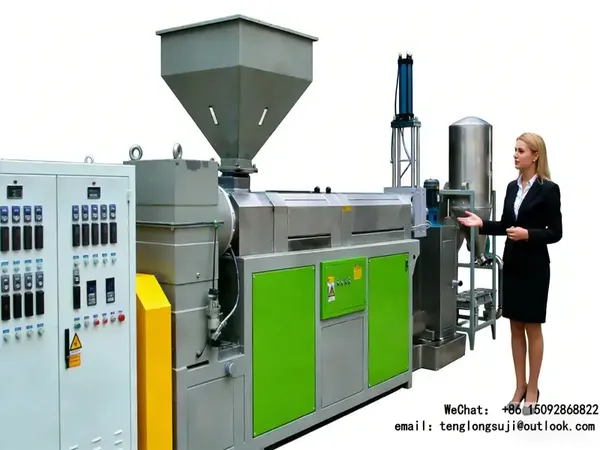
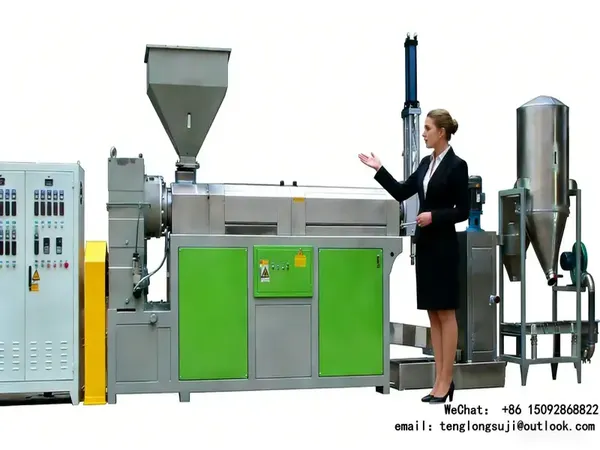
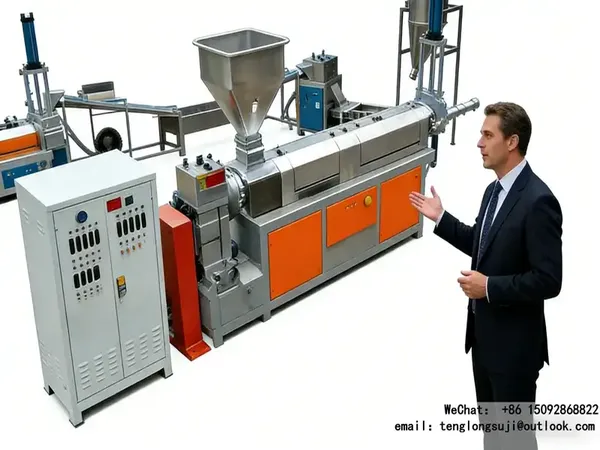
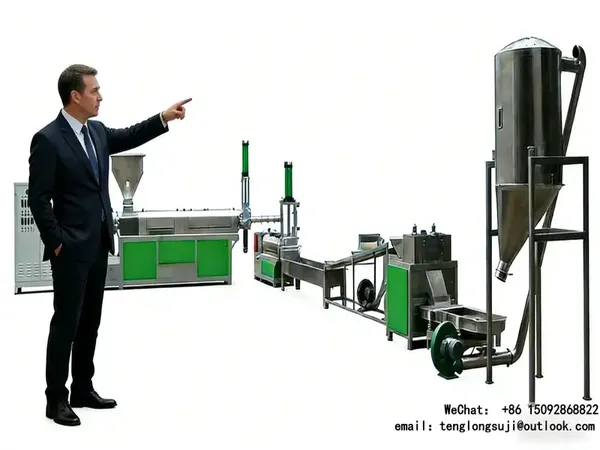
Take the Type 105 machine that came out in 2026. Does 150kg per hour. Screw diameter is 105mm. Main motor is 18.5kW. Fits in a small workshop. Doesn’t need a ton of power. Perfect for someone just starting out.
What raw materials can it handle?
Your supply won’t always be the same. Some days you’ll get PE bottles. Other days it’s film or plastic parts. Your machine needs to handle all of it.
Also look for a simple decontamination system. Oil, dust, dirt—if the machine can’t pull those out, your pellets won’t sell. Pure pellets get better prices.
Price vs. reliability.
In 2026, small PE recycling machines run from $15,000 to $50,000. Don’t chase the cheapest one. Cheap usually means fragile. And downtime kills small businesses faster than anything.
Check the manufacturer’s after-sales support too. Do they help with installation? Training? Can you get parts when something breaks? That stuff matters more than a few thousand dollars off the price.
Does a Small PE Recycling Machine Actually Make Money?
Let’s run the numbers on a 1-ton-per-day operation. This is based on real 2026 market prices.
Daily costs:
| Cost Item | Amount |
| Raw material (waste PE) | $800–1,200 |
| Electricity (~300 kWh/ton) | $30–40 |
| Labor (2–3 workers) | $100–150 |
| Maintenance, additives, etc. | $50–80 |
| Total daily cost | $980–1,470 |
Daily revenue:
Recycled PE pellets sell for $2.5–3 per kg in 2026. At 1 ton per day:
$2,500–3,000 daily sales
Daily profit: $1,030–1,530
That’s not bad for a small operation.
Payback time? 6 to 12 months if you run consistently.
One more thing – government help.
Many local governments want more recycling. In places like China, SMEs can get:
– 10% tax reduction on environmental equipment
– One‑time subsidies of $5,000–$10,000 for small recycling projects
That money speeds up your payback even more. Check what your local government offers.
Three Tips to Keep Your Machine Running Smoothly
You don’t need a engineering degree. But you do need to pay attention to a few things.
- Clean your input material.
Sort out metal, glass, and PVC before it goes into the machine. Those impurities wear down your screw and barrel fast. Clean input also means cleaner pellets, which means better prices.
- Stick to a maintenance schedule.
Check the screw, barrel, and cutting knife regularly. Add lubricating oil. Replace worn parts before they break. A little prevention saves you from a week of downtime.
- Adjust parameters for different materials.
Don’t run everything the same way.
For PE film: keep melt temperature at 180–200°C , screw speed at 30–50 rpm. That’s the sweet spot.
For thicker materials, adjust accordingly. The machine will tell you if something’s wrong.
FAQ: What Startup Owners Actually Ask
Q: How much money do I need to get started?
A: Total investment runs $20,000–60,000. That covers the machine, workshop rental, and your first batch of raw material.
Q: How long until I get my money back?
A: 6 to 12 months of normal operation. Depends on local pellet prices and how efficiently you run.
Q: Do I need to be a technician to operate it?
A: No. The 2026 small‑scale machines come with simple intelligent controls. Most manufacturers also include free installation, setup, and training. You’ll be running it in a few days.
Q: What can I do with the pellets?
A: A lot. Baskets, pipes, films, industrial parts. Demand is steady and prices are stable. You won’t struggle to find buyers.