Post-consumer Plastic Recycling: A Profitable Guide for Small Business Owners
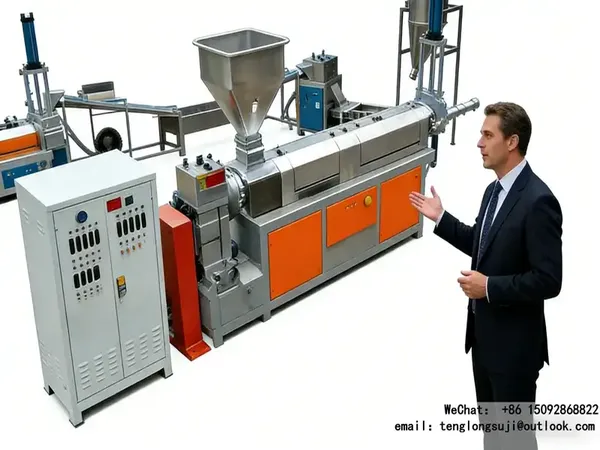
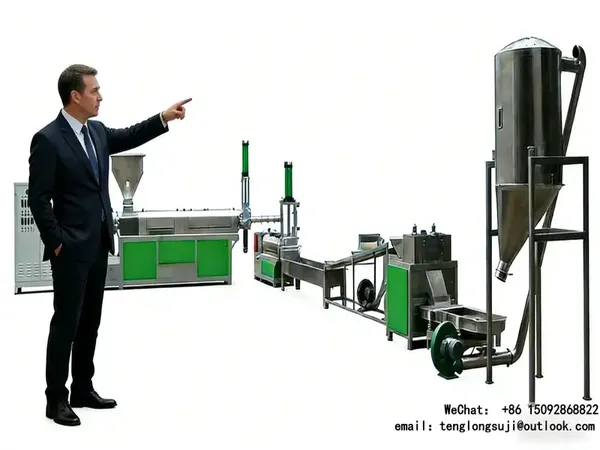
For small recycling business owners, Post-consumer Plastic Recycling represents a untapped opportunity to generate steady revenue while contributing to environmental sustainability. However, many small businesses struggle to navigate the complexities of post-consumer plastic (PCR) collection, processing, and marketing—often due to limited resources, unclear ROI, and lack of knowledge about industry best practices. With the EU SUP Directive mandating higher recycled content in plastic products and global PCR demand expected to grow by 12% in 2026, small recyclers can no longer afford to ignore this market. This guide breaks down how to start and scale a profitable Post-consumer Plastic Recycling business, with a focus on cost control, ease of operation, and maximizing ROI.
Understanding Post-consumer Plastic Recycling: What Small Businesses Need to Know
Post-consumer Plastic Recycling refers to the process of collecting, sorting, cleaning, and processing plastic waste generated by households, businesses, and institutions (e.g., plastic bottles, food containers, packaging). Unlike post-industrial scrap, post-consumer plastic is more diverse and contaminated, requiring specialized processes—but it also commands higher prices due to growing demand from manufacturers seeking sustainable raw materials.
Key Post-consumer Plastic Types for Small Recyclers (by Market Demand and Profitability):
| Plastic Type | Common Sources | Market Price (USD/ton) | Processing Difficulty | Profit Margin |
| PET (Polyethylene Terephthalate) | Soda bottles, water bottles, food containers | 200-300 | Low | 25-35% |
| HDPE (High-Density Polyethylene) | Milk jugs, detergent bottles, plastic buckets | 150-250 | Low-Medium | 20-30% |
| PP (Polypropylene) | Yogurt cups, food containers, bottle caps | 120-200 | Medium | 15-25% |
| PVC (Polyvinyl Chloride) | Pipe, window frames, packaging | 80-120 | High | 10-15% |
Key Insight: Small recyclers should focus on PET and HDPE for maximum profitability, as they are the most in-demand post-consumer plastics and require minimal processing equipment. For example, a small business processing 10 tons of PET per month can generate $2,000-$3,000 in monthly revenue with a 30% profit margin.
Cost Control Strategies for Small-Scale Post-consumer Plastic Recycling
The biggest challenge for small-scale post-consumer plastic recyclers is controlling costs while maintaining profitability. Unlike large industrial recyclers, small businesses cannot leverage economies of scale, so every dollar saved on collection, processing, or labor directly impacts the bottom line. Below are actionable cost control strategies tailored to small operations, with real-world examples to guide implementation—all designed to align with the low-cost, high-efficiency approach outlined earlier for small recycling businesses.
- Optimize Collection Costs: Reduce Input Expenses
Collection is often the largest operational cost for small recyclers, accounting for 25-35% of total expenses. To cut costs without reducing input volume, consider these tactics:
- Partner with Local Businesses and Communities: Collaborate with grocery stores, restaurants, and residential complexes to set up collection bins at their locations. This reduces transportation costs (you won’t need to drive to scattered drop-off points) and ensures a steady supply of plastic waste. For example, a small recycler in Texas partnered with 5 local grocery stores to place collection bins, cutting transportation costs by 40% and increasing monthly input by 25%.
- Implement a “Bring-Your-Own-Waste” Incentive Program: Offer small rewards (e.g., $5 gift cards, discounts on recycled products) to individuals who drop off post-consumer plastic. This reduces the need for costly door-to-door collection and builds community engagement. A Pennsylvania recycler saw a 30% reduction in collection costs after launching this program, as 60% of their input now comes from self-drop-offs.
- Focus on High-Density Collection Routes: Map your collection area to prioritize neighborhoods and businesses with high plastic waste generation (e.g., apartment complexes, cafes). Avoid long, scattered routes that waste fuel and labor. Using route optimization software (affordable options like Route4Me start at $39/month) can reduce fuel costs by 15-20%.
- Streamline Processing: Minimize Labor and Energy Costs
Processing post-consumer plastic—sorting, cleaning, and shredding—requires labor and energy, but small recyclers can optimize these steps to reduce waste and expenses:
- Invest in Low-Cost Sorting Tools: Instead of expensive automated sorting systems, use manual sorting tables with dividers for different plastic types (PET, HDPE, PP). Train staff to sort efficiently (e.g., color-coded bins, quick identification guides) to reduce sorting time by 25%. For small operations, a basic sorting table costs $500-$1,000, a fraction of the cost of automated sorters ($10,000+).
- Optimize Cleaning Processes: Use cold water for cleaning non-food-grade plastic (e.g., HDPE detergent bottles) to reduce energy costs—hot water is only necessary for food-contaminated PET. A small recycler in Florida switched to cold water cleaning for 70% of their input, cutting energy costs by $150/month. Additionally, use biodegradable cleaning agents to avoid costly environmental fines and reduce waste.
- Batch Processing to Reduce Energy Waste: Run your recycling machine in batches instead of continuously to avoid energy consumption during low-input periods. For example, if you collect 1 ton of plastic per day, process it in two 500-kg batches instead of running the machine at half-capacity all day. This can reduce energy costs by 10-15% by maximizing machine efficiency.
- Reduce Labor Costs: Hire Smart and Train Effectively
Labor costs account for 20-30% of operational expenses for small recyclers. To keep labor costs in check without sacrificing productivity:
- Hire Part-Time or Contract Labor for Peak Periods: Instead of hiring full-time staff, use part-time workers or contractors during busy periods (e.g., after holidays, when plastic waste volume spikes). This avoids paying for unneeded labor during slow periods. A small recycler in California uses 2 full-time staff and 3 part-time contractors, reducing labor costs by $2,500/month compared to a fully full-time team.
- Cross-Train Staff: Train employees to handle multiple tasks (sorting, cleaning, machine operation) so you can adjust staffing based on demand. Cross-training reduces the need for specialized staff and ensures you can operate with fewer employees during slow periods. For example, a recycler in Oregon cross-trained their 4 staff members to handle all processing tasks, eliminating the need for a dedicated machine operator.
- Use Incentive-Based Pay: Offer performance bonuses (e.g., $0.05 per kg of sorted plastic) to motivate staff to work efficiently. This increases productivity and reduces waste—staff are more likely to sort correctly and minimize material loss when their pay is tied to performance. A small recycler in New York saw a 20% increase in sorting efficiency after implementing incentive-based pay, reducing labor costs per kg by 12%.
Maximizing Revenue: How to Sell Your Recycled Plastic for Top Dollar
Cost control is only half the equation—small recyclers must also maximize revenue from their recycled plastic to boost profitability. Building on the market demand insights shared earlier (where PET and HDPE lead in profitability), here are key strategies to get the highest possible price for your PCR material:
Cost control is only half the equation—small recyclers must also maximize revenue from their recycled plastic to boost profitability. Here are key strategies to get the highest possible price for your PCR material:
- Focus on High-Demand Markets
As mentioned earlier, PET and HDPE are the most in-demand post-consumer plastics. However, you can command even higher prices by targeting specific markets:
- Local Manufacturers: Sell directly to local plastic product manufacturers (e.g., packaging companies, toy makers) to avoid middleman fees. Local manufacturers often pay 10-15% more than distributors because they save on transportation costs. For example, a small recycler in Illinois sells their recycled PET directly to a local water bottle manufacturer, earning $275/ton instead of $240/ton from a distributor.
- GRS-Certified Markets: As discussed earlier, GRS certification can increase PCR prices by 10-20%. Focus on selling GRS-certified material to food packaging, textile, and cosmetic companies, which are willing to pay a premium for sustainable, traceable raw materials.
- Improve Material Quality to Command Higher Prices
Buyers pay more for clean, consistent recycled plastic. To improve material quality:
- Thoroughly sort plastic by type and color—mixed plastics or contaminated material sell for 30-50% less than pure, sorted material.
- Remove all non-plastic contaminants (paper, metal, glass) and food residue—even small amounts of contamination can lower the price per ton.
- Package the recycled material in clean, labeled bags (e.g., “100% PET Flakes, GRS-Certified”) to make it more appealing to buyers. Proper packaging also reduces damage during transportation, ensuring you get full value for your product.
- Build Long-Term Relationships with Buyers
Consistent, reliable supply is valuable to buyers—build long-term relationships to secure repeat business and higher prices. Communicate regularly with buyers to understand their needs (e.g., specific plastic types, quality requirements) and adjust your operations accordingly. For example, a small recycler in Georgia built a 5-year relationship with a textile manufacturer by consistently delivering high-quality PET flakes, and the buyer increased their price by 12% over time to retain the recycler as a supplier.
Scaling Your Post-Consumer Plastic Recycling Business
Once your small operation is profitable, you can scale gradually to increase revenue. Here are low-risk scaling strategies for small recyclers:
- Expand Collection Routes: Add 1-2 new collection locations per month to increase input volume. Focus on high-density areas to avoid increasing transportation costs disproportionately.
- Upgrade Equipment Gradually: Start with a semi-automatic machine, then add a washing station or automated sorter as revenue grows. This avoids large upfront investments and allows you to test new equipment before committing to full-scale upgrades.
- Diversify Plastic Types: Once you master PET and HDPE processing, add PP recycling to your offerings. PP has lower profit margins but can increase your total input volume and revenue.
ROI Calculation for Small-Scale Post-Consumer Plastic Recycling (Tailored for Small Operations)
To ensure your business remains profitable as you scale, use this simplified ROI formula for small operations:
ROI (%) = [(Monthly Revenue – Monthly Operational Costs) / Initial Investment] x 100
Example: A small business with a $15,000 initial investment (semi-automatic equipment, collection bins):
- Monthly Processing Capacity: 10 tons of PET
- Monthly Revenue: 10 tons x $250/ton = $2,500
- Monthly Operational Costs: Collection ($500) + Labor ($800) + Energy ($200) + Maintenance ($100) = $1,600
- Monthly Profit: $2,500 – $1,600 = $900
- ROI: ($900 / $15,000) x 100 = 6% per month (12-month ROI: 72%, payback period: ~17 months)
Key Tip: Increasing processing volume to 15 tons/month reduces per-unit costs by 15–20%, increasing monthly profit to $1,500 and shortening the payback period to 10 months.
Compliance with GRS: A Key to Higher Profitability
GRS (Global Recycled Standard) certification is essential for small businesses in Post-consumer Plastic Recycling to access higher-paying markets (e.g., food packaging, textile manufacturers). GRS requires:
- A minimum 20% recycled content (easily achieved with post-consumer plastic).
- Physical isolation of recycled materials from non-recycled materials.
- Complete supply chain traceability (from collection to final product).
The good news is that GRS certification is accessible for small businesses—costs range from $1,000–$3,000 per year, and the certification can increase PCR prices by 10–20%. For example, a small recycler in Michigan spent $2,000 on GRS certification and increased their PET price from $250/ton to $287.5/ton, recouping the certification cost in just 6 months.
FAQ: Common Questions for Small-Scale Post-consumer Plastic Recyclers
- How much space do I need to start a Post-consumer Plastic Recycling business?A small operation (processing 5–10 tons/month) requires 100–200 square feet of space for collection, sorting, and basic processing. This can be a small warehouse, garage, or storage unit.
- Do I need a license to collect post-consumer plastic?Yes—most regions require a recycling license, which can be obtained from local environmental agencies for $100–$500. Some areas also require a waste management permit, so check with your local government before starting.
- Where can I sell my recycled post-consumer plastic?You can sell to local manufacturers, plastic distributors, or online marketplaces (e.g., Recycler’s World). GRS-certified material can be sold to larger brands (e.g., Coca-Cola, Unilever) at a premium. Additionally, many states offer recycling grants or incentives for small recyclers—check with your state’s environmental agency for opportunities.
- How can I reduce contamination in post-consumer plastic?Provide clear collection guidelines (e.g., “no food residue, no non-plastic items”) on your collection bins and educate the community about proper sorting. Sort materials thoroughly before processing, and invest in a basic washing system to remove light contamination.
Conclusion
Post-consumer Plastic Recycling is a profitable opportunity for small businesses, provided they focus on cost control, high-demand plastic types, and compliance with global standards like GRS. By starting small, optimizing collection and sorting processes, and scaling gradually, small recyclers can generate steady revenue while contributing to a more sustainable future. The growing demand for PCR material—driven by regulations like the EU SUP Directive and consumer demand for eco-friendly products—makes now the perfect time to enter the post-consumer plastic recycling market.
Take Action Now
Low-threshold lead generation: Download our free 《Small-Scale Post-consumer Plastic Recycling Startup Guide》 now to access detailed cost breakdowns, ROI calculators, and GRS certification tips.
High-intent sales conversion: Contact us for a free business plan consultation. Our experts will help you design a profitable Post-consumer Plastic Recycling operation tailored to your budget and goals.