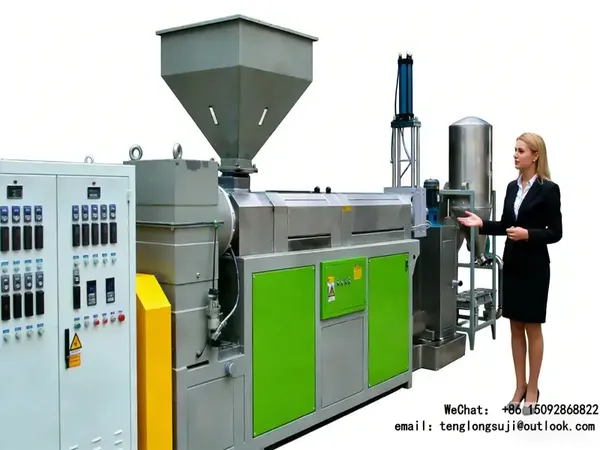
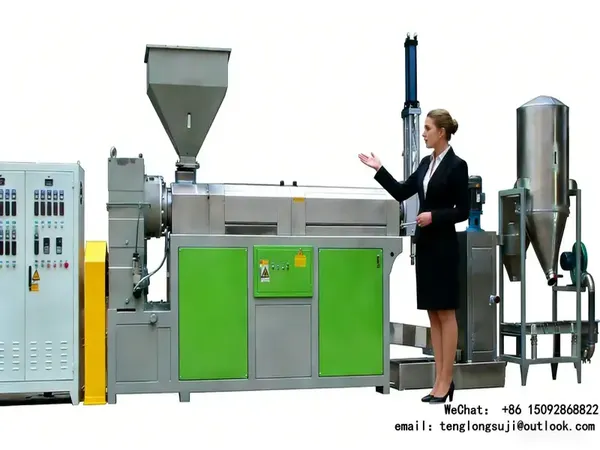
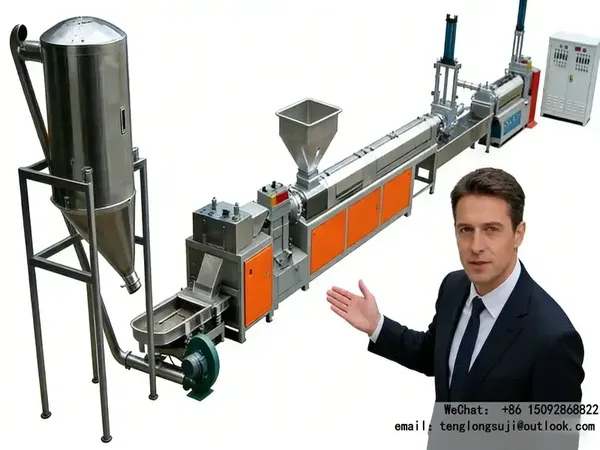
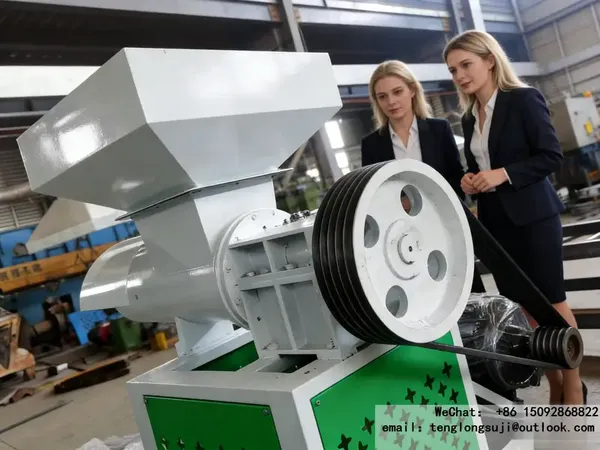
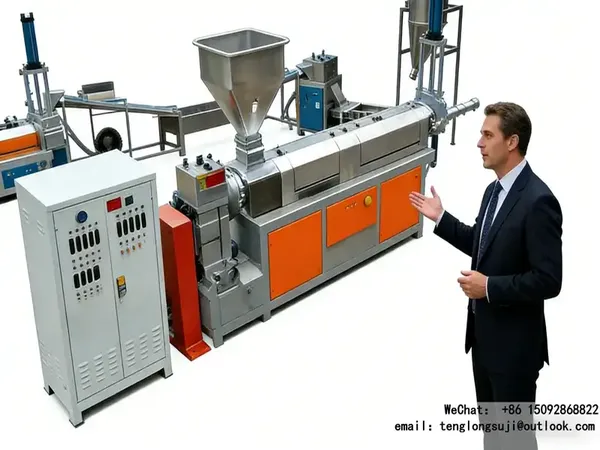
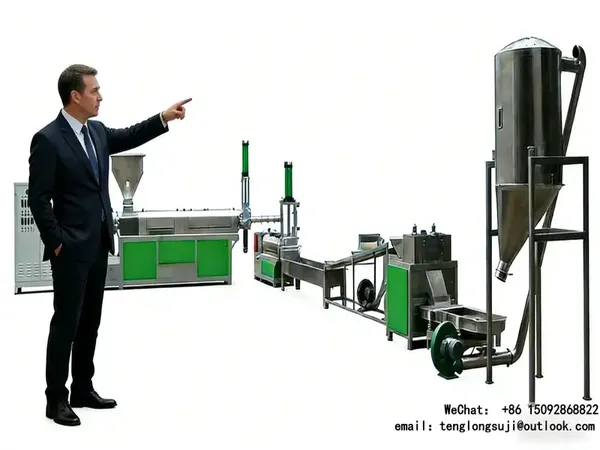
Plastic Bottle Recycling Machine: A Cost-Effective Guide for Small-Scale Recyclers
For small-scale recycling business owners, investing in the right Plastic Bottle Recycling Machine is a critical decision that directly impacts cash flow, operational efficiency, and long-term profitability. Many small recyclers struggle with high upfront costs, complex equipment that requires skilled labor, and unclear ROI timelines—challenges that often prevent them from capitalizing on the growing demand for recycled plastic materials. With global plastic bottle waste projected to reach 500 million tons annually by 2030, and the EU SUP Directive mandating 30% recycled content in plastic bottles by 2030, small businesses cannot afford to overlook this opportunity. This guide breaks down how to select a Plastic Bottle Recycling Machine that balances cost, ease of use, and ROI, with actionable insights tailored to small operations.
Key Considerations for Small-Scale Recyclers: Cost, Ease of Use, and ROI
Small recycling enterprises operate on tighter budgets and often have limited access to specialized technical staff, making two factors non-negotiable: low total cost of ownership (TCO) and intuitive operation. Below is a breakdown of the critical elements to evaluate, along with data-driven insights to optimize your investment.
- Cost Optimization: Upfront vs. Operational Expenses
Many small business owners focus solely on upfront equipment costs, but operational expenses—energy, labor, maintenance—account for 60-70% of TCO over a 5-year period. A Plastic Bottle Recycling Machine with a lower upfront price may end up costing more in the long run if it is energy-inefficient or requires frequent repairs. The table below compares three common machine types for small-scale operations, highlighting their cost profiles:
| Machine Type | Upfront Cost (USD) | Energy Consumption (kWh/kg) | Annual Maintenance Cost (USD) | 5-Year TCO (USD) |
| Semi-Automatic PET Bottle Recycling Machine (100-200 kg/h) | 15,000-25,000 | 0.5-0.7 | 1,200-1,800 | 35,000-55,000 |
| Fully Automatic Compact Machine (200-300 kg/h) | 25,000-40,000 | 0.4-0.6 | 800-1,200 | 45,000-65,000 |
| Manual Feed Machine (50-100 kg/h) | 8,000-12,000 | 0.8-1.0 | 1,500-2,000 | 38,000-52,000 |
Key Insight: The semi-automatic Plastic Bottle Recycling Machine offers the best balance for small businesses, with a moderate upfront cost and lower operational expenses than manual machines. For example, a 150 kg/h semi-automatic machine processing 8 hours/day, 5 days/week, will generate approximately 300 tons of recycled PET per year—enough to generate $60,000-$90,000 in annual revenue (based on $200-$300 per ton of recycled PET flakes).
- Ease of Use: Minimizing Labor Costs and Training
Small businesses often cannot afford to hire skilled technicians, so a Plastic Bottle Recycling Machine with a user-friendly interface and minimal maintenance requirements is essential. Look for these features:
- Touchscreen control panels with pre-programmed settings for common bottle types (PET, HDPE, PP)
- Modular design for easy access to components (reduces maintenance time by 40%)
- Automatic jam detection and shutdown (prevents equipment damage and reduces downtime)
- Training materials and 24/7 technical support (critical for troubleshooting)
Example: A small recycler in Ohio invested in a semi-automatic Plastic Bottle Recycling Machine with a touchscreen interface. After 1 day of training, their unskilled staff was able to operate the machine independently, reducing labor costs by $2,000 per month compared to their previous manual system.
- ROI Calculation: How to Achieve Payback in 12-18 Months
The ROI of aPlastic Bottle Recycling Machine depends on three key factors: processing capacity, material recovery rate, and revenue from recycled materials. Use the formula below to calculate your projected ROI:
ROI (%) = [(Annual Revenue – Annual Operational Costs) / Upfront Equipment Cost] x 100
For a semi-automatic machine with a $20,000 upfront cost, processing 150 kg/h, 8 hours/day, 5 days/week:
- Annual Processing Capacity: 150 kg/h x 8 h/day x 5 days/week x 50 weeks = 300,000 kg (300 tons)
- Annual Revenue: 300 tons x $250/ton = $75,000
- Annual Operational Costs: Energy ($10,500) + Maintenance ($1,500) + Labor ($36,000) = $48,000
- Annual Profit: $75,000 – $48,000 = $27,000
- ROI: ($27,000 / $20,000) x 100 = 135% (Payback period: ~9 months)
Compliance with Global Standards: GRS Certification for Small Recyclers
To access higher-paying markets (e.g., food packaging, textile manufacturers), small recyclers must ensure their Plastic Bottle Recycling Machine produces material that meets GRS (Global Recycling Standard) requirements. GRS requires a minimum 20% recycled content, physical isolation of recycled materials, and complete supply chain traceability. The good news is that most modern semi-automatic machines can be adapted to meet these standards with minor modifications, such as adding a washing station to remove contaminants (critical for achieving GRS certification).
FAQ: Common Questions for Small-Scale Recyclers
- What is the minimum space required for a Plastic Bottle Recycling Machine?A semi-automatic machine (100-200 kg/h) requires 50-80 square feet of space, including room for raw material storage and finished product stacking.
- Do I need specialized training to operate the machine?No—most modern machines come with user-friendly interfaces and 1-2 days of on-site training is sufficient for unskilled staff to operate the equipment.
- How can I reduce energy costs for my recycling machine?Opt for machines with energy-efficient motors (IE3 or higher) and schedule operation during off-peak hours (when electricity rates are 20-30% lower).
- What types of plastic bottles can the machine process?Most machines handle PET (soda bottles), HDPE (milk jugs), and PP (water bottles) – the three most common post-consumer plastic bottle types.
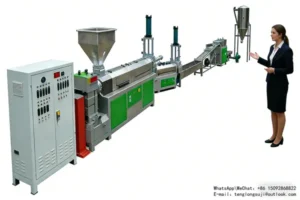
Plastic Bottle Recycling Machine
Conclusion
For small-scale recycling businesses, the right Plastic Bottle Recycling Machine is not just a piece of equipment—it’s an investment in long-term profitability and sustainability. By prioritizing cost balance, ease of use, and ROI, small recyclers can capitalize on the growing demand for recycled plastic while complying with global standards like GRS. The key is to avoid focusing solely on upfront costs and instead evaluate the total cost of ownership, as energy and maintenance expenses will have a greater impact on your bottom line over time.
Take Action Now
Low-threshold lead generation: Download our free 《Small-Scale Post-consumer Plastic Recycling Startup Guide》 now to access detailed cost breakdowns, ROI calculators, and GRS certification tips.
High-intent sales conversion: Contact us for a free business plan consultation. Our experts will help you design a profitable Post-consumer Plastic Recycling operation tailored to your budget and goals.