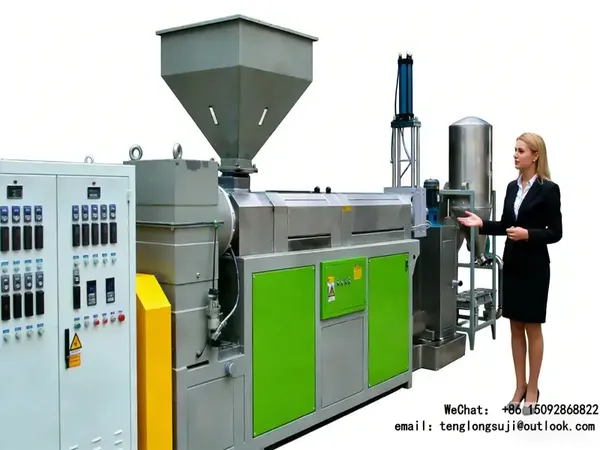
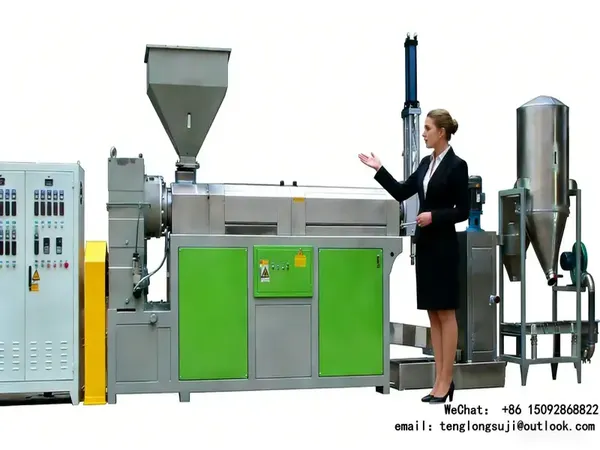
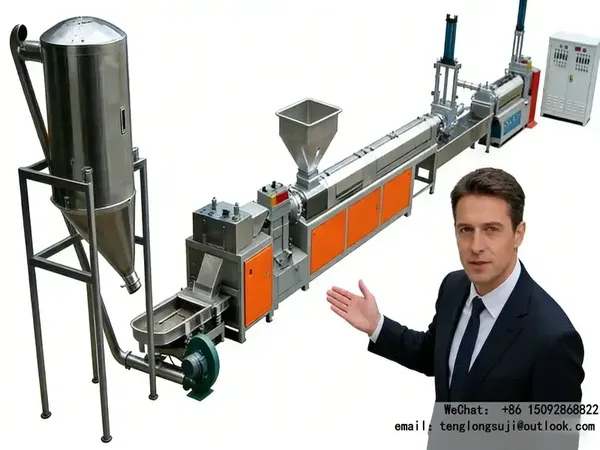
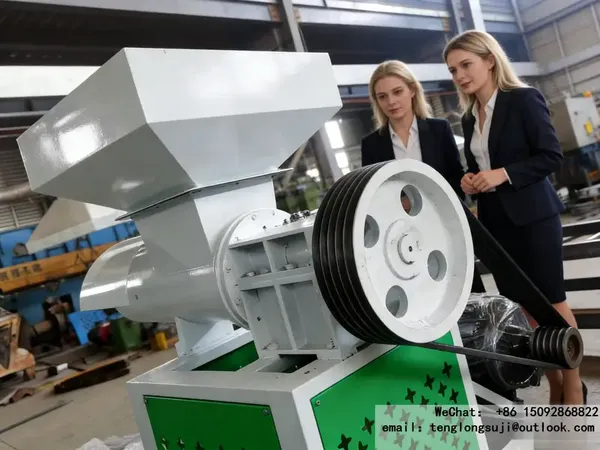
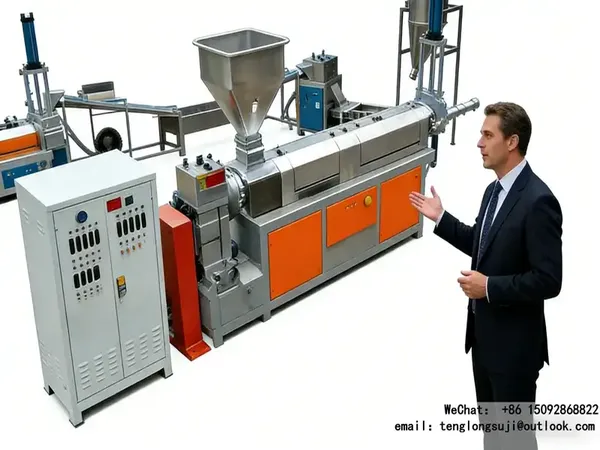
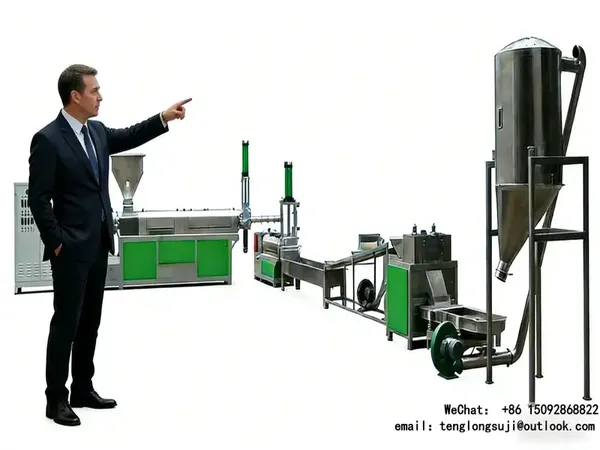
How to Optimize PE granulator Performance for High-Quality Recycled Pellets
High-quality recycled PE pellets are critical for market acceptance—particularly in the packaging, automotive, and construction industries. The PE granulator is the heart of the recycling line, and its performance directly impacts pellet quality, purity, and profitability. This article, based on 2026 technical insights and industry best practices, outlines actionable strategies to optimize PE granulator performance and maximize the quality of recycled PE pellets, while ensuring compatibility with PE Recycling Machine systems.
Key Factors Affecting PE granulator Performance in 2026
The performance of a PE granulator depends on four core factors: machine configuration, processing parameters, feedstock quality, and maintenance practices. Neglecting any of these factors can lead to poor pellet quality (inconsistent size, contamination, low IV retention rate) and reduced operational efficiency. Below is a detailed breakdown:
- PE granulator Configuration: Choose the Right Model for Your Needs
The choice of PE granulator model depends on the type of PE waste (HDPE/LDPE) and desired pellet quality. In 2026, the two most common models are water ring pelletizers and underwater pelletizers, each with distinct advantages:
- Water Ring Pelletizer: Ideal for HDPE waste (bottles, containers), produces pellets with consistent size (2-5 mm) and smooth surface. Suitable for small to medium-scale PE Recycling Machinelines, with low upfront costs and easy maintenance. Recommended for SMEs focused on standard-quality pellets.
- Underwater Pelletizer: Ideal for LDPE waste (film, bags) and high-quality pellet requirements. Produces uniform, dust-free pellets with high IV retention rate (≥93%), meeting food-grade and automotive standards. Suitable for large-scale PE Recycling Machinelines, with higher upfront costs but lower long-term waste.
Key configuration parameters to consider: die hole size (0.8-3 mm), rotor speed (1,500-3,000 rpm), and cooling system efficiency. For example, a PE granulator with a 2 mm die hole and 2,000 rpm rotor speed produces optimal pellets for packaging applications.
- Processing Parameter Optimization for PE granulator
Optimizing processing parameters is critical to maximizing PE granulator performance. The three key parameters to adjust are temperature, screw speed, and feeding rate—these directly impact pellet quality and energy consumption:
- Temperature: For HDPE, the optimal extrusion temperature is 180-200°C; for LDPE, it is 160-180°C. Excess temperature degrades the polymer, reducing IV retention rate and pellet strength; insufficient temperature leads to uneven melting and inconsistent pellet size.
- Screw Speed: Adjust screw speed based on feedstock type—150-250 rpm for HDPE, 200-300 rpm for LDPE. Higher speeds increase output but may reduce pellet quality; lower speeds improve quality but decrease efficiency. Balance is key.
- Feeding Rate: Maintain a consistent feeding rate (matched to PE Recycling Machineoutput) to avoid overloading the PE granulator. Uneven feeding leads to inconsistent pellet size and increased waste—use automatic feeding systems to ensure consistency.
- Feedstock Preparation: Ensure High-Quality Input for PE granulator
The quality of feedstock directly impacts PE granulator performance and pellet quality. To optimize results, follow these best practices for feedstock preparation:
- Sort and Clean: Remove non-PE impurities (metal, glass, PP, PVC) via manual or AI sorting. Clean PE waste to remove dirt, adhesives, and printing inks using a centrifugal separator or solvent-based cleaning module—this ensures pellet purity and reduces PE granulator
- Dry Feedstock: Ensure PE waste is dry (moisture content ≤0.5%) before processing. Moisture leads to pellet porosity and reduced strength, and can damage the PE granulator’s die and rotor.
- Size Reduction: Crush PE waste into small pieces (20-50 mm) before feeding into the PE granulator—this reduces load on the machine and improves melting efficiency.
- Regular Maintenance: Extend PE granulator Lifespan and Performance
Regular maintenance is essential to keep PE granulator systems running at peak performance. In 2026, industry best practices recommend the following maintenance schedule:
- Daily: Clean the die, rotor, and cooling system; check for abnormal noise or vibration; monitor pellet quality.
- Weekly: Inspect and lubricate bearings and gears; check screw alignment; clean the feed hopper.
- Monthly: Replace worn die plates and rotor blades; calibrate temperature and speed sensors; test IV retention rate and pellet size consistency.
A well-maintained PE granulator has a service life of 8-10 years, compared to 5-6 years for poorly maintained machines. Regular maintenance also reduces downtime by 35% and improves pellet quality consistency.
Case Study: Optimizing PE granulator Performance for Food-Grade Pellets
A German recycling company specializing in food-grade PE recycling optimized its PE granulator performance in 2026 by implementing the strategies above. The company upgraded to an underwaterPE granulator, adjusted extrusion temperature to 175°C for LDPE film, and implemented a strict feedstock cleaning and drying process. The result: pellet purity increased to 99.9%, IV retention rate reached 94%, and the company secured a long-term contract with a major food packaging firm—boosting revenue by 40%.
FAQ: PE granulator Performance Optimization in 2026
- Q: How to fix inconsistent pellet size in a PE granulator?A: Inconsistent pellet size is usually caused by uneven feeding, incorrect temperature, or worn die plates. Check and adjust the feeding rate, calibrate the extrusion temperature, and replace worn die plates if necessary.
- Q: What is the optimal IV retention rate for recycled PE pellets, and how to achieve it?A: The optimal IV retention rate is ≥92% for most applications. Achieve this by controlling extrusion temperature (avoid overheating), using high-quality feedstock, and maintaining the PE granulator’s screw and die in good condition.
- Q: Can a PE granulator be adjusted to process both HDPE and LDPE waste?A: Yes—most modern PE granulator models can be adjusted by changing the die hole size, temperature, and screw speed. However, it is recommended to dedicate separate machines to HDPE and LDPE to ensure optimal pellet quality.
- Q: How often should PE granulator die plates be replaced?A: Die plates should be replaced every 6-12 months, depending on usage and feedstock quality. Worn die plates cause uneven pellet size and reduce PE granulator efficiency.