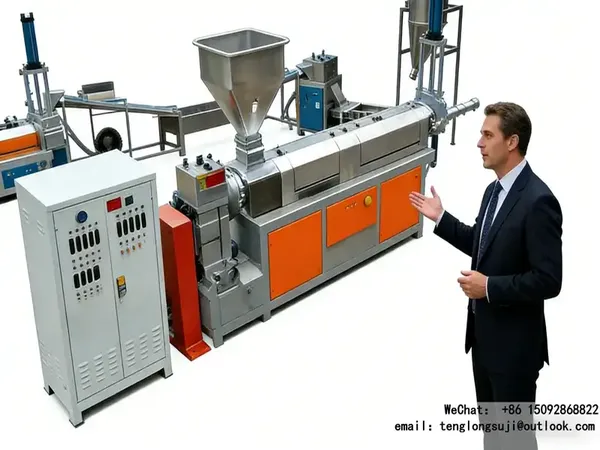
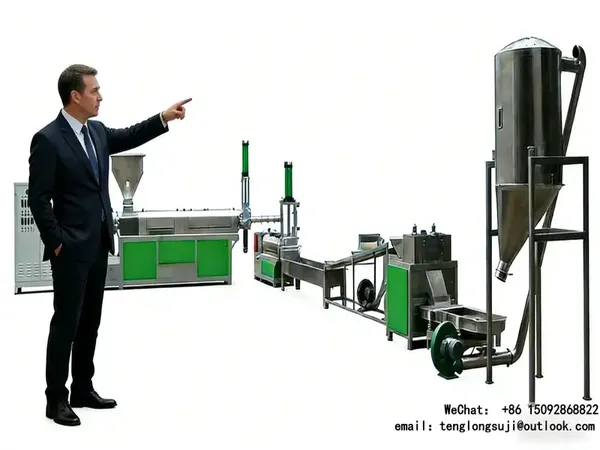
How to Choose the Right Plastic Granulator: 2026 Buyer’s Guide for B2B Enterprises
Picking the right Plastic Granulator isn’t complicated, but getting it wrong can cost you months of downtime and lost customers. In 2026, the market is full of options—different screw designs, energy ratings, pelletizing systems, and price points. Add tighter environmental rules and tougher buyer demands for clean, consistent pellets, and the stakes are higher than ever.
This guide walks you through what actually matters: matching the machine to your material, your volume, your energy costs, and your need for reliable support.
What to Look For in a Plastic Granulator (Before You Spend a Dime)
Before you start comparing prices, get clear on these four things. Skip this step, and you’ll likely end up with the wrong machine.
- Material Type – Because Not All Plastics Run the Same
Different plastics behave differently inside a granulator. Melt points, flow characteristics, and contamination levels all matter. Here’s a quick cheat sheet:
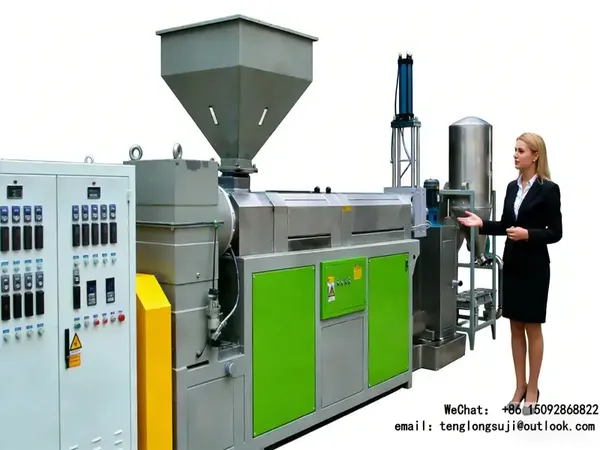
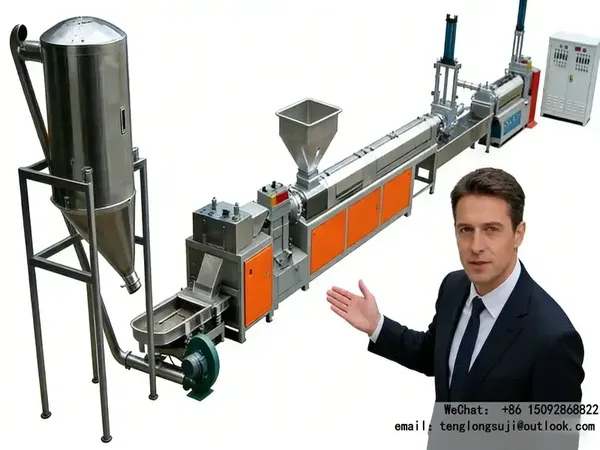
PET (bottles, food trays) – Needs high-temperature capability (250–270°C), good viscosity retention (IV), and serious decontamination. Look for a single-screw or twin-screw design (twin-screw mixes better) with a water ring pelletizing system. That keeps pellets clean and pure.
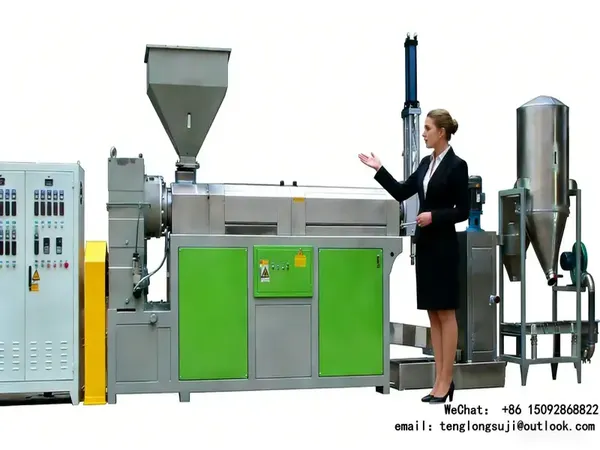
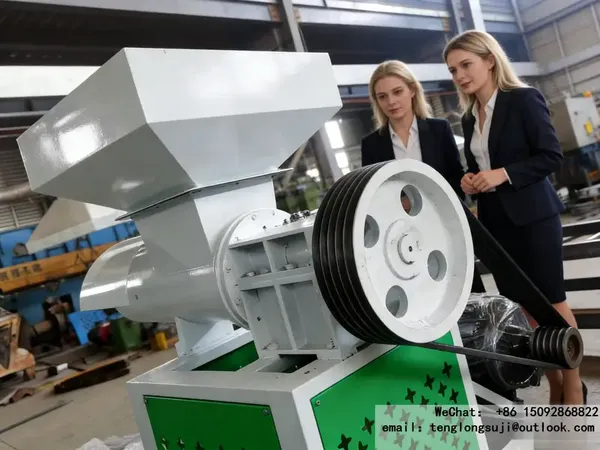
PP, PE, HDPE (containers, films, industrial parts) – Lower melt points (160–220°C), easier to run. A single-screw Plastic Granulator with air-cooled pelletizing works fine. Add a crusher upfront to pre-process waste and boost throughput.
Mixed plastics – If you’re handling different materials, don’t buy a one-trick machine. Get a dual-purpose or adjustable model with interchangeable screws and flexible temperature controls. Costs a bit more upfront but lets you take in whatever waste is available.
- Production Scale – Bigger Isn’t Always Better
Output is determined by screw diameter, speed, and motor power. Here’s what’s typical in 2026:
| Machine Type | Screw Diameter (mm) | Output (kg/h) | Power (kW) | Suitable Business Scale |
| Small Plastic Granulator | 40-50 | 50-100 | 15-22 | Start-ups, small recycling workshops |
| Medium Plastic Granulator | 65-80 | 150-300 | 30-55 | Medium-sized recycling enterprises |
| Large Plastic Granulator | 90-120 | 400-800 | 75-110 | Large-scale recycling plants, industrial waste treatment |
Match the machine to your daily intake. Oversizing wastes money on power. Undersizing leaves material piled up.
- Energy Efficiency – Because Power Bills Eat Profits
In 2026, energy efficiency isn’t a nice-to-have—it’s a must. A good Plastic Granulator should save at least 15% on energy compared to older models. Look for:
Heat recovery units (HRUs) – Capture waste heat from extrusion and reuse it. Lowers your bill and your carbon footprint.
Energy-efficient motors – Standard on better machines now.
Voltage stabilization – Important if your local grid is unstable (common in many regions).
Also, check local emissions rules—EU’s REACH, China’s GB/T standards, etc. Non-compliant equipment can get you fined or blocked from selling into certain markets.
- After-Sales Support – The Thing Most Buyers Forget
A Plastic Granulator typically lasts 5–8 years. But it will need maintenance, spare parts, and occasional repairs. Ask these questions before you buy:
Do they offer on-site installation and training?
Is there 24/7 technical support?
How fast can you get a replacement screw, barrel, or cutting knife?
Do they have local technicians, or will you wait weeks for someone to fly in?
Downtime kills revenue. Pay a little more for real support.
Common Mistakes That Cost Recyclers Money
Buying on price alone – Cheap machines break. Quality suffers. You lose customers. Over a year, the “savings” disappear into repair bills and lost production.
Ignoring material compatibility – Running PET through a PP machine? You’ll get bad pellets, wasted material, and angry buyers. Match the machine to your main feedstock.
Skipping compliance checks – If you want to sell recycled pellets into Europe or North America, you’ll need GRS or ISCC certification. Not every granulator can hit the required purity levels.
Not checking after-sales – A supplier who disappears after the sale will leave you stranded when something breaks. Ask for references. Check their service response times.
FAQ – Choosing a Plastic Granulator in 2026
Q: Single-screw or twin-screw – which is better?
A: Single-screw is simpler and cheaper. Works well for one or two plastic types like PP and PE. Twin-screw gives better mixing and plasticizing—good for mixed plastics or high-purity jobs like PET. Costs more, but worth it for tough applications.
Q: How much is a medium-sized Plastic Granulator in 2026?
A: Anywhere from $35,000 to $80,000 USD. Price depends on brand, smart controls, energy-saving features, and after-sales support. Spending more upfront usually saves you money over 3–5 years.
Q: Can I get a custom-built Plastic Granulator?
A: Yes. Most professional manufacturers offer custom screw designs, output adjustments, and pellet size options. If you have unusual material or a specific production target, ask about custom builds.
Q: What’s the yearly maintenance cost?
A: Plan on 5–8% of the machine’s price per year. That covers spare parts (screws, barrels, knives), lubrication, cleaning, and routine checks. Regular maintenance pays for itself by avoiding major breakdowns.
If you’re shopping for a Plastic Granulator and want to avoid the usual mistakes, tell us your setup—material type, daily volume, power costs, and target market. We’ll help you figure out what actually works.