Carbon Tariff Drives the Upgrade of the Plastic Granulator Industry, with Green Intelligence as the Core Competitiveness
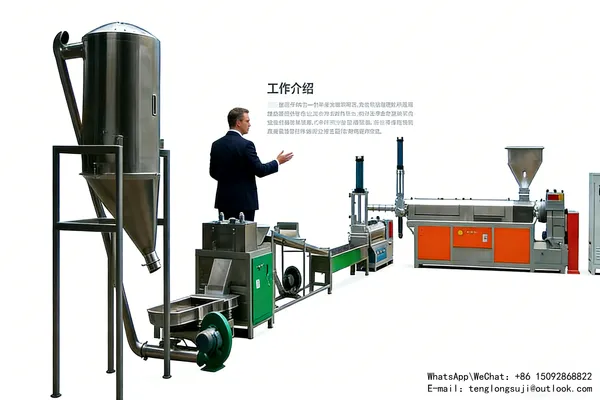
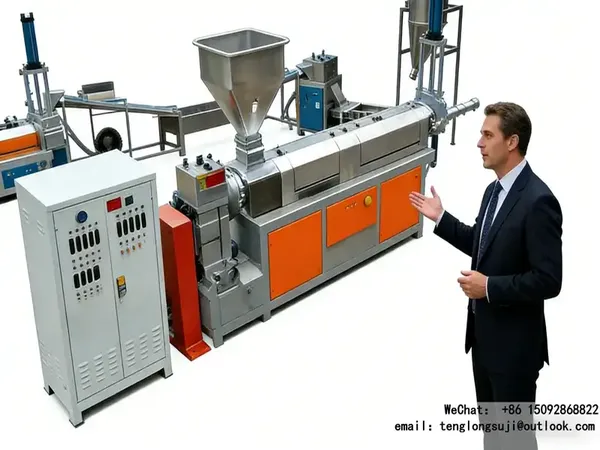
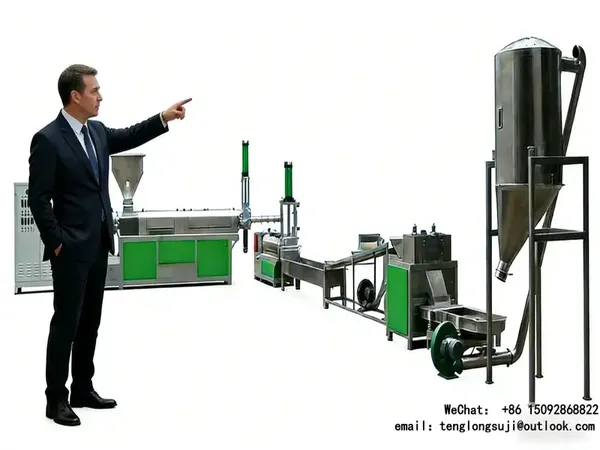
Against the backdrop of the global “dual carbon” strategy’s in-depth advancement and the normalization of plastic pollution control, the plastic recycling industry has ushered in a new round of development opportunities. As the core equipment for waste plastic resource utilization, the Plastic granulator directly determines the development quality and scale of the plastic recycling industry through its technological iteration speed and rational industrial layout. In 2026, with the full implementation of the EU CBAM carbon tariff, the continuous tightening of domestic environmental protection standards, and the in-depth penetration of intelligent technologies, the Plastic granulator industry is accelerating its shift from extensive “scale expansion” to intensive “quality improvement, compliance, and efficiency”. Greenization, intelligence, and compliance have become the core bottom line for enterprises’ survival and development, triggering a profound restructuring of the industry competition pattern.
CBAM Carbon Tariff Takes Effect, Plastic Granulator Exports Face Compliance Challenges
The full implementation of the EU CBAM carbon tariff in 2026 has directly impacted China’s Plastic granulator export market, marking a critical turning point for the industry. According to the policy’s explicit requirements, plastic machinery has been officially included in the scope of indirect emission accounting. All Plastic granulators exported to Europe must provide a full-lifecycle carbon footprint certification report, clearly documenting carbon emission data throughout equipment production and operation. Equipment failing to meet EU carbon emission standards will incur an additional 18.5% carbon tax and be denied access to the European market.
Latest statistics from the General Administration of Customs show that China’s exports of Plastic granulators to Europe dropped by 24.3% year-on-year in the first half of 2026, with traditional high-energy-consuming single-screw granulators seeing the sharpest decline—over 30%. The core issue lies in the inherent shortcomings of traditional Plastic granulators: high energy consumption and excessive carbon emission intensity. Most units far exceed EU limit standards in terms of unit product carbon emissions and lack a comprehensive carbon footprint tracking and accounting system, making them non-compliant with CBAM requirements and ultimately excluded from the European market.
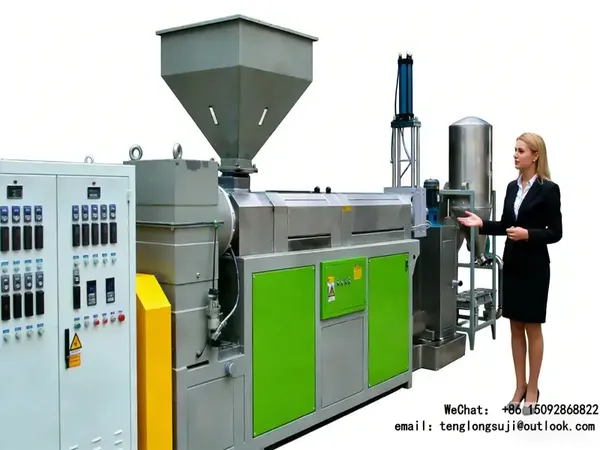
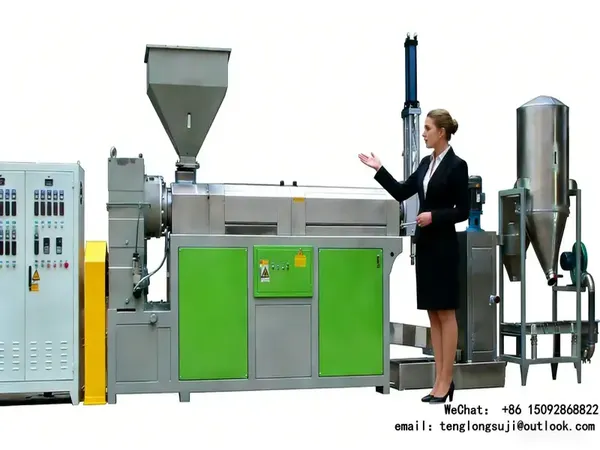
To address this challenge, leading domestic Plastic granulator enterprises have taken proactive measures to accelerate low-carbon equipment upgrades and seize compliant export opportunities. For instance, the KZD-85Eco series Plastic granulator launched by KeYa Group features a fully enclosed barrel structure, nitrogen protection system, and high-efficiency waste heat recovery module—recycling waste heat from the extrusion section for raw material pre-drying. With a comprehensive energy consumption of 285kWh/t and a carbon emission intensity as low as 0.98 tons of CO₂/t, the model has successfully passed authoritative TüV Süd certification, fully qualifying for European exports. Its exports to Europe increased by 18.7% year-on-year in the first half of 2026, establishing it as a benchmark for counter-trend growth in the industry.
Accelerated Technological Iteration, Green and Intelligent Plastic Granulators Become Mainstream in the Market
Driven by both policy pressures and downstream market demands, Plastic granulator technology is evolving at an unprecedented pace, with greenization and intelligence emerging as the core upgrade directions. Among these, energy-saving Plastic granulators—a key long-tail keyword—have become a priority for enterprise R&D and product layout, as well as the preferred choice for downstream plastic recycling enterprises, aligning with environmental compliance requirements while effectively reducing operational costs.
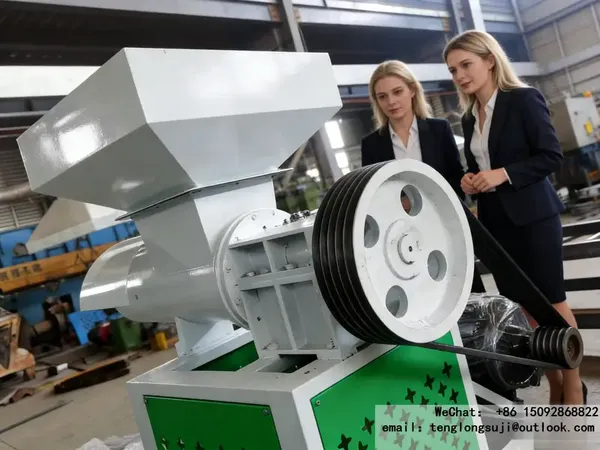
In terms of green upgrading, beyond the widespread adoption of waste heat recovery technology, significant breakthroughs have been made in the lightweight design and remanufacturing of Plastic granulators. Current mainstream models use high-strength aluminum alloy frames instead of traditional cast iron, reducing overall weight by 18% and cutting carbon emissions during manufacturing by approximately 120kg per unit. For core wear-prone components such as screws and barrels, laser cladding repair technology is widely applied, enabling 3-5 cycles of reuse and reducing the equipment’s full-lifecycle carbon footprint by 22%. Additionally, low-temperature shearing technology has become standard for Plastic granulators, with a temperature control accuracy of ±2℃, effectively suppressing the emission of harmful gases like dioxins and fully meeting the strict requirements of “emission indicators 20% better than national standards” outlined in China’s new environmental regulations implemented in April 2026.
In terms of intelligent upgrading, AI + IoT technology has fully integrated into the design, production, operation, and maintenance of Plastic granulators. The new generation of Plastic granulators is equipped with edge computing gateways, capable of collecting over 200 operational parameters in real time (e.g., temperature, pressure, current, emission concentration), automatically generating electronic ledgers compliant with the “Pollutant Discharge Permit Administration Regulations”, and enabling remote monitoring and maintenance—greatly reducing manual management costs. High-end models also integrate AI intelligent early warning modules: upon detecting abnormalities such as irregular melt temperature or decreased vacuum, the system automatically triggers speed reduction protection and sends precise maintenance recommendations to managers, significantly lowering equipment failure rates and improving production continuity and efficiency. For example, Jinwell’s intelligent Plastic granulator uses digital twin technology for operational simulation and parameter optimization, increasing comprehensive production efficiency by 25% and reducing maintenance costs by 30%—gaining widespread recognition among large downstream recycling enterprises.
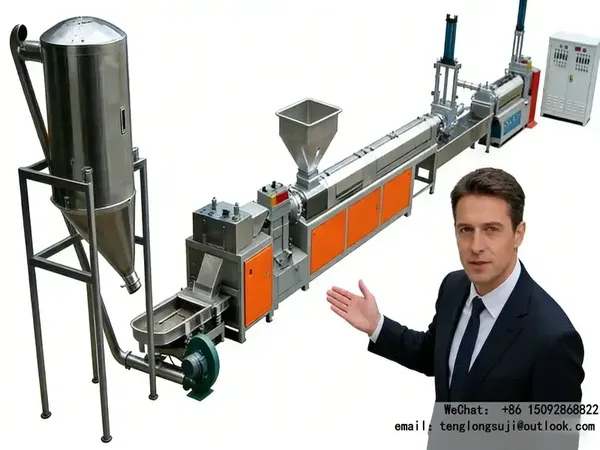
Furthermore, the compatibility and precision processing capabilities of Plastic granulators have continuously improved, accurately meeting the diverse needs of downstream recycling enterprises. To address the industry pain point of high impurities and complex components in recycled materials, enterprises have optimized screw configurations and mixing processes, launching flexible granulation units compatible with various waste plastics (e.g., PET, PVC, PE). These units effectively solve issues such as high black spot rates, insufficient melt strength, and unstable product quality associated with traditional equipment. Additionally, laser impurity identification and high-speed pneumatic rejection devices at the die outlet intercept impurity particles ≥50μm with 99.3% accuracy, ensuring recycled particle quality and meeting the requirements of high-end plastic product processing.
Industry Pattern Restructuring, Compliance and Innovation Become Core Competitiveness of Enterprises
In 2026, the Plastic granulator industry is undergoing a dramatic restructuring. Surging environmental compliance costs have accelerated the exit of small and medium-sized (SME) production capacity, while leading enterprises continue to expand their market share through technological and compliance advantages, driving up industry concentration. According to the latest data from CCID Consulting, the number of national Plastic granulator manufacturers decreased by 31% in 2024 compared to 2021, while the industry CR5 (market share of the top five enterprises) rose from 38% to 52%. This proportion is expected to exceed 60% by the end of 2026, highlighting the industry’s shift toward large-scale and centralized development.
SMEs currently face a core dilemma: insufficient R&D investment and weak technological capabilities prevent them from rapidly upgrading equipment to meet low-carbon and intelligent requirements, making it difficult to comply with both CBAM carbon tariffs and domestic environmental regulations. As a result, many are either eliminated from the market or transformed into segmented supporting enterprises, focusing on low-end component production. In contrast, leading Plastic granulator enterprises are accelerating their transformation from single equipment sales to an integrated service model of “equipment + operation + carbon asset management”. They provide downstream recycling enterprises with end-to-end solutions, including equipment customization, carbon footprint accounting, green certification support, and after-sales maintenance—helping customers reduce comprehensive operational costs, shorten investment return cycles, and enhance market competitiveness.
From a regional perspective, the Yangtze River Delta and Pearl River Delta regions have become core hubs for Plastic granulator industry upgrading, leading the industry’s green and intelligent development. The Yangtze River Delta has implemented VOCs emission limits 30% stricter than national standards, forcing local Plastic granulator enterprises to increase environmental technology investment and pushing the penetration rate of energy-saving Plastic granulators to over 70%. Leveraging the “carbon inclusion” mechanism, the Pearl River Delta actively encourages enterprises to adopt new energy-saving and low-carbon Plastic granulators, establishing a blockchain-based full-lifecycle digital traceability system to meet the supply chain access requirements of large downstream enterprises. The central and western regions have introduced “green electricity price” incentives to reject pollution transfer, ensuring that relocated Plastic granulator projects meet national first-class clean production standards and promoting regional green development.
Industry Future Outlook: Low-Carbonization, Intelligence and Intensification Become the Main Development Lines
Looking ahead to the second half of 2026 and beyond, the Plastic granulator industry will continue to develop steadily around the three core directions of “low-carbon, intelligent, and compliant”. With the continuous implementation and deepening of the EU CBAM carbon tariff policy, the global Plastic granulator industry will officially enter the era of “carbon efficiency competition”. Carbon footprint certification will become a prerequisite for European exports, and enterprises with low-carbon technological advantages and strong compliance capabilities will gradually dominate the global market.
Technologically, the coordinated development of chemical and physical recycling will further drive Plastic granulator upgrading. Specialized granulation equipment for mixed waste plastics and high-end engineering plastics (e.g., PEEK) will become a key R&D focus, filling domestic technological gaps and expanding Plastic granulator application scenarios. Meanwhile, intelligent technologies will advance toward in-depth application: digital twin, AI adaptive control, and other advanced technologies will be widely adopted, enabling Plastic granulators to achieve “unmanned operation and intelligent regulation”, further improving production efficiency, product quality, and reducing operational costs.
Policy-wise, China will further improve the standard system for the plastic recycling and Plastic granulator industries, accelerating the implementation of mandatory recycled plastic usage ratios. It is expected that the proportion of recycled materials in rigid PVC products will not be less than 25% by 2027, further driving demand for Plastic granulators—especially for models specialized in recycled materials. Additionally, the national carbon market is expected to expand to the plastic processing sector in 2027, with equipment carbon efficiency becoming a key factor in enterprise carbon quota allocation. This will further strengthen the rigid constraints of environmental standards on Plastic granulator technological iteration, promoting high-quality industry development.
FAQ Module (Focusing on Users’ Core Pain Points)
- What CBAM carbon tariff-related requirements must Plastic granulators exported to Europe meet in 2026?The core requirement is to provide a full-lifecycle carbon footprint certification report, documenting carbon emission data throughout equipment production and operation to ensure unit product carbon emissions meet EU limits. Non-compliant equipment will face an additional 18.5% carbon tax and be denied European market access. We recommend downstream enterprises prioritize Plastic granulatorswith mature low-carbon technologies certified by authoritative bodies such as TüV Süd to mitigate export compliance risks.
- What are the core advantages of energy-saving Plastic granulators compared with traditional models?Core advantages include three key aspects: (1) 15%-30% lower energy consumption, significantly reducing enterprise operational costs; (2) carbon emission intensity compliant with domestic/foreign environmental policies and CBAM carbon tariffs, ensuring broader adaptability; (3) advanced technologies such as waste heat recovery and intelligent temperature control, enhancing operational stability, reducing harmful gas emissions, lowering environmental assessment risks, and supporting enterprises in achieving green production.
- How should small and medium-sized plastic recycling enterprises choose suitable Plastic granulators?Selection should align with actual production capacity, raw material types (e.g., PET, PVC recycled materials), and compliance needs: For domestic-focused operations, prioritize mid-range Plastic granulatorsthat meet new domestic environmental standards and offer high cost-effectiveness, balancing practicality and compliance. For export-oriented businesses, focus on high-end models with carbon footprint certification, low-carbon, and energy-saving features to meet EU CBAM requirements. Additionally, consider equipment compatibility and maintenance convenience to reduce long-term operational costs.
- What are the policy dividends for the Plastic granulator industry in 2026?There are three main categories: (1) Tax incentives: Purchasing Plastic granulatorslisted in the “Catalogue of Environmental Protection Special Equipment for Enterprise Income Tax Preferential Treatment” qualifies for a 10% tax credit on investment. (2) Policy subsidies: Enterprises with green factory or green supply chain certifications are eligible for green credit support and special subsidies. (3) Regional incentives: Core regions such as the Yangtze River Delta and Pearl River Delta offer special incentives for promoting energy-saving Plastic granulators, helping enterprises reduce upgrade costs.
- What practical benefits can the intelligent upgrading of Plastic granulators bring to enterprises?Intelligent upgrading delivers multiple tangible benefits: (1) Reduces manual maintenance costs by over 30%; (2) Improves production efficiency and product qualification rates, reducing raw material waste and boosting profitability; (3) Automatically generates compliant electronic ledgers, lowering environmental supervision risks and avoiding penalties; (4) Facilitates carbon footprint statistics and accounting, helping enterprises meet export and domestic compliance requirements and enhance market competitiveness.