4/2026 PS Granulator: Technical Principles, Parameter Comparison & Energy Efficiency
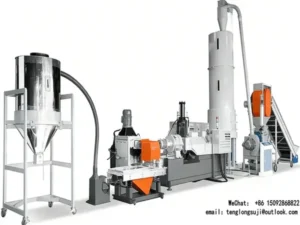
Environmental project engineers and procurement personnel are tasked with selecting PS Granulator models that balance processing efficiency, energy consumption, and technical performance. In 2026, with the EU SUP Directive mandating a 15% reduction in energy use for plastic recycling by 2028, the PS Granulator’s energy efficiency ratio has become a critical selection criterion. This article, focused on engineers, delves into technical principles, parameter comparisons, and energy-saving strategies, while addressing the cost and quality concerns of small enterprise owners and manufacturing buyers.
Technical Principles of 2026 PS Granulator
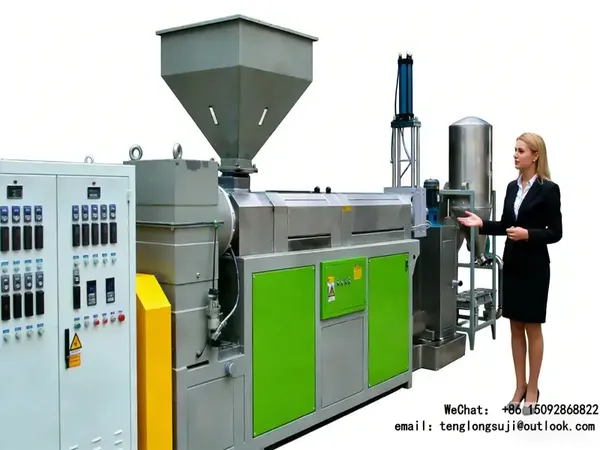
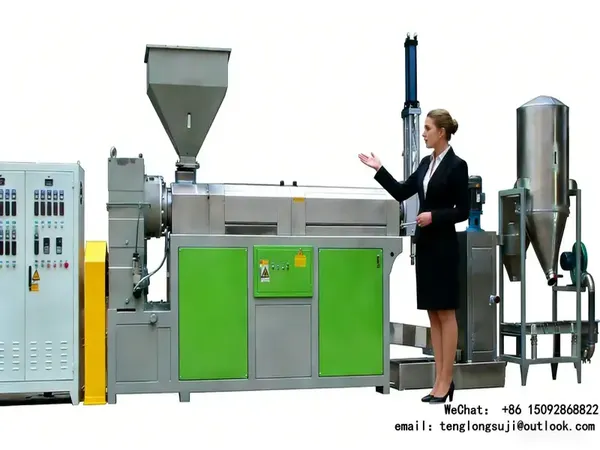
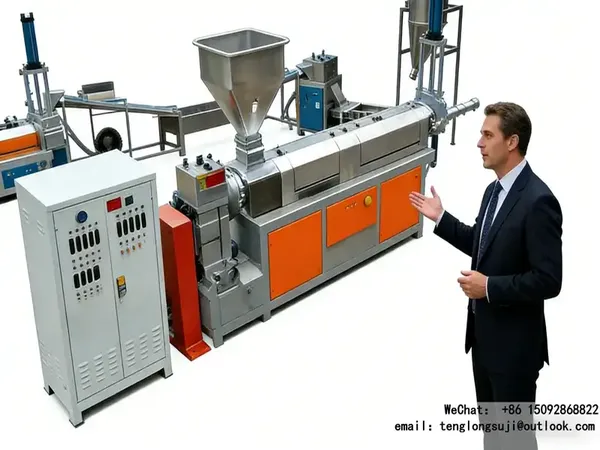
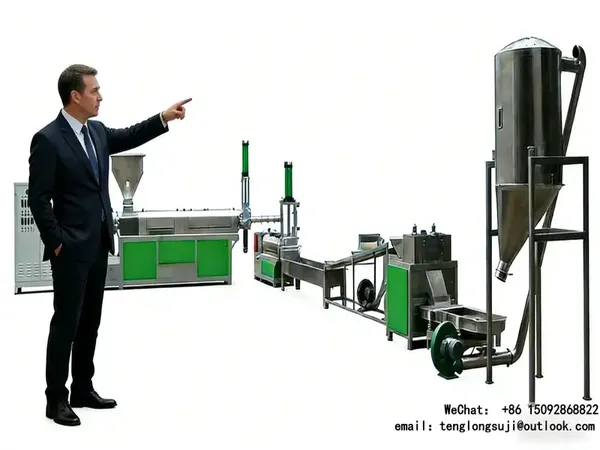
A PS Granulator converts PS waste (EPS foam, rigid PS, scrap) into uniform pellets through four core stages—understanding these principles is key to optimizing performance, troubleshooting issues, and maximizing efficiency:
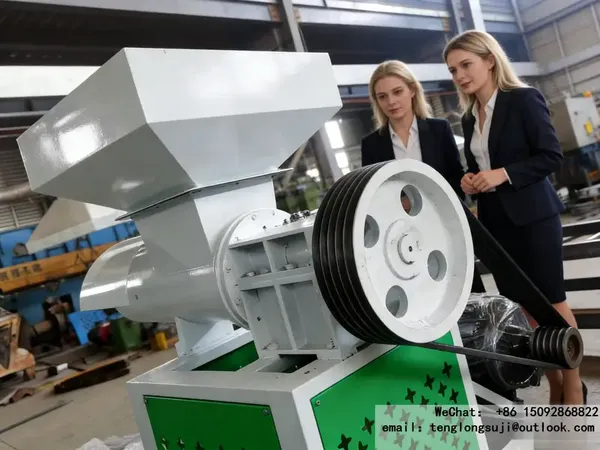
- Feeding & Preprocessing: PS waste is fed into the granulator’s hopper, where a pre-shredder breaks down large pieces (e.g., EPS blocks) into 5-10mm fragments. For EPS foam, a densification step reduces volume by 90%, lowering storage and transportation costs—especially beneficial for small enterprises with limited space. This step also removes large impurities (e.g., plastic bags, metal fragments) that could damage the machine.
- Melting & Degassing: The fragmented PS is melted in a heated barrel (160-220℃) by a screw that transports and mixes the material. A degassing port removes moisture and volatile compounds (e.g., styrene monomers), ensuring pellet quality and compliance with EU emission standards (benzene and styrene emissions ≤0.1 mg/m³). Proper degassing also prevents bubbles in the final pellets, which degrade their quality.
- Extrusion & Granulation: The molten PS is extruded through a die head with precision holes (2-4mm), then cut into uniform pellets by a rotating blade. The cutting speed (1,500-2,000 RPM) directly determines pellet size uniformity—faster speeds produce smaller pellets, while slower speeds produce larger ones. Advanced models feature adjustable blade speed for customizable pellet sizes.
- Post-Processing: Pellets are cooled (via water or air cooling), dried (80-100℃), and screened to remove fine debris—ensuring they meet the quality standards required by manufacturing buyers. Water cooling is faster and more efficient for high-volume operations, while air cooling is ideal for small-scale models and reduces water consumption.
2026 PS Granulator Parameter Comparison (Engineer Focus)
Engineers must select PS Granulator parameters based on project scale, PS waste type, and energy efficiency goals. Below is a comparison of three mainstream 2026 models, with a focus on technical performance and suitability for different operations:
| Model | Screw Diameter (mm) | Daily Output (Tonnes) | Energy Consumption (kWh/kg) | Energy Efficiency Ratio | Suitable Application |
| PSG-300 (Small) | 35 | 0.8-1.2 | 7.0 | 0.82 | Small-scale recycling (EPS foam, small rigid PS scrap) |
| PSG-600 (Medium) | 50 | 2.5-3.5 | 6.2 | 0.86 | Medium enterprises (mixed PS waste, semi-industrial scale) |
| PSG-1200 (Large) | 65 | 6-8 | 5.5 | 0.91 | Industrial recycling (high-volume rigid PS, industrial PS waste) |
Critical Parameter Explanations for Engineers:
Energy Efficiency Ratio: Calculated as (effective energy for melting PS ÷ total energy consumption), a ratio ≥0.85 meets the 2026 EU SUP Directive’s energy-saving requirements. The PSG-1200’s 0.91 ratio translates to 15% lower energy use than 2025 models, helping enterprises avoid non-compliance penalties and reduce long-term operational costs.
Screw Diameter & Output Matching: For small enterprises, the PSG-300’s 35mm screw balances output and energy efficiency—its 0.8-1.2 tonnes/day output aligns with small-scale waste collection capacities, avoiding over-investment in equipment that exceeds daily needs. For industrial operations, the PSG-1200’s 65mm screw enables high-volume processing without sacrificing pellet quality.
Energy Consumption Benchmark: The 2026 industry average energy consumption for PS Granulators is 6.5 kWh/kg. Models with consumption ≤6.0 kWh/kg (e.g., PSG-600, PSG-1200) are classified as “energy-efficient” and qualify for EU green incentives (up to 10% of equipment investment), a key consideration for procurement personnel.
Energy-Saving Strategies for 2026 PS Granulator (Engineer Focus)
With the EU SUP Directive mandating a 15% reduction in energy use for plastic recycling by 2028, optimizing the PS Granulator’s energy efficiency is a top priority for engineers. Below are actionable, engineer-vetted strategies to reduce energy consumption while maintaining processing efficiency and pellet quality:
Equipment Optimization
- Upgrade to Variable Frequency Drive (VFD) Systems: VFD adjusts the screw speed and motor power based on real-time processing demands—reducing energy consumption by 10-12% compared to fixed-speed systems. For example, during periods of low material feeding, the VFD automatically reduces motor power, avoiding energy waste from idle operation. This upgrade is cost-effective for both new and existing PS Granulators, with a payback period of 8-10 months.
- Insulate the Heating Barrel: Use high-temperature ceramic insulation sleeves to reduce heat loss from the barrel (160-220℃). This cuts energy consumption by 8-10% by minimizing the need for the heating system to compensate for heat loss. Insulation also protects operators from high temperatures, improving workplace safety—a secondary benefit for enterprise owners.
- Adopt Energy-Saving Screw Designs: Choose screws with optimized flight geometry (e.g., barrier screws) that enhance melting efficiency and reduce shear heat. These screws require 5-8% less energy to melt PS waste, while also improving pellet uniformity by ensuring consistent mixing. Barrier screws are particularly effective for processing mixed PS waste, as they handle variations in material density more efficiently.
Operational Optimization
- Optimize Melting Temperature Zones: Fine-tune the segmented heating temperatures to match the PS waste type: for EPS foam (lower density), reduce the feeding section temperature to 150-170℃; for rigid PS (higher density), maintain the homogenization section at 210-220℃. This reduces unnecessary energy use while preventing overheating (which degrades pellet quality) and underheating (which increases processing time).
- Implement Batch Processing for Small-Scale Operations: For small enterprises using the PSG-300, process PS waste in batches (0.2-0.3 tonnes per batch) instead of continuous feeding. This ensures the granulator operates at full load (avoiding energy waste from partial load operation) and reduces wear on the screw and motor, extending equipment life.
- Recover and Reuse Waste Heat: Integrate a heat recovery system to capture waste heat from the cooling process (80-100℃) and reuse it for preheating the PS waste or the heating barrel. This reduces energy consumption by 12-15% and aligns with the EU’s sustainability goals. For large-scale operations (PSG-1200), heat recovery can also be used to heat the workshop, further reducing energy costs.
PS Granulator
PS Granulator vs. PS Recycling Machine: Key Differences & Selection Guidance
Engineers and procurement personnel often confusePS Granulator and PS Recycling Machine—while both produce recycled PS pellets, their core functions, scope, and suitability differ significantly. Below is a clear comparison to help you select the right equipment for your needs:
| Feature | PS Granulator | PS Recycling Machine |
| Core Function | Converts pre-processed PS waste into uniform pellets (focus on granulation) | Complete recycling line: pre-sorting, shredding, melting, granulation, and post-processing |
| Energy Consumption | Lower (5.5-7.0 kWh/kg) – requires pre-processed, clean PS waste | Higher (5.8-7.2 kWh/kg) – includes energy for pre-processing and decontamination |
| Suitability | Enterprises with pre-processed PS waste (e.g., manufacturing plants with PS scrap) | Recycling enterprises handling mixed, unprocessed PS waste (e.g., EPS foam, post-consumer scrap) |
| Initial Investment | Lower (35,000-80,000 EUR) – focused on granulation only | Higher (42,000-120,000 EUR) – complete recycling line |
FAQ: PS Granulator Selection & Energy Efficiency
- Q: What is the minimum energy efficiency ratio required to comply with the 2026 EU SUP Directive?
A: The EU SUP Directive 2026 requires a minimum energy efficiency ratio of 0.85 for PS Granulators. All three mainstream 2026 models (PSG-300, PSG-600, PSG-1200) meet this standard, but the PSG-1200 (0.91) is recommended for enterprises seeking EU green incentives and long-term energy savings. - Q: Can a PS Granulator process contaminated PS waste (e.g., food-stained PS)?
A: No. PS Granulators require pre-processed, clean PS waste (contamination ≤0.5%) to avoid equipment damage and pellet quality issues. For contaminated waste, a full PS Recycling Machine with decontamination modules is necessary—this ensures impurities are removed before granulation. - Q: How much energy can I save by upgrading to an energy-efficient PS Granulator?
A: Upgrading from a 2025 model (average 7.5 kWh/kg) to a 2026 energy-efficient model (e.g., PSG-600, 6.2 kWh/kg) saves 17% on energy costs. For a medium enterprise processing 3 tonnes/day, this translates to ~1,200 EUR in monthly savings—significantly reducing operational expenses for small and medium enterprises. - Q: What is the service life of a 2026 PS Granulator, and how to extend it?
A: Mainstream 2026 PS Granulators have a service life of 8-10 years. To extend this, clean the screw and barrel every 2 weeks, replace wear parts (e.g., screw flights, cutting blades) every 6-12 months, and avoid processing overly hard materials (e.g., metal-contaminated PS) that can damage the equipment.
Conclusion
The 2026 PS Granulator is a critical piece of equipment for engineers and procurement personnel tasked with balancing efficiency, energy consumption, and compliance. By understanding its technical principles, selecting the right parameters for your application, and implementing energy-saving strategies, you can meet EU SUP Directive requirements, reduce operational costs, and produce high-quality recycled PS pellets. The key is to match the granulator model to your waste type and processing scale—whether you’re a small enterprise with pre-processed scrap or an industrial operation handling high-volume PS waste.
Call to Action
- Low Threshold: Download our 《2026 PS Granulator Energy-Saving Manual》to access detailed parameter optimization guides and energy-saving checklists tailored to engineers.
• High Intent: Contact our team for a free technical consultation and customized PS Granulator quotation—we help you select the right model to meet compliance, efficiency, and cost goals.