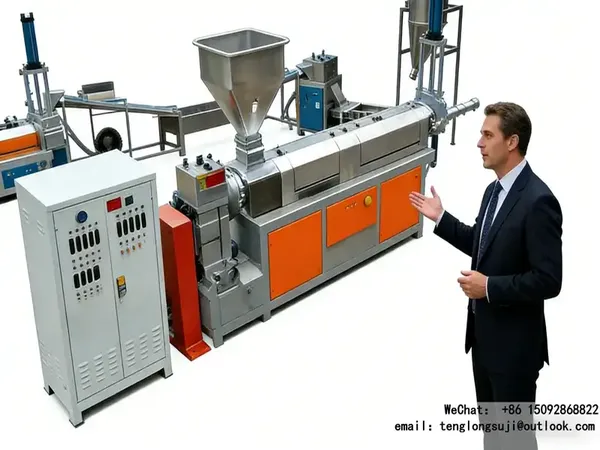
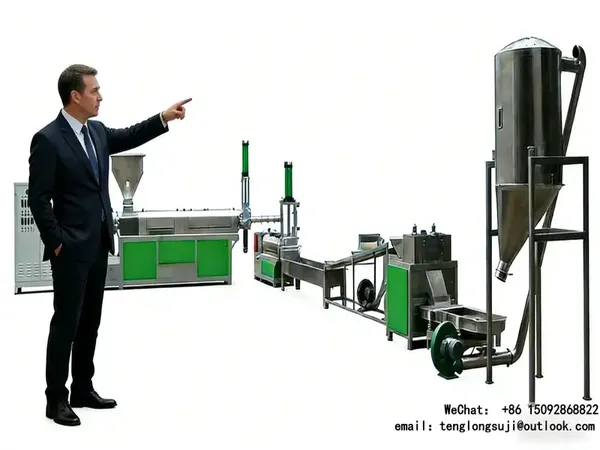
4/2026 PP Granulator Applications: From PET Bottles to Multi-Material Recycling
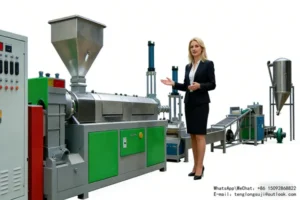
April 7, 2026 – The PP Granulator is a versatile piece of equipment that plays a critical role in the recycling of various plastic materials, with a growing focus on PET bottle recycling (a key application for many recyclers). As the EU mandates that PET beverage bottles contain at least 30% recycled content by 2030, and the US requires 25% by 2029, the demand for PP Granulator capable of processing PET bottles (alongside PP) has surged. In 2026, PET bottle recycling accounts for 38% of all plastic recycling operations, making it a key revenue stream for recyclers using PP Granulator.
PET Bottle Recycling: How PP Granulator Delivers High-Quality rPET
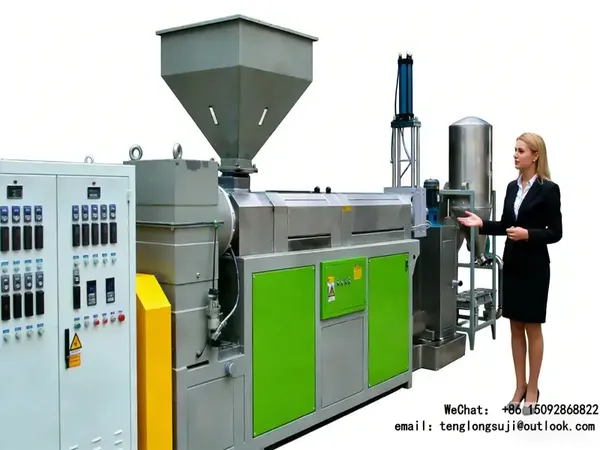
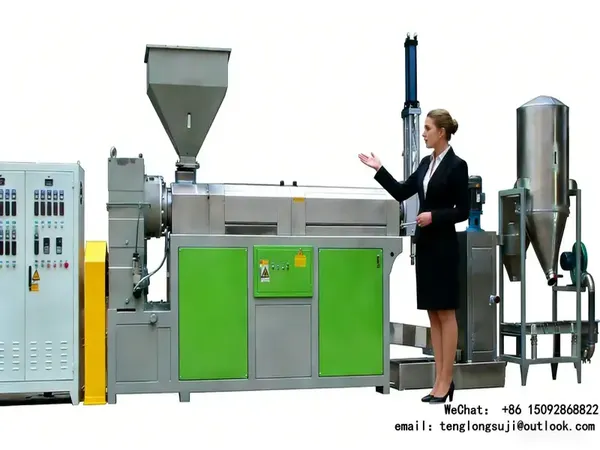
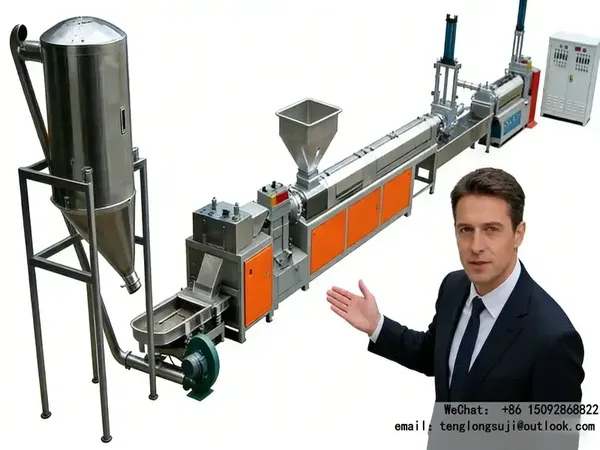
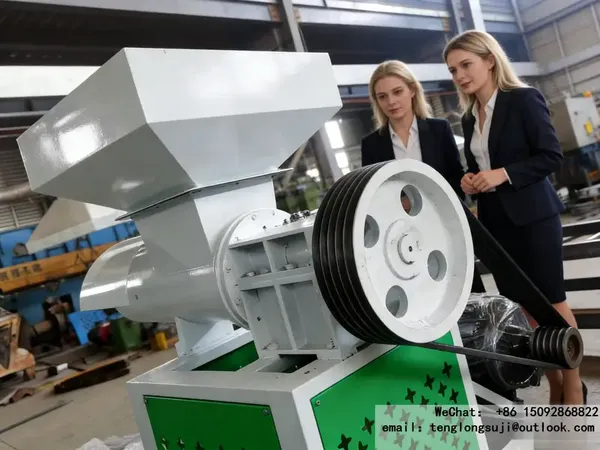
While PP Granulator is primarily designed for PP waste, modern models are versatile enough to process PET bottles with minor adjustments—making them a cost-effective solution for recyclers looking to diversify their operations and capitalize on the growing PET recycling market. Processing PET bottles requires aPP Granulator with specialized components to handle the material’s unique properties, including its rigidity and tendency to absorb moisture. The recycling process for PET bottles using a PP Granulator involves four key steps:
- Sorting: Separating PET bottles from other plastic types (PP, PE) using automated sorting systems or manual labor. This prevents cross-contamination and ensures high-purity rPET that meets market standards.
- Washing: Removing labels, caps, and contaminants (food residues, dirt) using a PP Granulatorwith high-speed friction washers and Centrifugal Separator. This step achieves a Decontamination Efficiency of ≥98.5%—critical for food-contact applications.
- Granulation: Feeding cleaned PET bottles into the PP Granulator’s granulation unit, which uses a Water Ring Pelletizerto produce uniform rPET pellets with a particle size of 2-3mm. The PP Granulator’s rotor speed is adjusted to 800-1000 RPM to ensure optimal pellet quality and consistency.
- Drying: Removing moisture from rPET pellets using a heat dryer integrated with the PP Granulator, ensuring the moisture content is ≤1%—a critical requirement for food packaging and other high-value applications.
A medium-sized PP Granulator can process 180-450 kg of PET bottles per hour, producing rPET pellets that meet GRS and ISCC certifications. These pellets are used to make new bottles (bottle-to-bottle recycling), textile fibers, and packaging materials. A Florida-based recycling facility uses a PP Granulator to process both PP waste and PET bottles, increasing its annual revenue by 22% and gaining a competitive edge in the market.
Other Key Applications of PP Granulator
While PET bottle recycling is a growing focus, PP Granulator remains primarily used for processing PP waste, including:
- PP Packaging Recycling: Processing PP food containers, plastic bags, and packaging films into rPP pellets for use in new packaging, automotive parts, and construction materials—creating a closed-loop system.
- Automotive PP Recycling: Granulating PP automotive components (interior trim, bumpers, dashboards) into rPP pellets for reuse in new automotive parts, reducing raw material costs for manufacturers by 30-40%.
- Industrial PP Recycling: Processing post-industrial PP waste (production scrap, defective products) into rPP pellets for reuse in the same manufacturing process, reducing waste and improving sustainability metrics.
Modern PP Granulator are designed to handle multiple plastic types, allowing recycling businesses to diversify their revenue streams and adapt to changing market demands. For example, a German recycling facility uses a single PP Granulator to process PP waste, PET bottles, and PE film, reducing equipment costs by 30% compared to purchasing separate machines.
Key Considerations for PP Granulator in PET Bottle Recycling
When using a PP Granulator for PET bottle recycling, recyclers should consider the following to ensure optimal performance and rPET quality:
- Adjust the PP Granulator’s rotor speed and screen size to accommodate PET’s properties—slower speeds (800-1000 RPM) and finer screens (2-3mm) are recommended to produce uniform, high-quality pellets.
- Install a specialized washing module to remove PET bottle labels and caps, which can contaminate rPET if not properly removed—compromising product quality and marketability.
- Ensure the PP Granulatorhas a Heat Recovery Unit to reduce energy consumption during PET drying, as PET requires higher drying temperatures than PP—lowering operational costs.
PP Granulator
FAQ: PP Granulator Applications
- Q: Can a PP Granulator process both PET bottles and PP waste?
A: Yes, modern PP Granulatorcan be adjusted to process both materials by changing screens and adjusting rotor speed, making them a versatile solution for recyclers looking to diversify. - Q: What is the quality of rPET produced by a PP Granulator?
A: With proper adjustments and washing, a PP Granulatorproduces rPET with a purity of ≥98% and moisture content ≤1%, meeting food packaging standards and GRS/ISCC certifications. - Q: How much PET bottle waste can a PP Granulator process in a day?
A: A medium-sized PP Granulatorcan process 4,320-10,800 kg of PET bottles per day (8 hours of operation), while large machines can process 21,600+ kg per day—scaling to meet growing demand. - Q: Is a PP Granulator more cost-effective than a dedicated PET granulator?
A: Yes, for recyclers processing both PP and PET, a PP Granulatoris more cost-effective than purchasing separate machines, reducing upfront costs by 30-40% and simplifying operations.