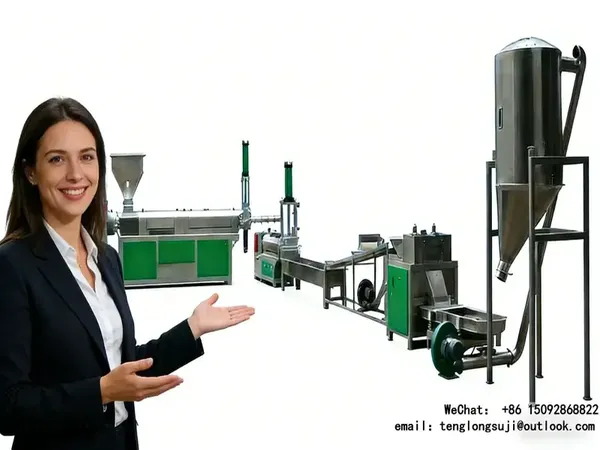
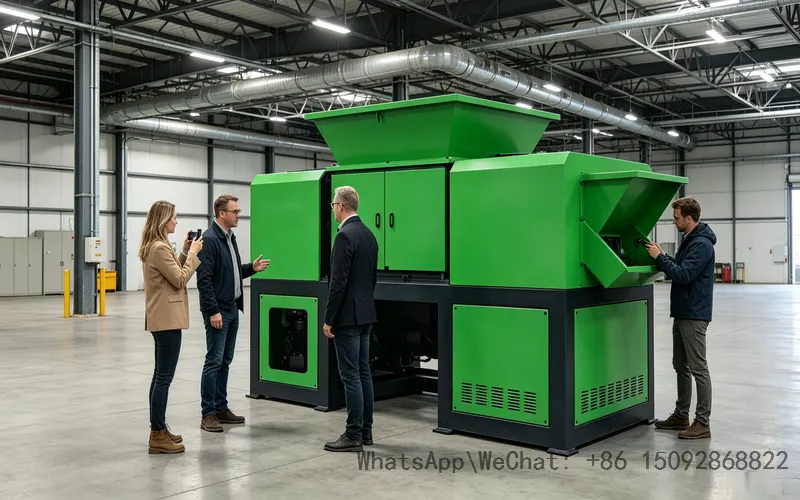
Recycling Plant Improves Quality and Reduces Costs by Putting 180-Type PP Pelletizing Machine into Production for Waste Polypropylene Pelletizing
In the PP plastic recycling industry, most small and medium-sized processing plants initially adopt ordinary single-stage pelletizing machines to meet basic pelletizing needs. However, with the continuous improvement of market requirements for recycled pellet quality and intensified industry low-price involution, the shortcomings of ordinary equipment have been fully exposed: uneven plasticization leads to loose pellets with excessive impurities, failing to access high-end orders; the absence of professional water removal structure causes frequent pellet adhesion and mildew when processing wet materials, resulting in low-price sales; frequent shutdown for screen replacement and equipment wear and maintenance lead to insufficient production capacity and high operation and maintenance costs, continuously squeezing factory profits. A medium-sized factory in Shandong specializing in the recycling of waste PP woven bags and plastic turnover materials has completely solved production pain points and achieved triple upgrades in production capacity, quality and profit by putting a high-configuration 180-type two-stage PP pelletizing machine production line into operation.
The customer mainly engages in the recycling of waste PP woven bags, PP plastic buckets and injection molding leftover materials with stable long-term orders. Before renovation, it adopted traditional single-stage pelletizing equipment with prominent production problems. Firstly, poor plasticization quality: single-stage extrusion cannot fully melt and mix high-toughness PP materials, producing loose pellets with low transparency and fine impurities, which are not recognized by high-end purchasers and can only be sold at low prices. Secondly, high material loss: cleaned PP recycled materials have high water content, and ordinary equipment without water removal devices causes frequent pellet adhesion and agglomeration with high waste rate. Thirdly, poor production continuity: traditional manual screen replacement requires shutdown and disassembly for multiple times every day, seriously compressing effective production time. Moreover, ordinary screws are not wear-resistant, prone to carbon deposition and scratching when processing PP mixed materials with sediment, requiring frequent shutdown maintenance and part replacement every month with rising labor and accessory costs.
To get rid of low-price competition, improve finished product quality, expand stable production capacity and reduce operation and maintenance costs, the customer finally selected our complete high-configuration 180-type two-stage PP pelletizing machine production line after multi-model field comparison, production capacity measurement and process commissioning, completely replacing the old single-stage equipment with immediate improvement effect after commissioning.
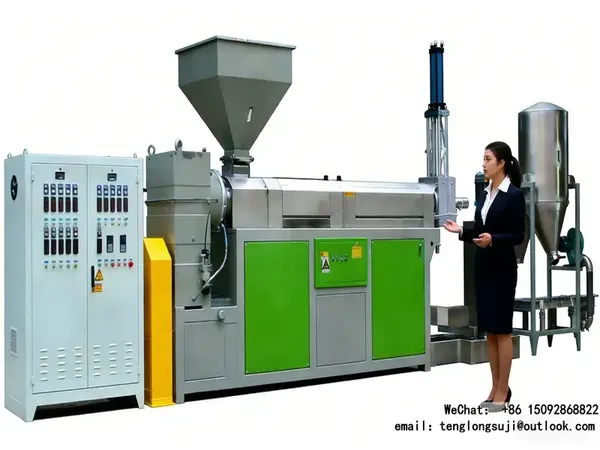
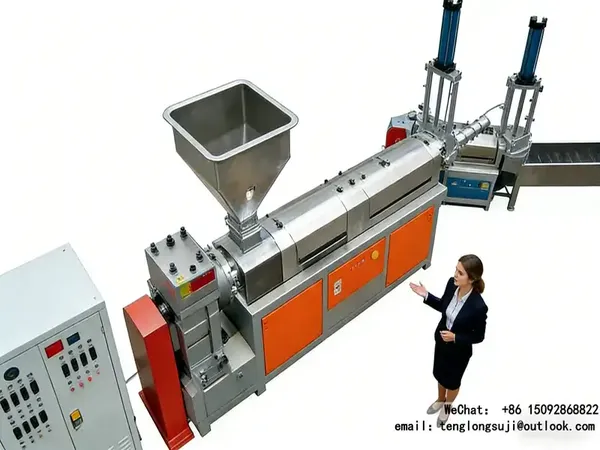
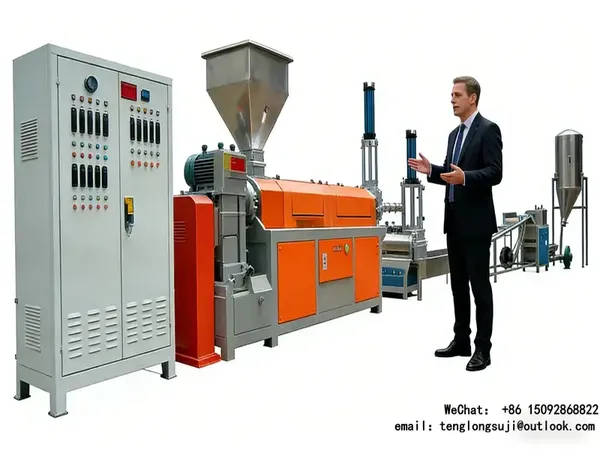
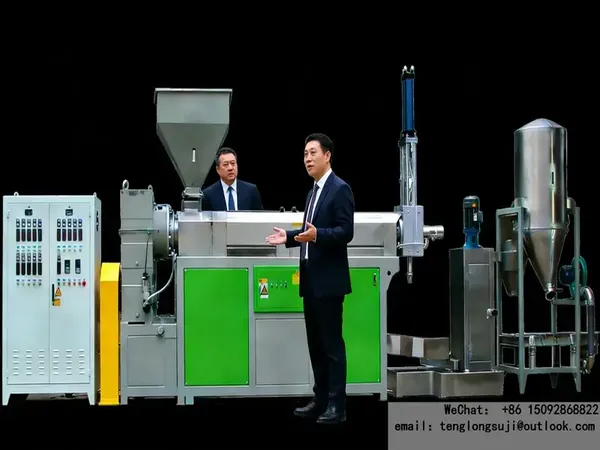
In core production links, the two-stage extrusion process of the 180-type PP pelletizing machine thoroughly solves the core problems of poor plasticization and insufficient purity of PP materials. The 75KW high-power output of the 180-type host matches the 315-type low-noise reducer for stable operation. The 180×3000mm high-frequency wear-resistant screw realizes primary melting and extrusion of PP materials, and the 80KW electromagnetic heating + dual-group heating ring zoned precise temperature control accurately matches the PP melting range, avoiding material high-temperature carbonization and low-temperature insufficient plasticization. Materials initially processed by the host are sent to the 165-type auxiliary machine for secondary fine plasticization and mixing. The 30KW auxiliary machine adopts reasonable power matching, and the refined screw realizes more thorough material melting and denser texture, effectively eliminating pellet looseness, bubbles and residual impurities and greatly improving pellet transparency.
The hydraulic non-stop screen replacement system and professional water removal process significantly reduce production costs and improve finished product premium for customers. The 350 large-diameter screen provides sufficient filtration area to efficiently filter dust, sediment and scorched materials in PP materials. The 4KW hydraulic pump station provides stable pressure supply, realizing alternating screen replacement without shutdown or strip breakage. The effective operating rate of the equipment is increased from the original 78% to more than 96%, with significantly increased daily production capacity and greatly reduced waste output. Equipped with a special water shaking and strip blowing integrated machine, it thoroughly removes residual moisture on plastic strips, solving the pellet moisture adhesion pain point. The finished pellets meet the dryness standard completely, enabling long-term storage without mildew or agglomeration and successfully accessing multiple high-end modification and injection molding purchase orders.
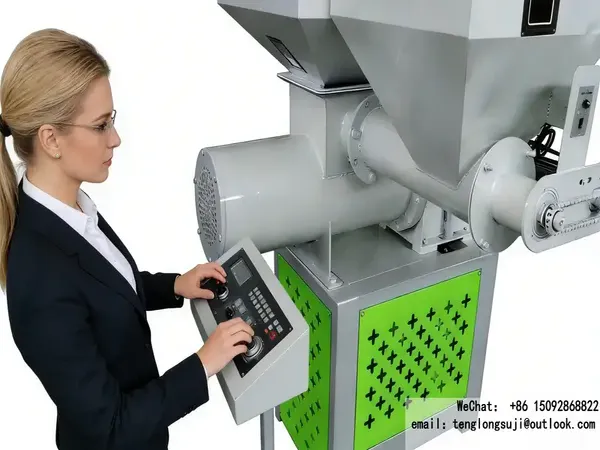
The full-line automatic supporting system simplifies production and reduces operation and maintenance costs. The 600×600 forced frequency conversion feeder completely solves the bridging, blocking and uneven feeding problems of light PP materials with stable and uniform feeding. The 4-meter extended stainless steel water tank adapts to the slow cooling characteristics of PP for flat and regular plastic strip shaping. The frequency conversion alloy pellet cutter produces uniform and regular pellets without burrs or broken materials. The rear-end stainless steel storage bin fan realizes automatic dust removal and air drying for consistent finished product appearance. The national standard frequency conversion electric control system is easy to operate, requiring only one worker to supervise the whole line, greatly reducing labor costs.
The customer’s production person in charge feedback: After upgrading to the 180-type PP pelletizing machine, the factory completely got rid of the predicament of excessive defective pellets, frequent shutdown maintenance and low-price sales. The currently produced recycled PP pellets are compact, pure, dry and impurity-free, fully meeting mid-to-high-end market standards, with a price increase of 200-300 yuan per ton. The production capacity is stable and sufficient with extremely low equipment failure rate, saving time and effort in operation and maintenance, and the equipment investment can be recovered in a short term. The factory plans to expand the scale of waste PP recycling and processing and develop more high-end cooperative orders relying on this stable production line.
This case fully verifies that the 180-type PP pelletizing machine, with the core advantages of two-stage extrusion, non-stop stable production, thorough water removal and energy-saving wear resistance, fully adapts to the scaled and refined production needs of medium-sized recycling plants, serving as a preferred equipment for quality improvement, cost reduction and profit growth in the PP plastic recycling industry.
Call to Action
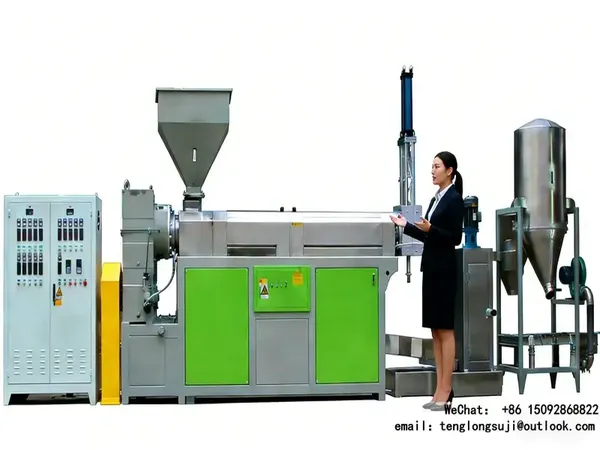
Feel free to consult us for free to obtain the commissioning and upgrading plan of the same 180-type PP pelletizing machine, exclusive PP material production and commissioning process, as well as equipment quotation and after-sales service details!
WhatsApp/WeChat: +86 15092868822 | Email: [email protected]