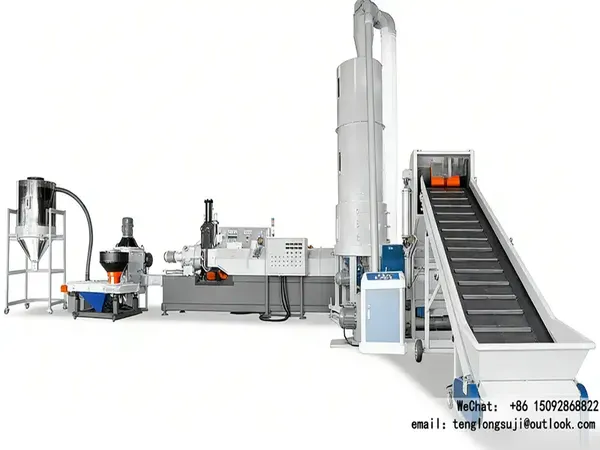
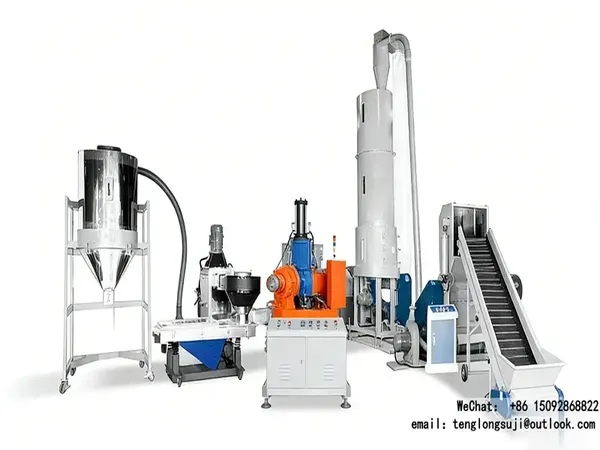
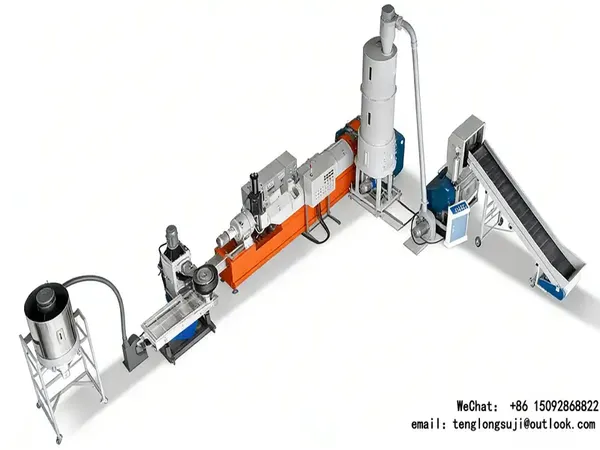
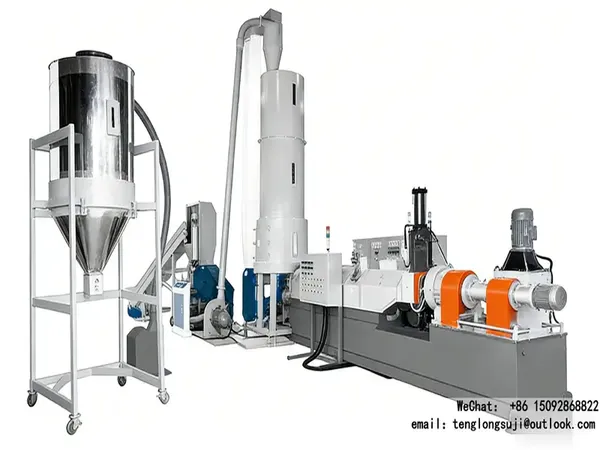
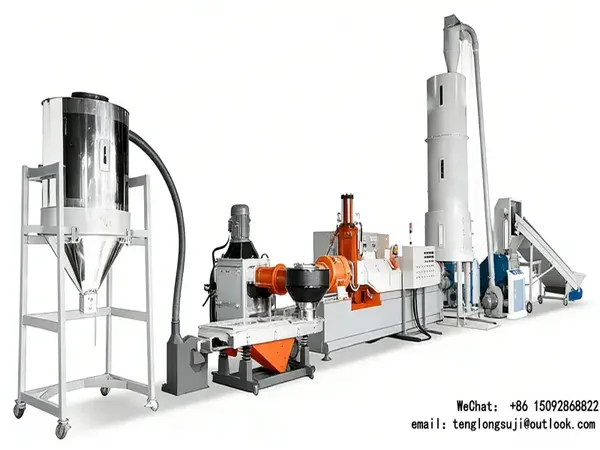
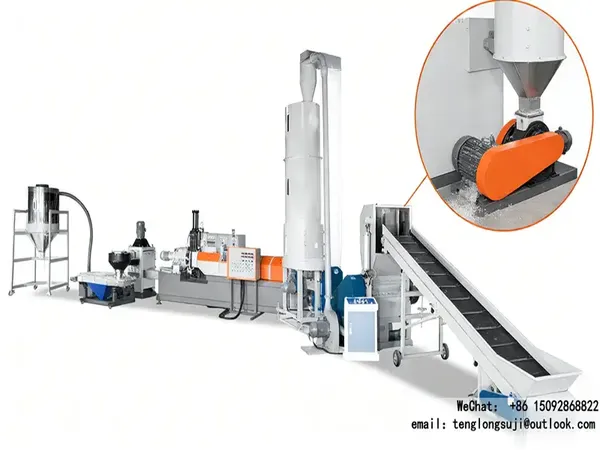
Myanmar Yangon, Industrial Plastic Scraps, Durable plastic pelletizing machine Success Case
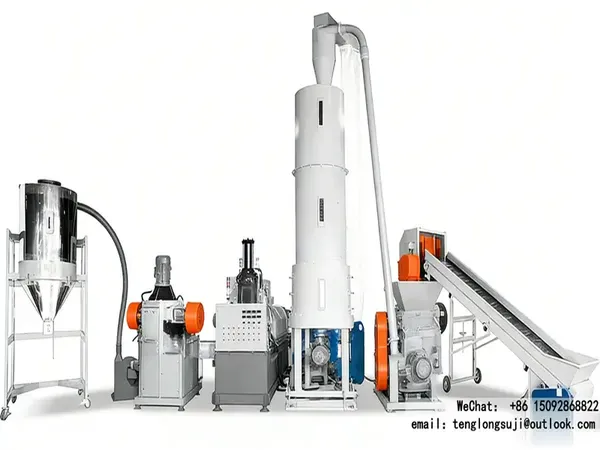
Background: U Aung Ko, a 50-year-old male with a primary school education, has been collecting waste plastics in Yangon for 15 years. He has extensive experience collecting industrial plastic scraps from local textile and manufacturing factories. In 2024, he invested 60 million Kyats to establish a small-scale granulation workshop (900 square meters, 14 workers) to process industrial plastic scraps into recycled particles. Yangon’s manufacturing industry is developing rapidly, generating large amounts of high-hardness, wear-resistant industrial plastic scraps (such as plastic parts and pipes) daily. U Aung Ko needed a durable plastic pelletizing machine that could handle these raw materials and have a long service life.
The Challenge
U Aung Ko’s main challenges were equipment durability and processing effectiveness. First, the high-hardness industrial plastic scraps he processed caused rapid wear to traditional plastic pelletizing machine blades, requiring replacement every 15 days on average— increasing maintenance costs and disrupting production. Second, the plastic scraps had a high melting point, and traditional equipment had poor plasticization, resulting in uneven particle quality and low selling prices. Third, Yangon’s long rainy season made raw materials prone to moisture, leading to air bubbles in particles. Additionally, he had no professional maintenance knowledge, so he needed equipment that was reliable and easy to maintain.
The Solution
We provided U Aung Ko with a TL-350 durable plastic pelletizing machine, customized for industrial plastic scraps and suitable for Yangon’s rainy season. The specific configuration includes:
- High-hardness alloy blades with strong wear resistance and a service life of up to 3 months, reducing blade replacement frequency and maintenance costs.
- A high-temperature heating system (maximum 300℃) that fully plasticizes high-melting-point industrial plastic scraps, ensuring uniform particle quality.
- A dehumidification device that removes moisture from wet raw materials, solving the problem of particle air bubbles during the rainy season.
- A simple structure with few wearing parts—daily maintenance only requires cleaning and lubrication, easy even for those without professional knowledge.
- Free first-time blade replacement and 24-hour online technical support, ensuring U Aung Ko can resolve maintenance issues promptly.
The Results
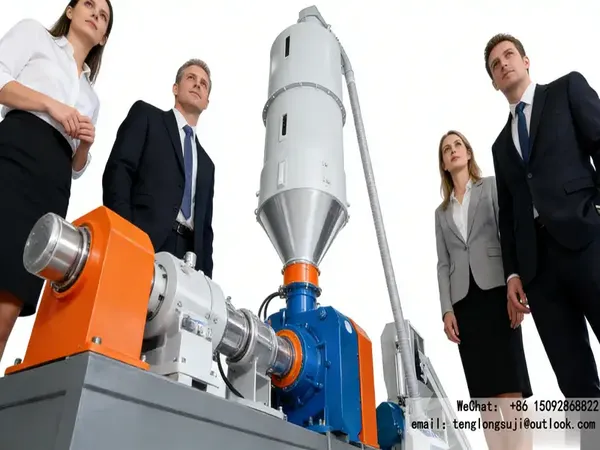
After 5 months of operation, the plastic pelletizing machine performed exceptionally well. The alloy blades lasted up to 3 months—reducing maintenance costs by 60% and saving about 250,000 Kyats monthly. The high-temperature heating system fully plasticized industrial plastic scraps, resulting in uniform particle quality and a 30% increase in selling price. The dehumidification device effectively addressed wet raw materials during the rainy season, maintaining a product qualification rate above 96%. The equipment operated stably with no major failures in 5 months, ensuring continuous production. U Aung Ko’s monthly income increased by 75%, and he signed long-term cooperation contracts with 2 local manufacturing factories. “This plastic pelletizing machine is very durable, no frequent blade replacement and stable operation, it’s the most reliable equipment I’ve ever used,” U Aung Ko said.
FAQ
Q1: Can this plastic pelletizing machine handle high-hardness industrial plastic scraps? A1: Yes, the high-hardness alloy blades and high-temperature heating system effectively process high-hardness, high-melting-point industrial plastic scraps.
Q2: How long is the blade service life? A2: The alloy blades have a service life of up to 3 months—much longer than traditional blades.
If you process industrial plastic scraps in Yangon, have you faced blade wear issues? How did you resolve them? Leave your comment!