Published on: April 2, 2026 | Author: Wang Tao, Senior Mechanical Engineer | Certification: CE, ISO 9001

Plastic Granulator
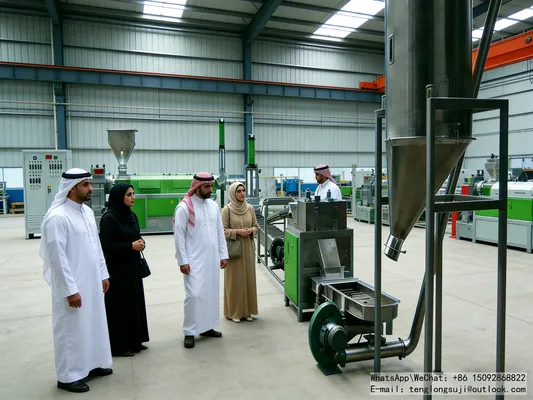
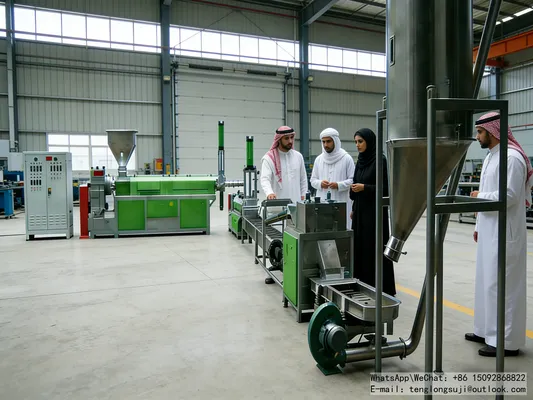
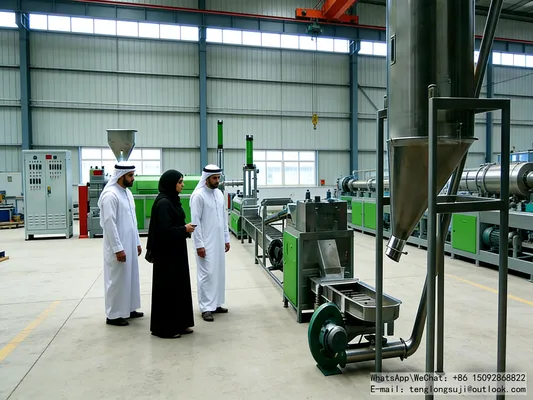
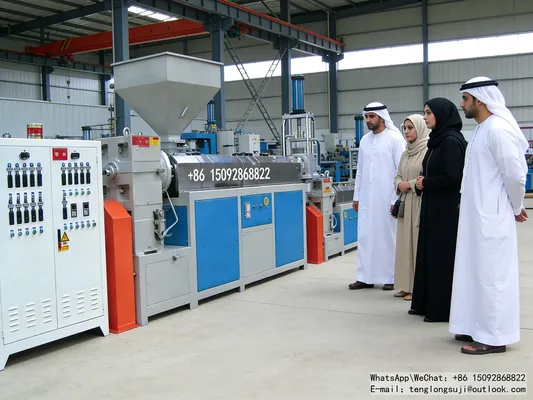
As a professional manufacturer of plastic recycling equipment, Tenglong Plastic Machinery has focused on producing high-quality plastic granulators for over 15 years—designed specifically to help recycling plants and plastic manufacturers turn waste into profit. Our plastic granulator (also referred to as a pelletizer) efficiently converts various waste plastics—including PET bottles, PP/PE films, HDPE pipes, and PVC scraps—into uniform, high-quality pellets that can be directly reused in manufacturing. Unlike conventional granulators, Tenglong’s plastic granulator integrates advanced technology, strict quality control, and user-friendly design to solve the core pain points you face: low output, unstable pellet quality, and high energy consumption. Whether you operate a small-scale recycling workshop or a large industrial facility, our customizable plastic granulator adapts to your specific production needs, maximizing the value of your plastic waste.
Why Tenglong Plastic Granulator Matters (Core Benefits)
Plastic waste recycling is both an environmental responsibility and a cost-effective business opportunity—but many granulators on the market fail to deliver consistent, reliable performance. Tenglong’s plastic granulator addresses these challenges head-on, delivering tangible value for your operation:
- Cost Savings: Cut raw material costs by 30%-50% by recycling waste plastics into reusable pellets, eliminating the need to purchase expensive new plastic resins. For small-scale operators, our small plastic granulator 50kg/h price is highly competitive, with a quick return on investment (ROI) of just 8-12 months.
- Stable Performance: Equipped with precision-machined rotors and high-quality blades, our granulator ensures uniform pellet size (with an error of ≤2mm) and a low dust rate (≤0.5%), meeting strict industry standards for recycled plastic pellets.
- Wide Compatibility: Versatile enough to process a wide range of plastics—including PET, PP, PE, HDPE, LDPE, PVC, and ABS—making it ideal for diverse recycling scenarios, from PET bottle granulation lines to PP film recycling operations.
- Compliance & Safety: Fully compliant with EU PPWR regulations, CE, and ISO 9001 certifications, ensuring your production meets international environmental and safety standards. All components are equipped with safety guards to prevent operational accidents and protect your team.
- Easy Maintenance: Our modular design allows for quick disassembly and maintenance, reducing downtime by 40% compared to traditional granulators. Plus, our after-sales team provides 24/7 technical support and on-site installation guidance to keep your operation running smoothly.
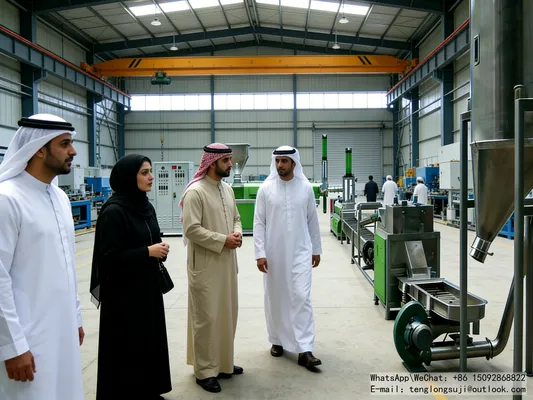
Plastic Granulator
Technical Parameters of Tenglong Plastic Granulator (Data Points)
| Model | Motor Power (kW) | Rotor Diameter (mm) | Number of Blades | Screen Mesh Size (mm) | Output Capacity (kg/h) | Applicable Plastics |
| TL-50 | 7.5 | 120 | 4 | 1.5-3.0 | 30-50 | PP, PE, Small PET Scraps |
| TL-150 | 18.5 | 180 | 6 | 1.0-4.0 | 100-150 | PET, PP, PE, HDPE |
| TL-300 | 37 | 250 | 8 | 0.8-5.0 | 250-300 | PET, PP, PE, HDPE, PVC, ABS |
FAQ: Common Questions About Tenglong Plastic Granulator
Q1: How to choose a plastic granulator for HDPE bottles? A1: Select a model with a rotor diameter of ≥180mm (such as the TL-150 or TL-300), 6-8 blades, and a screen mesh size of 1.5-3.0mm. Ensure the granulator includes a pre-crushing function to efficiently handle HDPE bottle scraps.
Q2: What is the PET bottle granulation line investment cost? A2: Investment costs range from $4,800 to $45,000, depending on output capacity. A small 50kg/h line costs $4,800-$8,000, while a large 300kg/h line (including the granulator, crusher, and washing machine) costs $30,000-$45,000.
Q3: What is the difference between dry and wet plastic granulation? A3: Dry granulation is ideal for clean plastic scraps (e.g., new plastic offcuts) with low moisture, requiring no washing. Wet granulation includes a washing step, making it perfect for dirty waste plastics (e.g., used PET bottles, PE films) to remove impurities.
Q4: Does Tenglong provide a technical white paper for the plastic granulator? A4: Yes, we offer a detailed technical white paper—including product design principles, operation guidelines, maintenance tips, and test data (e.g., energy consumption, pellet quality)—upon request.
Q5: What is the service life of Tenglong plastic granulator? A5: With proper maintenance, the main body has a service life of 8-10 years. Wearing parts (blades, screen) are easily replaceable, extending the machine’s overall lifespan.