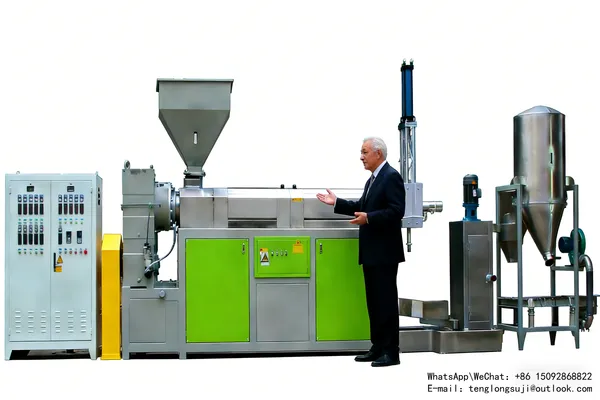
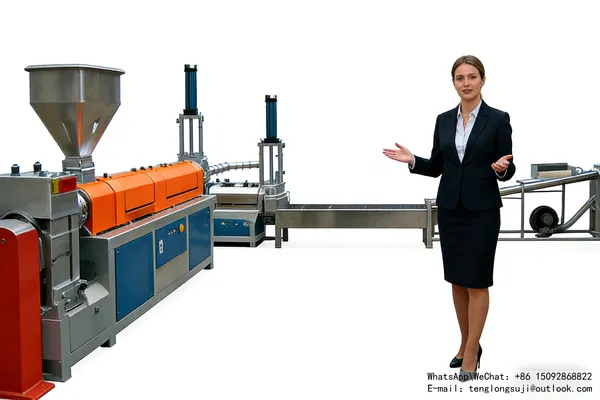
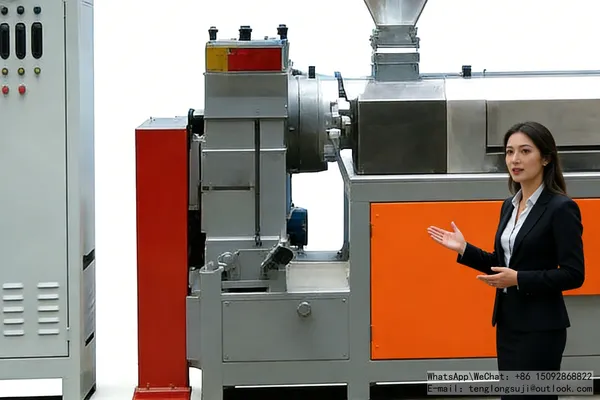
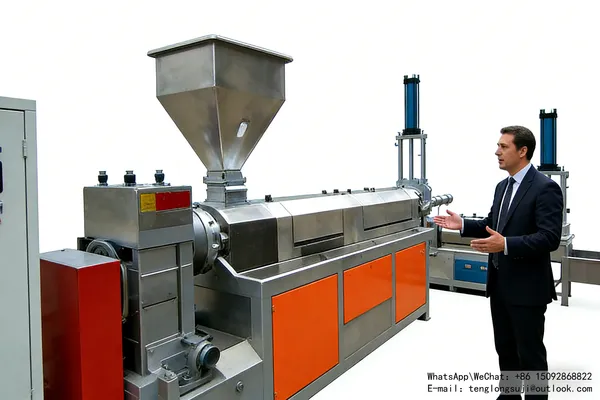
Background: Mr. Chamara Jayasinghe, a 34-year-old with a diploma in agricultural engineering, started his plastic recycling business in 2023 in Kandy’s Matale district—a rural agricultural area known for rice and tea cultivation. His 600-square-meter small workshop employs 7 workers, focusing on processing agricultural plastic waste (mulch film, fertilizer bags, pesticide containers) collected from local farmers. Kandy generates over 5 tons of agricultural plastic waste daily, much of which is dumped in farmlands, reducing soil fertility and harming tea crops—this violates Sri Lanka’s Agricultural Environmental Protection Act. As a former agricultural extension officer, Chamara wanted to address this pollution while building a profitable business. He sought a high-efficiency Plastic granulator to handle wet, high-moisture agricultural waste, as Kandy’s frequent monsoons make raw materials difficult to process. A high-efficiency Plastic granulator was the key to his business’s success.
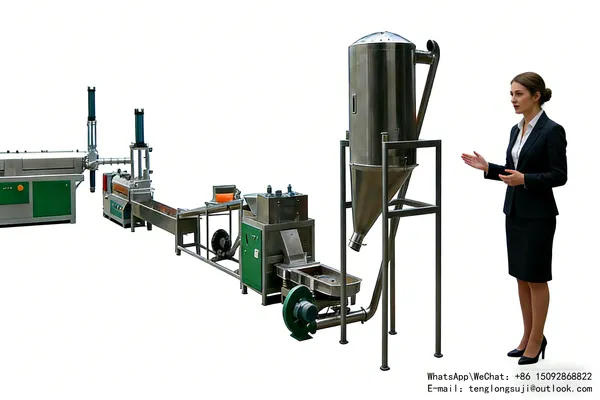
Plastic granulator
The Challenge
Mr. Chamara faced three major hurdles. First, due to monsoon rains and dew, the agricultural plastic waste had a high moisture content (up to 14%), which caused air bubbles in recycled particles and a low qualification rate of just 68%—making the particles unsellable for high-value applications. Second, the traditional Plastic granulator he used had a low processing efficiency of 220kg/h, which was unable to keep up with his 5-ton daily raw material collection, leading to raw material backlogs. Third, Kandy’s rural areas experience frequent power outages, forcing him to rely on generators—this boosted his operating costs by 27%. Additionally, the mulch film was tough and difficult to crush, further reducing efficiency. Local Plastic granulator suppliers offered no solutions for wet waste, leaving him struggling to scale his business.
The Solution
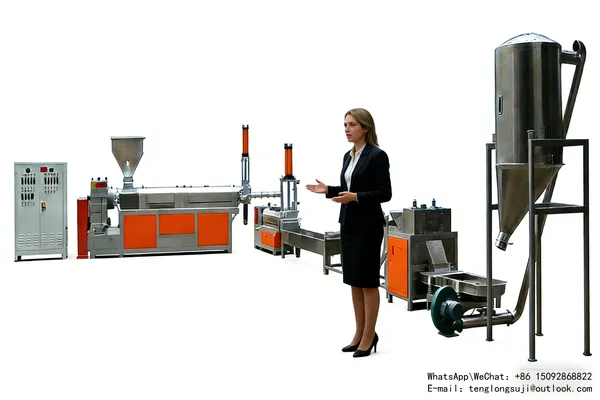
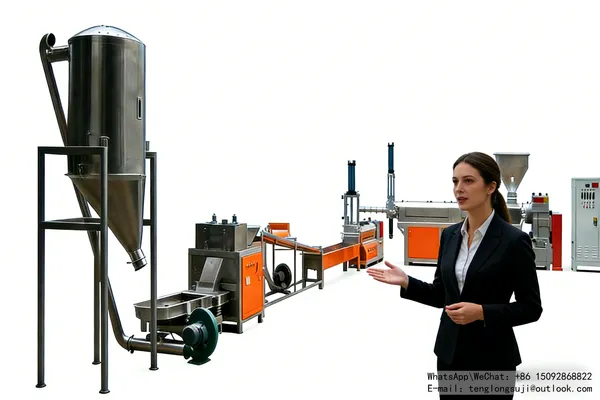
We provided Mr. Chamara with a TL-330 high-efficiency Plastic granulator, customized for Kandy’s agricultural environment and rural power conditions—it is popular among Sri Lanka’s agricultural recycling businesses. The specific configuration of this Plastic granulator includes:
- High-efficiency drying system with a thermal sensor, which reduces raw material moisture content to below 3% and eliminates air bubbles in recycled particles.
- Screw with a length-diameter ratio (L/D Ratio) of 1:35, enhancing plasticization and increasing processing efficiency to 480kg/h.
- Built-in voltage stabilization module and backup power interface, ensuring stable operation even during power outages (170V-400V), minimizing downtime.
- Energy-saving electromagnetic heating system, cutting unit energy consumption by 23%, which reduces generator usage costs for rural areas.
- High-power crushing system (22KW) that easily crushes tough mulch film, improving processing efficiency and reducing wear on the equipment.
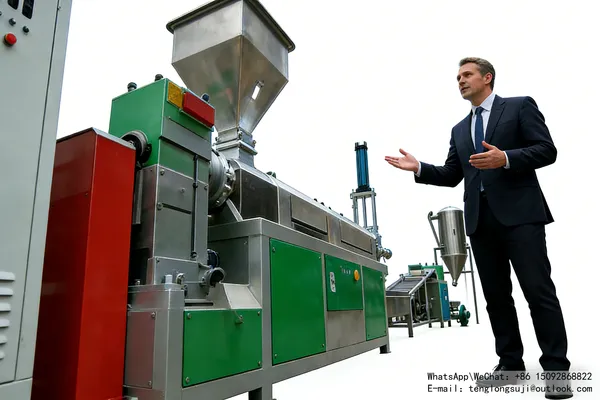
Plastic granulator
The Results
After 4 months of operation, the Plastic granulator delivered exceptional results. The processing efficiency surged from 220kg/h to 480kg/h—a 118% improvement—allowing Mr. Chamara to process all daily raw materials without backlogs. The drying system boosted the qualification rate to 98%, with PP/PE particles that are transparent and impurity-free, suitable for agricultural packaging. The unit energy consumption decreased by 23%, saving him 45,000 LKR per month in electricity and generator costs. He signed long-term supply contracts with 2 local agricultural packaging companies, increasing his monthly income by 75% (from 1.1 lakh LKR to 1.925 lakh LKR). “This Plastic granulator is efficient and reliable—no air bubbles, no downtime, and it saves me money on electricity. It’s a game-changer for my business,” Mr. Chamara said. His business was also recognized by the Kandy Agricultural Department for reducing farmland pollution.
FAQ
Q1: Can this Plastic granulator handle wet agricultural plastic waste from Kandy’s monsoons? A1: Yes, the built-in drying system processes raw materials with up to 15% moisture content, eliminating air bubbles.
Q2: Is the equipment suitable for rural areas with frequent power outages? A2: Yes, the voltage stabilization module ensures stable operation during power fluctuations and outages.
If you operate a plastic recycling workshop in Kandy’s agricultural areas, have you faced issues with wet raw materials or power outages? How did you resolve them? Leave your comment below!