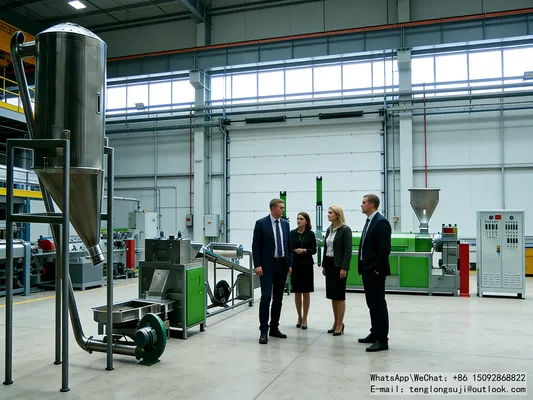
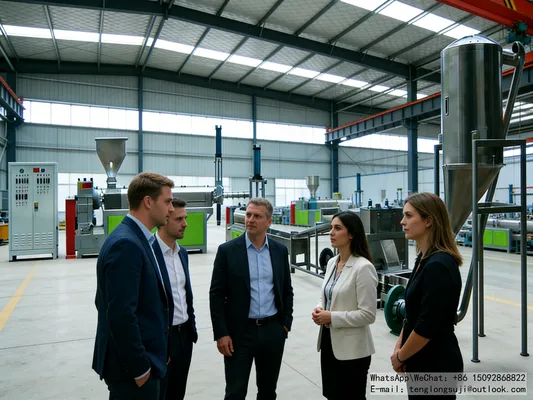
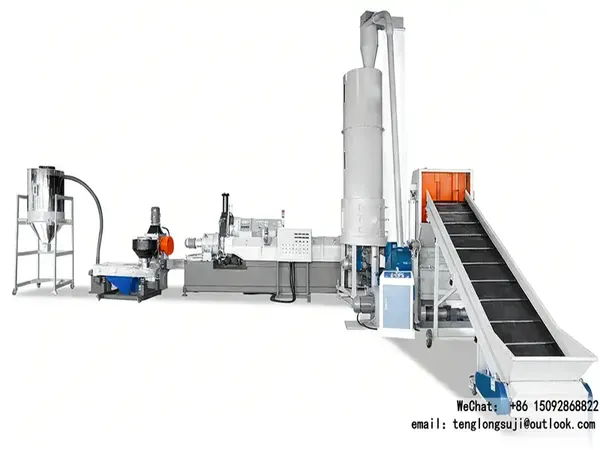
The rise of circular economy initiatives has made PP recycling an accessible and profitable business opportunity for small-scale entrepreneurs in 2026. With the right PP Recycling Machine, even small facilities can process PP waste into high-value recycled pellets—catering to the growing demand for sustainable materials across industries. This article provides a comprehensive guide to selecting, operating, and optimizing small-scale PP Recycling Machine, including key considerations, cost analysis, and tips for compliance with global standards.

PP Recycling Machine
Key Features to Look for in Small-Scale PP Recycling Machine (Long-tail Keyword: Small-Scale PP Recycling Machine Buying Guide)
When selecting a small-scale PP Recycling Machine (capacity: 50-200 kg/h), entrepreneurs should prioritize durability, ease of maintenance, and cost-effectiveness. Unlike large-scale industrial machines, small-scale models need to be compact, energy-efficient, and tailored to low-volume operations. Below are the key features to prioritize:
- Capacity and Size: Choose a machine with a capacity that aligns with your daily PP waste intake. For most small businesses, a 50-100 kg/h model is sufficient—balancing productivity with space requirements (typically 10-15 m² of floor space).
- Energy Efficiency: Opt for models with energy-saving motors and heat recovery units to lower operational costs. Look for machines with an energy consumption of ≤10 kWh per hour.
- Decontamination System: A reliable washing and sorting system is essential for producing high-purity PP pellets. Ensure the machine includes a centrifugal separator and optical sorter to remove impurities effectively.
- Ease of Maintenance: Small businesses often have limited technical resources, so choose a PP Recycling Machinewith a simple design, easy-to-replace parts, and remote troubleshooting support.
Cost Analysis: Small-Scale PP Recycling Machine Investment in 2026
The cost of a small-scale PP Recycling Machine in 2026 ranges from $15,000 to $40,000—depending on capacity, features, and manufacturer. Below is a breakdown of typical investment and ongoing costs to help you budget effectively:
| Item | Cost Range (2026) | Notes |
| Small-Scale PP Recycling Machine (50-100 kg/h) | $15,000 – $25,000 | Basic model with washing and pelletizing functions |
| Installation and Training | $1,500 – $3,000 | Includes machine setup and operator training |
| Monthly Energy Costs | $800 – $1,200 | Based on 8 hours/day, 20 days/month, $0.15/kWh |
| Monthly Maintenance Costs | $300 – $500 | Includes parts replacement and cleaning |
| Monthly Raw Material Costs | $2,000 – $3,500 | Based on 100 kg/h, 8 hours/day, $0.12-$0.20/kg PP waste |
With recycled PP pellets selling for $0.80-$1.20/kg in 2026, a small-scale PP Recycling Machine operating at 80 kg/h, 8 hours/day, 20 days/month can generate monthly revenue of $10,240-$15,360—resulting in a monthly profit of $5,640-$10,160. This translates to an ROI of 12-18 months, making small-scale PP recycling a viable and profitable investment for entrepreneurs.

PP Recycling Machine
Compliance Tips for Small-Scale PP Recycling Businesses in 2026
To succeed in the competitive PP recycling industry, small-scale businesses must comply with local and international regulations—including GRS, ISCC, and REACH certifications. Here are key tips to ensure compliance and avoid costly penalties:
- Invest in GRS-Compliant PP Recycling Machine: Choose a machine that can produce pellets with a purity of ≥99.5% and includes a traceability system to track the source of PP waste—critical for accessing global markets.
- Follow REACH Regulations: Ensure recycled PP pellets do not contain harmful substances (e.g., heavy metals, phthalates) above the limits set by REACH to avoid export restrictions.
- Secure Local Waste Management Permits: Obtain the necessary permits from local authorities for waste collection, processing, and disposal to operate legally.
FAQ: Small-Scale PP Recycling Machine for Entrepreneurs
- Q: Do I need technical experience to operate a small-scale PP Recycling Machine? A: No—most small-scale PP Recycling Machine models are designed for easy operation, and manufacturers provide in-person or online training to help operators learn the basics. Remote troubleshooting support is also available for most models to resolve issues quickly.
- Q: What types of PP waste can a small-scale machine process?A: Small-scale PP Recycling Machine can process a variety of PP waste, including PP bottles, containers, films, and automotive parts. Sorting waste by type is recommended to ensure optimal pellet quality and machine performance.
- Q: How can I find buyers for recycled PP pellets? A: Buyers include packaging manufacturers, automotive parts suppliers, and construction companies. You can also sell through online B2B platforms (e.g., Alibaba, Thomasnet) or local industry associations to expand your reach.
- Q: What is the expected lifespan of a small-scale PP Recycling Machine? A: With proper maintenance, a small-scale PP Recycling Machine can last 5-7 years. Regular cleaning, parts replacement, and lubrication will extend the machine’s lifespan and ensure consistent performance.