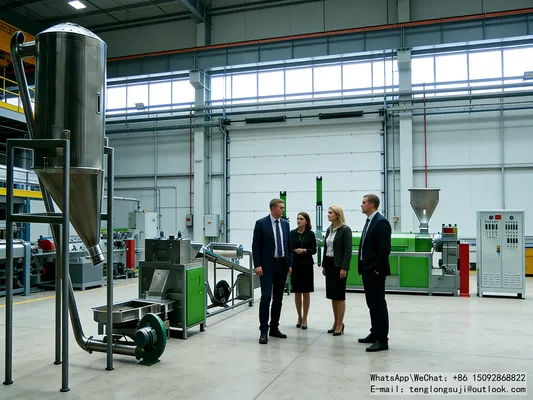
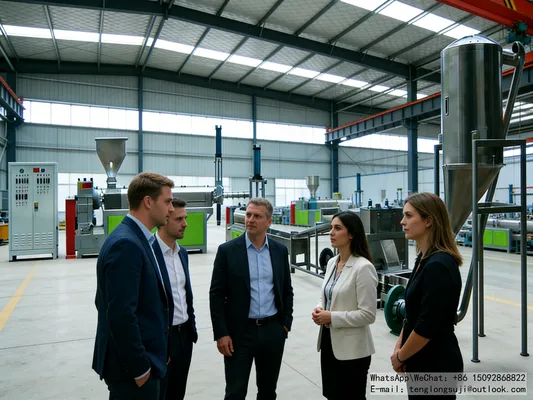
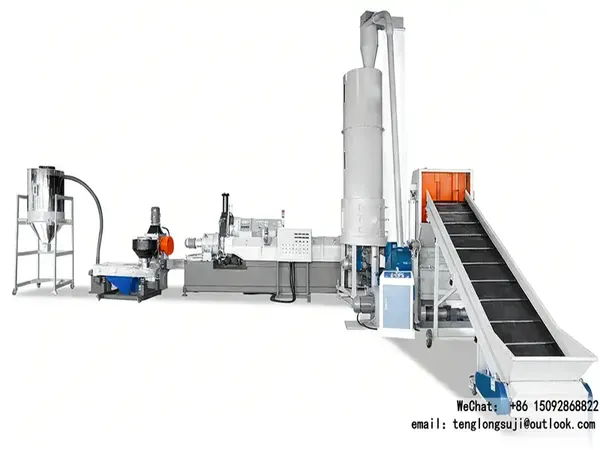
With the continuous improvement of the global plastic recycling system and support from national environmental policies, small and medium-sized (SME) PP recycling projects have become a new blue ocean for entrepreneurs in 2026. The PP granulator—especially small-scale models—has emerged as the core equipment for SMEs entering the PP recycling industry, thanks to its low investment, flexible operation, and quick return on investment. This article provides a comprehensive guide for entrepreneurs, detailing how to select, use, and optimize small-scale PP granulators to achieve profitable operations.

PP granulator
How to Choose a Suitable Small-Scale PP Granulator for Startup Projects
Selecting the right small-scale PP granulator is critical to the success of a startup PP recycling project. In 2026, the market offers a variety of small-scale PP granulators with different models and parameters, and entrepreneurs must choose based on their project scale, raw material types, and budget.
First, clarify production capacity. For startup projects, a small-scale PP granulator with a daily output of 500kg–2 tons is ideal—it meets initial market demand while avoiding excessive investment pressure. For example, the Type 105 small-scale PP granulator launched in 2026 has a production capacity of 150kg/h, a screw diameter of 105mm, and a main motor power of 18.5kW, making it suitable for small-scale recycling workshops with limited space and funds.
Second, prioritize raw material adaptability. The small-scale PP granulator should process various types of waste PP materials (e.g., PP bottles, PP films, and PP plastic parts) to expand raw material sources. Additionally, the equipment should be equipped with a simple decontamination system to remove impurities such as oil stains and dust from waste PP, ensuring recycled pellet purity.
Third, consider cost-effectiveness. In 2026, small-scale PP granulators range in price from $15,000 to $50,000. Entrepreneurs should select equipment with reliable quality and reasonable pricing, avoiding the temptation of low-cost options that compromise stability and service life. Additionally, evaluate the manufacturer’s after-sales service—including equipment installation, debugging, and maintenance training—to ensure smooth project operation.
Profit Analysis of Small-Scale PP Granulator Projects in 2026
The profitability of small-scale PP recycling projects largely depends on the PP granulator’s efficiency and cost control. In 2026, with advancing recycling technology and growing market demand for recycled PP pellets, small-scale PP granulator projects offer significant profit potential.
Take a small-scale PP recycling project with a daily output of 1 ton as an example. The cost and profit analysis is as follows: 1. Raw material cost: Waste PP materials cost approximately $0.8–1.2 per kg, resulting in a daily raw material cost of $800–1,200. 2. Energy cost: The small-scale PP granulator consumes about 300 kWh of electricity per ton of product, with a daily energy cost of $30–40. 3. Labor cost: 2–3 workers are required, with a daily labor cost of $100–150. 4. Other costs (maintenance, additives, etc.): Approximately $50–80 per day. Total daily costs: $980–1,470. The 2026 market price of recycled PP pellets is $2.5–3 per kg, generating daily sales revenue of $2,500–3,000. Daily profit: $1,030–1,530, with investment recovery in 6–12 months.
Additionally, small-scale PP granulator projects qualify for local government policy support—such as environmental equipment subsidies and tax reductions—further reducing investment risk. For example, in China, SMEs in PP recycling can apply for a 10% tax reduction on environmental equipment investment, and some regions offer one-time subsidies of $5,000–10,000 for small-scale recycling projects.
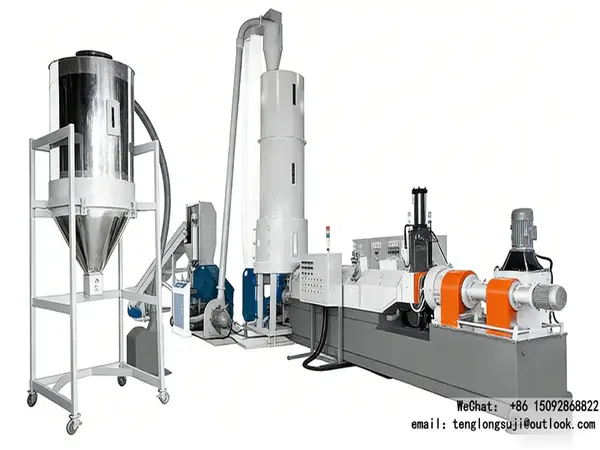
PP granulator
Key Tips for Optimizing Small-Scale PP Granulator Operation
To enhance the efficiency and profitability of small-scale PP granulator operations, entrepreneurs should focus on the following tips: 1. Strictly control raw material quality: Sort and clean waste PP materials to remove impurities (e.g., metal, glass, PVC), reducing screw and barrel wear and improving recycled pellet quality. 2. Conduct regular equipment maintenance: Inspect the PP granulator’s screw, barrel, and cutting knife regularly, add lubricating oil promptly, and replace worn parts to extend equipment service life and reduce failure rates. 3. Optimize production processes: Adjust parameters such as screw speed and melting temperature based on raw material type to improve efficiency and product quality. For example, when processing PP films, control the melting temperature at 180–200℃ and adjust the screw speed to 30–50 rpm.
FAQ: Small-Scale PP Granulator Startup Guide
- Q: What is the investment cost of a small-scale PP granulator project? A: The total investment for a 2026 small-scale PP granulator project is $20,000–60,000, including equipment purchase, workshop rental, and initial raw material procurement.
- Q: How long does it take to recover the investment for a small-scale PP granulator project? A: Under normal operation, investment recovery takes 6–12 months, depending on the market price of recycled PP pellets and the equipment’s production efficiency.
- Q: Is professional technology required to operate a small-scale PP granulator? A: No. The 2026 small-scale PP granulator is equipped with an intelligent control system for easy operation, and manufacturers provide free installation, debugging, and operation training.
- Q: What is the application scope of pellets produced by a small-scale PP granulator? A: Recycled PP pellets can be used to produce plastic products such as baskets, pipes, and films, which have broad market demand.