Published on April 5, 2026 | By Dr. Mark Wilson, Senior Plastic Recycling Engineer with 15+ years of experience in rigid plastic processing and global equipment optimization. Download our technical whitepaper: “Best Practices for Rigid Plastic Recycling Compliance with PPWR 2026” for detailed test data and regulatory guidance.
Plastic Recycling Machine
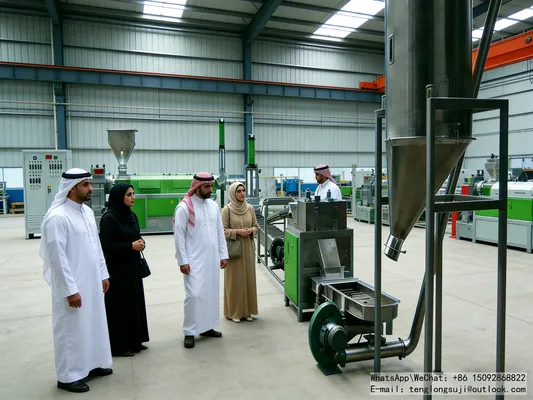
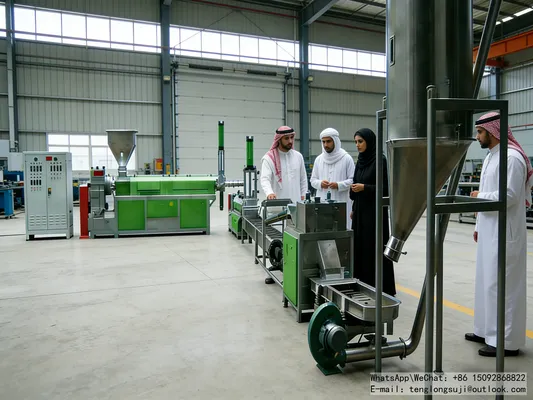
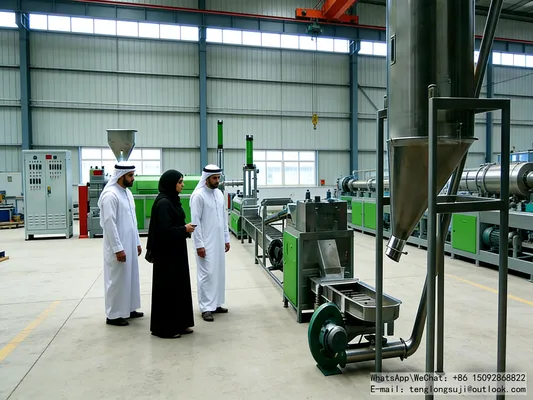
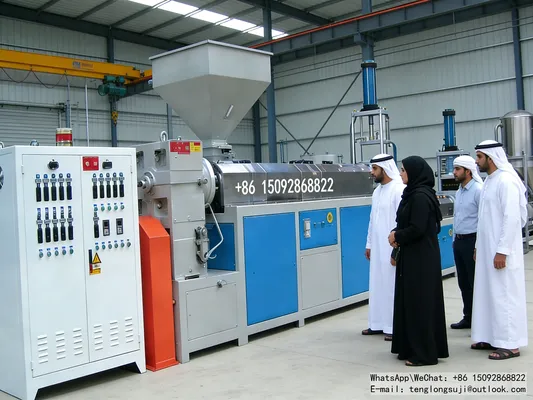
Industrial-scale Rigid Plastic Recycling demands high throughput, consistent regrind quality, and strict compliance with global environmental standards—especially in European and American markets where PPWR and local recycling regulations are rigorous. The RPR-800 is a turnkey automated line designed to handle 800-1200 kg/h of post-industrial and post-consumer rigid plastics, including large HDPE drums, PP crates, and thick-walled ABS components, converting them into high-value regrind for pelletizing lines or direct reuse in high-grade plastic products.
Why It Matters: Industrial recyclers face two major challenges: bottlenecks in the shredding and washing process, and the risk of non-compliance with EU and US recycling standards. The RPR-800 eliminates bottlenecks with a dual-shredder system (primary and secondary shredding) that reduces rigid plastic waste to uniform 5-10 mm regrind, while a multi-stage washing system (pre-wash, friction wash, and final rinse) removes 99% of contaminants. This not only boosts throughput by 60% compared to single-shredder models but also ensures the regrind meets the high-quality standards required for PCR plastic in packaging—critical for complying with PPWR’s 2030 recycled content targets.
Key features of the RPR-800 include PLC control for fully automated operation (requiring only 1 operator per shift), a magnetic separation system to remove metal contaminants, and an energy-efficient drying system that reduces power consumption by 25% compared to conventional models. It is equipped with European-standard electrical components (ABB, Omron) for reliable performance, and holds CE, ISO 9001:2008, and UL certifications—essential for accessing European and American markets. The machine also integrates seamlessly with existing plastic pelletizing machines, creating a closed-loop recycling system that maximizes profitability.
For industrial recyclers asking, “What is the best rigid plastic recycling machine for high-volume HDPE drum processing?”, the RPR-800 is the solution. Its heavy-duty primary shredder with 12 hardened steel blades easily handles thick-walled rigid plastics, while the adjustable screen mesh size allows for customization of regrind particle size to match specific pelletizing or molding requirements.
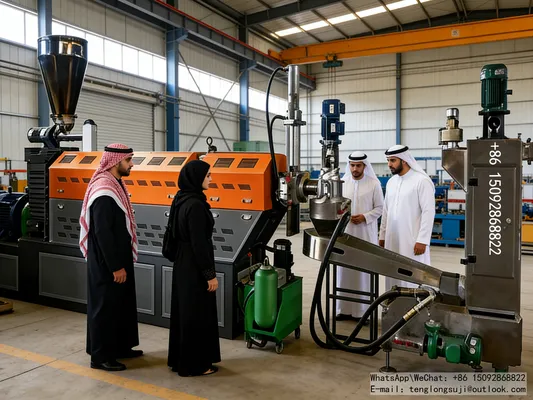
Plastic Recycling Machine
Technical Parameters (RPR-800)
| Parameter | Specification |
| Motor Power | 75 kW |
| Rotor Diameter | 400 mm |
| Number of Blades | 12 (Hardened Steel, Dual-Shredder System) |
| Screen Mesh Size | 5-10 mm (Adjustable) |
| Output Capacity | 800-1200 kg/h |
FAQ
Q: How does the RPR-800 handle large, thick-walled rigid plastics like HDPE drums? A: The RPR-800 features a primary shredder with a 400 mm rotor and 12 hardened steel blades, designed to break down large, thick-walled rigid plastics into manageable pieces before secondary shredding for uniform regrind.
Q: Can the RPR-800 be integrated with existing pelletizing lines? A: Yes, the RPR-800 is designed with a compatible output conveyor that connects directly to most industrial plastic pelletizing machines, creating a seamless closed-loop recycling system.
Q: What is the energy consumption of the RPR-800? A: The RPR-800 uses energy-efficient motors and a heat recovery system, consuming 75 kW per hour—25% less than conventional high-capacity rigid plastic recycling machines.