Published on April 5, 2026 | By Dr. Mark Wilson, Senior Plastic Recycling Engineer with 15+ years of experience in rigid plastic processing and global equipment optimization. Download our technical whitepaper: “Best Practices for Rigid Plastic Recycling Compliance with PPWR 2026” for detailed test data and regulatory guidance.

Plastic Recycling Machine
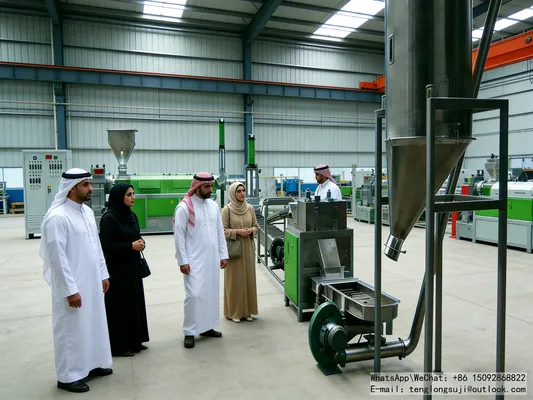
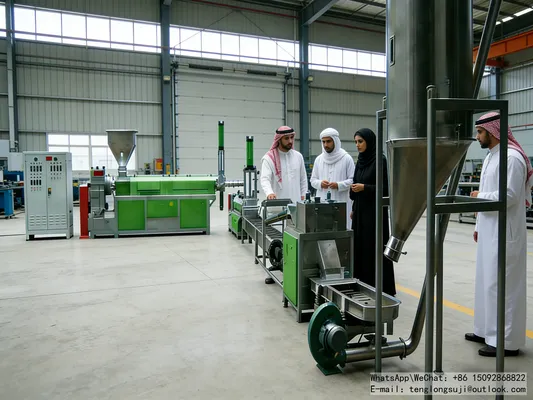
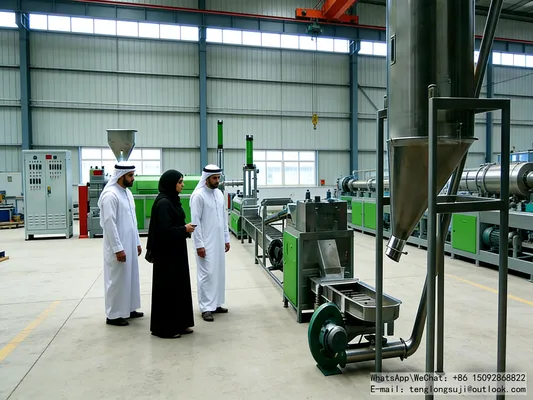
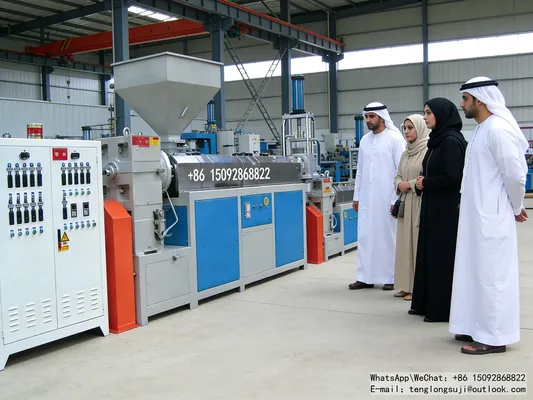
Modern Rigid Plastic Recycling Machine requires flexibility to handle multiple material types, smart monitoring for consistent quality, and compliance with global regulations—whether for Southeast Asian, European, or North American markets. The RPR-500 is a smart, multi-material rigid plastic recycling machine that processes HDPE, PP, PET, and ABS rigid plastics, with intelligent sensors and a user-friendly touchscreen interface to optimize performance and ensure consistent regrind quality for plastic pelletizing or direct reuse.
Why It Matters: Many recyclers struggle with switching between different rigid plastic types, which often requires manual adjustments and leads to inconsistent regrind quality. The RPR-500 solves this with pre-programmed material profiles—simply select the plastic type (e.g., HDPE bottles, PET trays, ABS scraps) and the machine automatically adjusts shredding speed, washing pressure, and drying temperature. This reduces setup time by 70% and ensures regrind quality is consistent batch-to-batch. Additionally, its smart monitoring system alerts operators to maintenance needs and performance issues in real time, minimizing downtime by 35% and extending machine lifespan.
Key features of the RPR-500 include a smart sensor system that detects contamination and adjusts the washing process accordingly, a variable-speed rotor for optimal shredding of different materials, and a compact, modular design that allows for easy expansion (e.g., adding a PET decontamination module). It is CE certified, meets ISO 9001:2008 standards, and complies with PPWR regulations, making it suitable for global markets. The machine also includes a metal detector and dust collection system, addressing common safety and environmental concerns in rigid plastic recycling facilities.
For recyclers asking, “What is the difference between dry and wet rigid plastic recycling, and which is better?”, the RPR-500 offers both options. It can operate in dry mode (for low-contamination post-industrial plastic) to save water, or wet mode (for post-consumer plastic with high contamination) to ensure optimal cleaning—providing flexibility to adapt to different feedstock conditions.
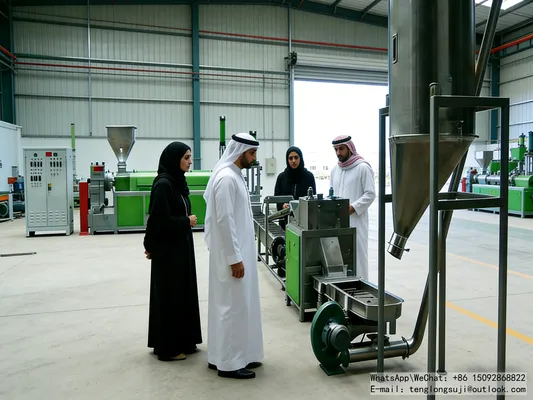
Plastic Recycling Machine
Technical Parameters (RPR-500)
| Parameter | Specification |
| Motor Power | 45 kW |
| Rotor Diameter | 320 mm |
| Number of Blades | 10 (Hardened Steel, Variable-Speed) |
| Screen Mesh Size | 6-15 mm (Adjustable) |
| Output Capacity | 400-600 kg/h |
FAQ
Q: Can the RPR-500 switch between dry and wet recycling modes? A: Yes, the RPR-500 offers both dry and wet recycling modes—dry mode for low-contamination post-industrial plastic (saves water), wet mode for high-contamination post-consumer plastic (ensures thorough cleaning).
Q: How does the smart monitoring system work? A: The RPR-500’s smart sensors monitor rotor speed, washing pressure, moisture content, and contamination levels, sending real-time alerts to the touchscreen interface for maintenance or adjustments.
Q: Is the RPR-500 suitable for small to medium recyclers? A: Yes, the RPR-500’s modular design and flexible operation make it ideal for small to medium recyclers looking to process multiple rigid plastic types without investing in multiple machines.