Published on April 5, 2026 | By Dr. Mark Wilson, Senior Plastic Recycling Engineer with 15+ years of experience in rigid plastic processing and global equipment optimization. Download our technical whitepaper: “Best Practices for Rigid Plastic Recycling Compliance with PPWR 2026” for detailed test data and regulatory guidance.
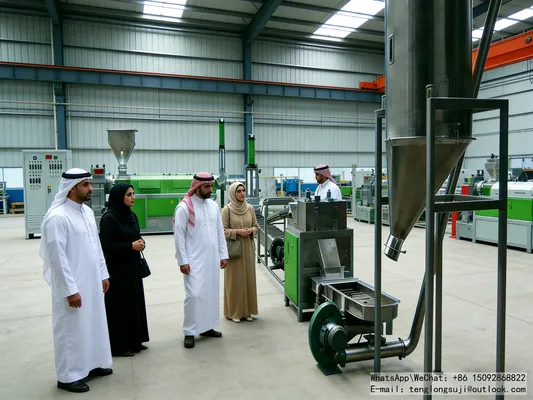
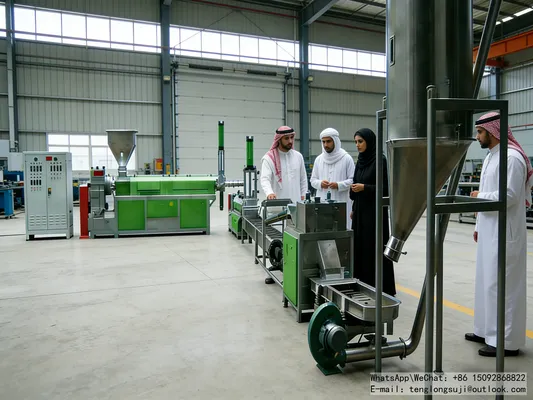
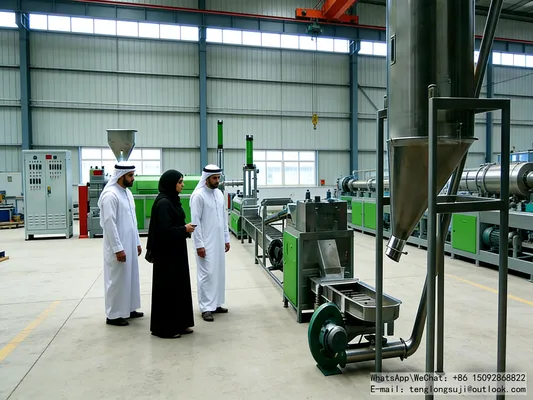
Plastic Recycling Machine
The Rigid Plastic Recycling process presents significant challenges for small to medium-sized recyclers: excessive labor costs, inconsistent regrind quality, and difficulties in processing mixed rigid plastics such as HDPE bottles, PP containers, and ABS scraps. The RPR-300 addresses these critical pain points with an integrated shredding, washing, and drying system, engineered to convert post-consumer and post-industrial rigid plastic waste into clean, reusable regrind—ideal for feeding into plastic pelletizing machines or direct reuse in injection molding applications.
Why It Matters: Many small-scale recyclers struggle with inefficient manual sorting and cleaning processes, which result in high contamination rates (often exceeding 15%) and reduce the value of their end product. The RPR-300 automates core rigid plastic recycling steps, cutting labor costs by 40% and lowering contamination to less than 3%. Its compact design fits seamlessly in limited factory spaces, making it particularly suited for Southeast Asian markets where facility size is often a key constraint. Additionally, it fully complies with the EU’s PPWR regulation (effective August 2026), ensuring your recycled materials meet the 2030 PCR content requirements for plastic packaging.
Key features of the RPR-300 include a heavy-duty shredder equipped with hardened steel blades, a high-pressure washing chamber to remove dirt, oil, and labels, and a centrifugal dryer that reduces moisture content to below 1%—a critical factor in preventing defects during subsequent pelletizing processes. Unlike basic models, it handles mixed rigid plastics without pre-sorting, saving valuable time and reducing operational complexity. The machine is CE certified and meets ISO 9001:2008 standards, guaranteeing reliability and compliance with global industrial regulations.
For recyclers asking,“How to choose a rigid plastic recycling machine for small-scale operations?”, the RPR-300 is the optimal solution. It balances affordability with high performance, requires minimal maintenance, and offers a 2-year warranty with local after-sales service—key advantages for businesses new to rigid plastic recycling.

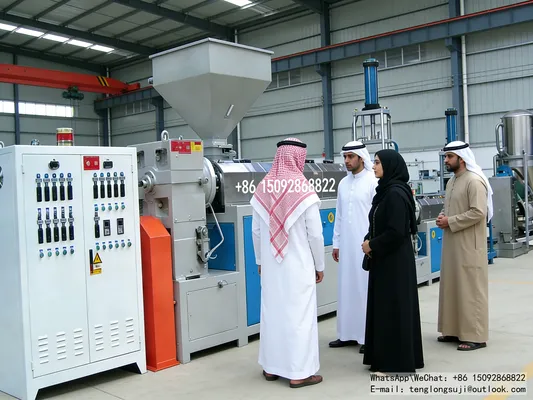
Plastic Recycling Machine
Technical Parameters (RPR-300)
| Parameter | Specification |
| Motor Power | 15 kW |
| Rotor Diameter | 250 mm |
| Number of Blades | 8 (Hardened Steel) |
| Screen Mesh Size | 8-20 mm (Adjustable) |
| Output Capacity | 100-300 kg/h |
FAQ
Q: Can the RPR-300 process PET rigid plastics? A: Yes, the RPR-300 efficiently processes PET rigid scraps (e.g., PET trays, cosmetic bottles) alongside HDPE, PP, and ABS, with an optional PET-specific washing module for enhanced decontamination.
Q: What maintenance is required for the RPR-300? A: Routine maintenance includes weekly blade inspection, monthly filter cleaning, and quarterly lubrication—taking less than 2 hours per week, with a detailed maintenance manual provided.
Q: Does the RPR-300 comply with PPWR regulations? A: Yes, the RPR-300 is designed to meet PPWR requirements, producing clean regrind that qualifies for PCR content credits in plastic packaging production.