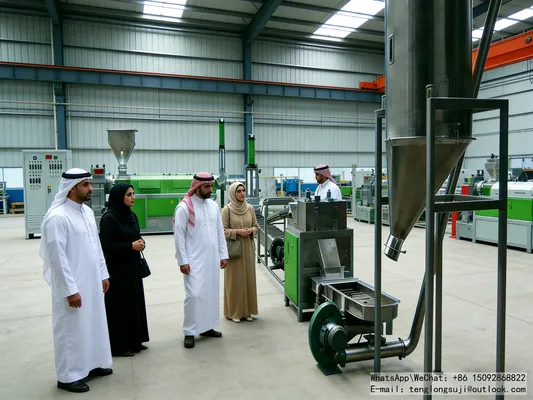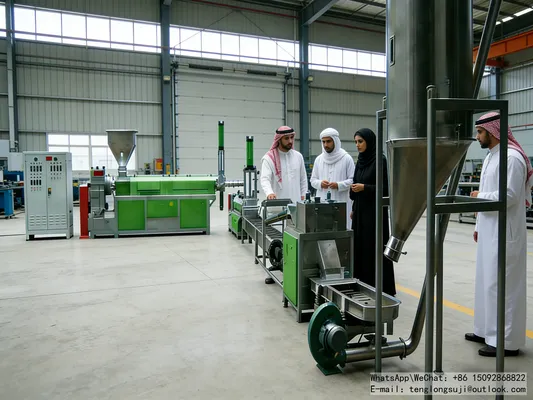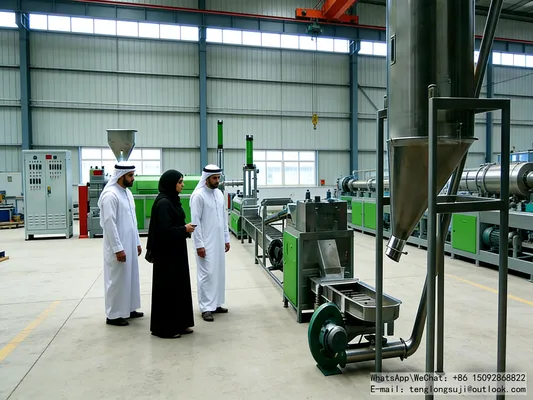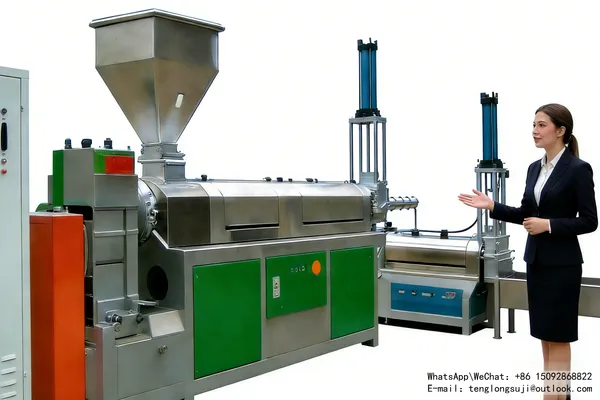
In 2026, the PP recycling industry is undergoing a significant transformation—with advanced PP Recycling Machine replacing outdated traditional recycling methods to meet growing demand for high-quality recycled PP and stricter environmental regulations. Traditional PP recycling methods, such as manual sorting and basic extrusion, are no longer efficient or cost-effective, while modern PP Recycling Machine offers superior performance, energy savings, and pellet quality. This article compares PP Recycling Machine with traditional methods, highlighting key advantages and why businesses should upgrade in 2026.
PP Recycling Machine
Key Differences Between PP Recycling Machine and Traditional Methods (Long-tail Keyword: PP Recycling Machine vs. Traditional Extrusion)
Traditional PP recycling methods rely on manual sorting, basic washing, and simple extrusion—processes that are labor-intensive, time-consuming, and prone to producing low-quality pellets. In contrast, modern PP Recycling Machine integrates automated sorting, advanced decontamination, and precision extrusion—delivering higher efficiency, better pellet quality, and lower operational costs. Below is a detailed comparison to help you evaluate your options:
| Criteria | Modern PP Recycling Machine (2026) | Traditional PP Recycling Methods |
| Sorting Efficiency | Automated optical sorting + centrifugal separation; 99% impurity removal rate | Manual sorting; 70-80% impurity removal rate |
| Throughput | 50-1000 kg/h (depending on model) | 10-50 kg/h |
| Pellet Quality | High purity (≥99.5%), consistent MFI (2-10 g/10min), good mechanical properties | Low purity (70-85%), inconsistent MFI, poor mechanical properties |
| Energy Consumption | 8-15 kWh/kg (with heat recovery) | 20-25 kWh/kg |
| Labor Requirements | 1-2 operators per machine | 5-10 workers per 50 kg/h throughput |
| Compliance with Standards | Meets GRS, ISCC, REACH requirements | Rarely meets international certification standards |
Advantages of PP Recycling Machine Over Traditional Methods in 2026
The shift to PP Recycling Machine offers numerous benefits for recycling businesses—from higher profits to improved compliance. Key advantages include:
- Higher Profit Margins: By producing high-quality recycled PP pellets that command a premium ($0.80-$1.20/kg vs. $0.40-$0.60/kg for low-quality pellets from traditional methods), businesses can significantly boost their profit margins.
- Reduced Operational Costs: Automated sorting and energy-saving features cut labor and energy costs by 30-40% compared to traditional methods. For example, a 200 kg/h PP Recycling Machine requires only 2 operators—while the same throughput with traditional methods would need 8-10 workers.
- Compliance with Regulations: Modern PP Recycling Machineis designed to meet global standards such as GRS and REACH—allowing businesses to access international markets and secure long-term contracts with large buyers.
- Environmental Benefits: By reducing energy consumption and material waste,PP Recycling Machinehelps businesses lower their carbon footprint. A single 500 kg/h machine can reduce CO2 emissions by 1,200 tons per year compared to traditional methods.
When to Upgrade to a PP Recycling Machine in 2026
If your business is still using traditional PP recycling methods, 2026 is the ideal time to upgrade to a PP Recycling Machine if you:
- Struggle to meet customer demand for high-quality recycled PP pellets.
- Face rising labor and energy costs that are eroding your profit margins.
- Need to comply with GRS, ISCC, or REACH certifications to access new markets.
- Want to reduce your environmental impact and align with circular economy goals.
FAQ: PP Recycling Machine vs. Traditional Methods
- Q: Is upgrading to a PP Recycling Machine cost-effective for small businesses?A: Yes—even small businesses can benefit from upgrading. The cost of a small-scale PP Recycling Machine ($15,000-$25,000) is offset by reduced labor and energy costs, plus higher revenue from high-quality pellets—resulting in an ROI of 12-18 months.
- Q: Can I reuse any parts from my traditional recycling equipment with a new PP Recycling Machine? A: In most cases, no. Traditional equipment is not compatible with modern PP Recycling Machine, as the latter requires advanced components such as automated sorters and heat recovery units. However, some basic tools (e.g., forklifts, storage bins) can be reused.
- Q: How long does it take to transition from traditional methods to a PP Recycling Machine? A: The transition typically takes 2-4 weeks—including machine installation, operator training, and process optimization. Most manufacturers provide on-site support to ensure a smooth transition with minimal downtime.
- Q: Do PP Recycling Machine require more maintenance than traditional equipment? A: No—modern PP Recycling Machine are designed for low maintenance, with automated cleaning systems and easy-to-replace parts. Maintenance costs are typically 20-30% lower than traditional equipment.