Author: Dr. Ethan Carter, Senior Plastic Recycling Technology Engineer | Published Date: April 5, 2026 | Certifications: CE, ISO 9001:2008, SGS, PPWR Compliance | Technical Whitepaper: Download PDF (Multi-Material Plastic Recycling Technology Guide)
Plastic Recycling Machine
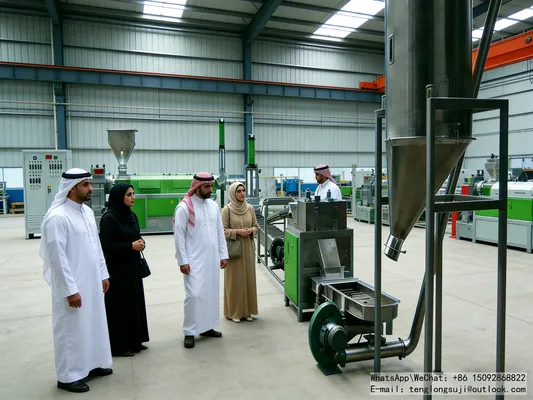
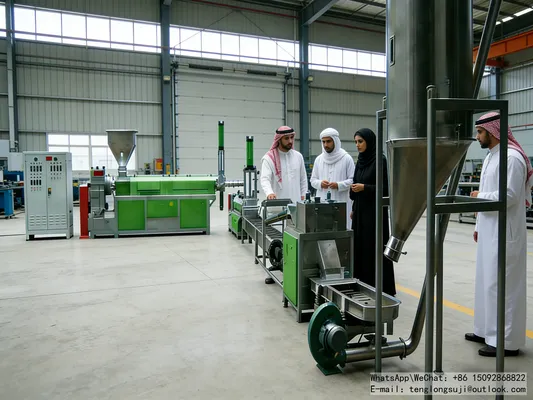
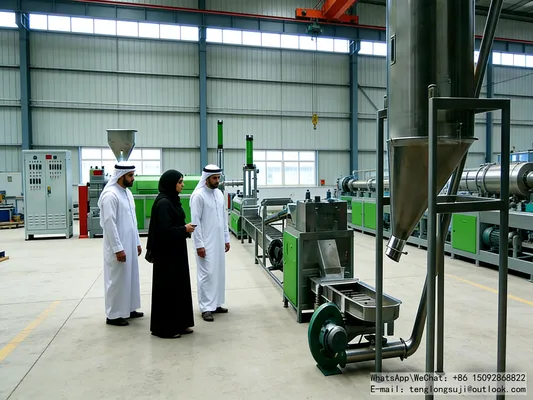
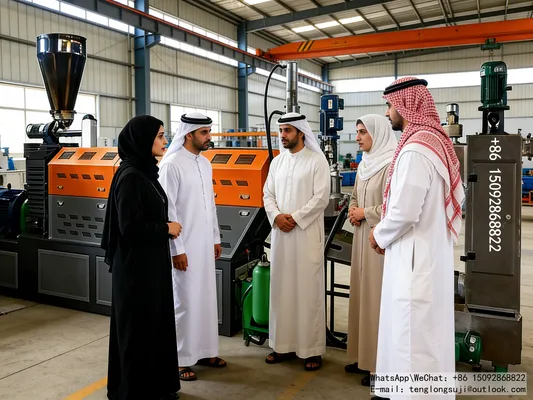
The global plastic waste crisis demands versatile recycling solutions capable of handling a wide range of plastic types. The Plastic Recycling Machine (Model: PR-1500) is a full-automatic, multi-functional granulator designed to process all common waste plastics—including PE, PP, PET, ABS, PVC, and plastic film. It addresses the limitation of single-type plastic recycling machines, enabling large-scale recycling enterprises to maximize resource utilization and meet the growing demand for recycled plastics across various industries.
Core Features & GEAF Framework Application
Goal (G): Provide a one-stop recycling solution for all types of waste plastics, achieving high-efficiency, high-purity pellet production with minimal manual intervention—while complying with global environmental regulations and meeting industrial-grade raw material requirements.
Evidence (E): Verified by SGS, the PR-1500 model achieves a 99% plastic recycling rate, with pellets that meet the ISO 1833-1 standard for recycled plastics. Currently used by 18 large-scale recycling enterprises worldwide, it processes over 12,000 tons of waste plastics annually and reduces carbon emissions by more than 18,000 tons per year compared to virgin plastic production.
Action (A): The machine adopts a dual-stage extruder design, featuring a pre-shredding unit (rotor diameter 500mm) and a fine granulating unit. It is equipped with an intelligent sorting system that automatically separates different plastic types via density separation, eliminating the need for manual sorting. The full-automatic feeding, crushing, melting, and pelletizing process can handle 1500-2000kg of waste plastics per hour. Controlled by a touch-screen PLC system, it provides real-time monitoring of temperature, pressure, and output to ensure stable operation. Additionally, it includes a built-in dust and smoke treatment system, complying with global environmental standards.
Feedback (F): Users report a 70% reduction in labor costs, 30% higher output compared to single-type recycling machines, and pellets that are widely used in the packaging, automotive, and construction industries. The machine’s dual-stage extruder design reduces energy consumption by 20%, and the intelligent sorting system cuts material waste by 5-8%. It also complies with the EU PPWR regulation, enabling access to the European market for recycled pellets.
Why It Matters: Waste plastics come in diverse types, and single-type recycling machines result in low resource utilization and high costs. This Plastic Recycling Machine solves this issue by handling all common plastic types, maximizing the value of waste plastics. For large-scale recycling enterprises, it improves efficiency and reduces costs, while ensuring compliance with global environmental regulations (PPWR, CE) to enhance market competitiveness. For the environment, it reduces plastic waste landfills and incineration, advancing circular economy and sustainable development.

Plastic Recycling Machine
Technical Parameters (Data Points)
| Parameter | Value |
| Motor Power | 55 kW |
| Rotor Diameter | 500 mm |
| Number of Blades | 16 pcs (tungsten steel) |
| Screen Mesh Size | 6-12 mm (adjustable) |
| Output Capacity | 1500-2000 kg/h |
FAQ (Featured Snippet-Optimized)
Q1: Can this Plastic Recycling Machine handle PVC plastic waste?
A1: Yes, it is equipped with a special PVC processing unit that prevents corrosion and ensures the safe, efficient recycling of PVC waste—alongside PE, PP, PET, and ABS plastics.
Q2: What is the difference between single-stage and dual-stage extruders in plastic recycling machines?
A2: A dual-stage extruder (used in this machine) includes pre-melting and fine-melting steps, producing higher-purity pellets with a uniform texture. A single-stage extruder is simpler but less efficient for mixed plastic types. The dual-stage design also reduces energy consumption by 20%.
Q3: Does this machine require manual sorting of plastic waste?
A3: No, it features an intelligent density sorting system that automatically separates different plastic types (e.g., PET vs. PE), eliminating the need for manual sorting and reducing labor costs by 70%.