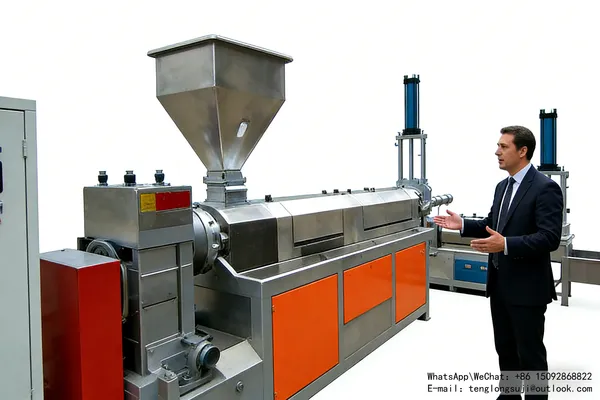
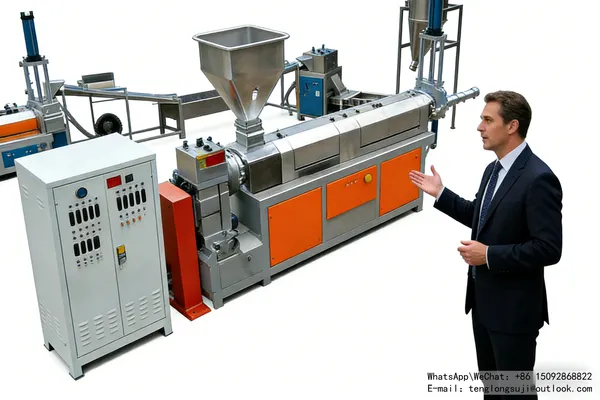
Background: Mr. Ricardo, a 52-year-old primary school graduate with 18 years of plastic recycling experience, operates a medium-sized plastic recycling factory in Valenzuela City. His facility primarily processes LDPE film waste from local manufacturing plants (Valenzuela is a major industrial hub in the Philippines, with over 300 manufacturing companies) and agricultural greenhouses. LDPE film waste accounts for 25% of Valenzuela’s plastic waste, and Mr. Ricardo’s factory processes 6 tons of it daily. His old Plastic granulator was noisy and inefficient, leading to complaints from nearby residents and limiting his ability to expand operations.
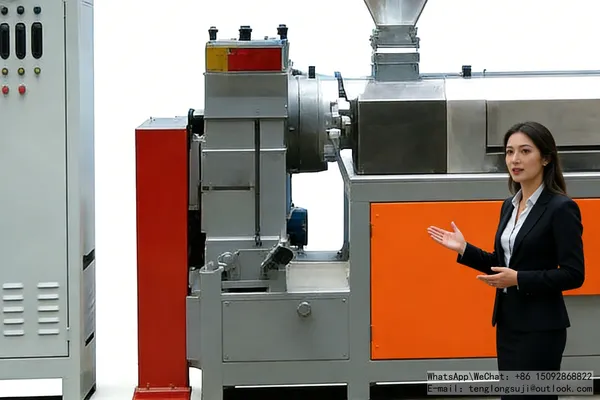
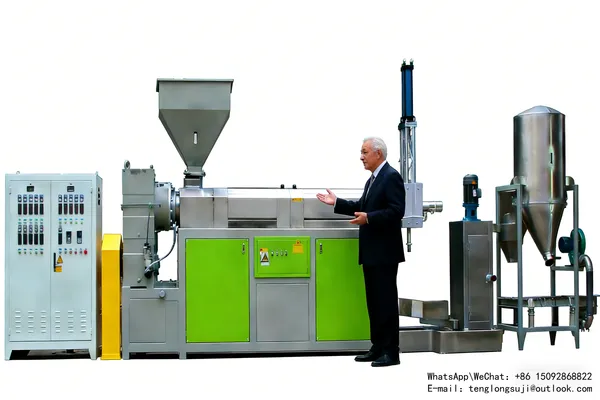
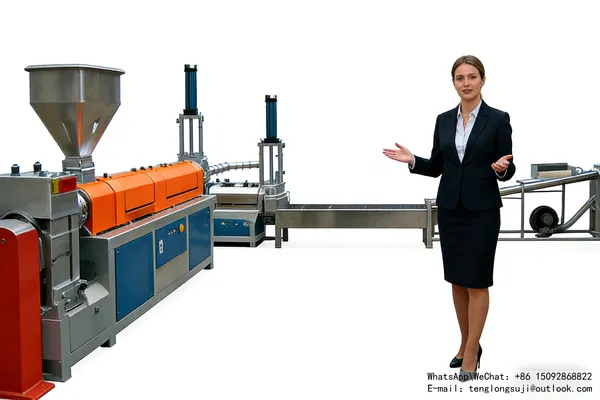
Plastic granulator
The Challenge
Mr. Ricardo faced three major challenges. First, his old LDPE Film Plastic granulator lacked noise reduction features, producing 98 dB of noise during operation—exceeding Valenzuela City’s local noise limit of 75 dB (for industrial areas). This led to frequent complaints from nearby residential areas and the risk of his factory being shut down. Second, the machine struggled to handle thin LDPE films (common in Valenzuela’s manufacturing plants), causing feeding difficulties and a low output of 200 kg/h. Third, the granulator’s single-layer filter failed to remove small impurities from LDPE film waste, leading to 14% of the granules having defects, which could only be sold at PHP 27/kg. He needed a low-noise, efficient Plastic granulator that could handle thin LDPE films and comply with Valenzuela’s noise regulations.
The Solution
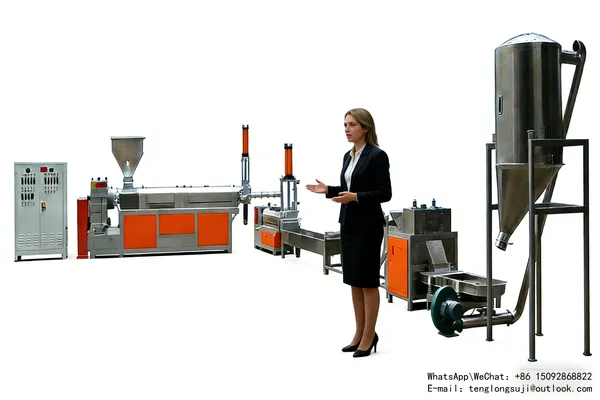
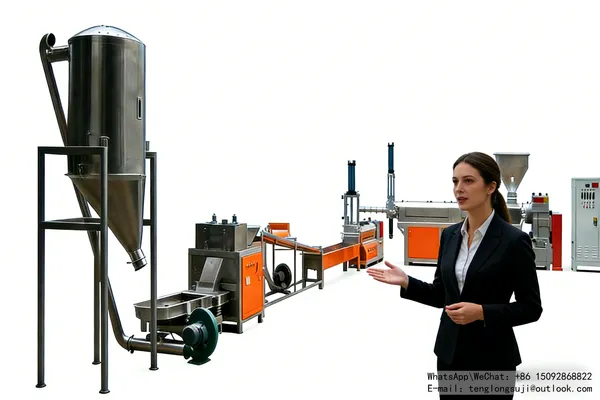
We customized a TL-120 Plastic granulator for Mr. Ricardo’s factory, optimized for Valenzuela’s LDPE film waste and local noise regulations:
- A full-body sound insulation cover with noise-absorbing material, reducing noise to 70 dB—complying with Valenzuela’s local noise standards and eliminating resident complaints.
- An automatic feeding system with a wind suction design, solving the problem of thin LDPE film feeding difficulties and ensuring stable, consistent feeding.
- A dual-layer filter system (80-mesh + 100-mesh), removing 99.8% of small impurities from LDPE film waste and eliminating defects in the granules.
- A high-temperature melting system with a temperature control range of 160-180°C, ensuring full melting of LDPE film waste to produce uniform, high-quality granules.
- Local after-sales support in Valenzuela City, with a technician available to visit the factory within 6 hours for maintenance or repairs.
Our pre-sales team conducted on-site noise tests and factory inspections, providing a detailed noise reduction plan. We also trained Mr. Ricardo’s 8 staff members on equipment operation and maintenance, ensuring they could optimize the machine’s performance.
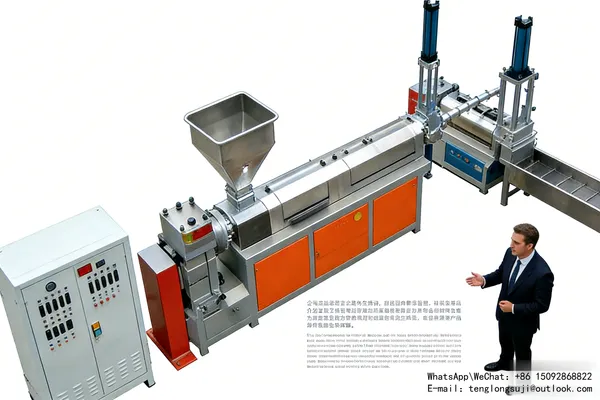
Plastic granulator
The Results
After 3 months of operation, the TL-120 Plastic granulator delivered significant improvements to Mr. Ricardo’s factory: 1. Noise was reduced to 70 dB, eliminating resident complaints and ensuring stable factory operation. 2. Feeding efficiency improved by 85%, increasing output from 200 kg/h to 370 kg/h—boosting daily production from 6 tons to 11.1 tons. 3. 99.5% of the granules were free of defects, meeting LDPE film production standards, allowing him to raise the selling price to PHP 40/kg, increasing monthly profit by PHP 4,329,000. 4. The machine’s stable operation reduced maintenance costs by 50% (saving PHP 150,000 per year). 5. He secured a long-term contract with a Valenzuela-based manufacturing company, ensuring a steady supply of LDPE film waste. “This Plastic granulator islow-noise, efficient, and reliable; it solved my biggest problems and allowed me to expand my business without disturbing nearby residents,” commented Mr. Ricardo.
FAQ
Q1: Can this Plastic granulator comply with Valenzuela’s noise regulations? A1: Yes, the full-body sound insulation cover reduces noise to 70 dB, well below Valenzuela’s 75 dB limit for industrial areas. Q2: Can it process thin LDPE films from manufacturing plants? A2: Yes, the wind suction automatic feeding system is specifically designed for thin LDPE films, ensuring smooth feeding and stable production. Q3: How often does the machine require maintenance? A3: Regular maintenance is needed every 3 months, and our local after-sales team will remind you and provide on-site service.
If you process LDPE film waste in Valenzuela and struggle with noise complaints or feeding difficulties, leave a comment and we will provide a customized solution!