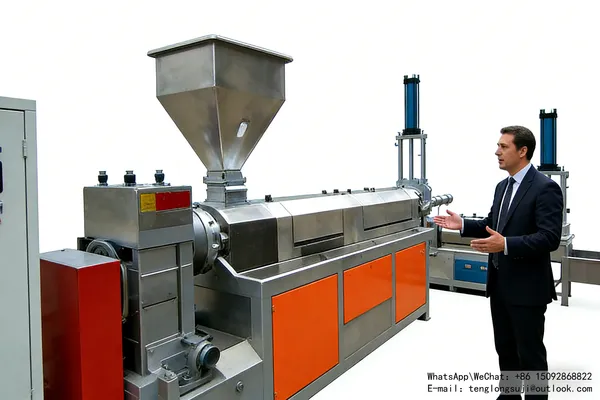
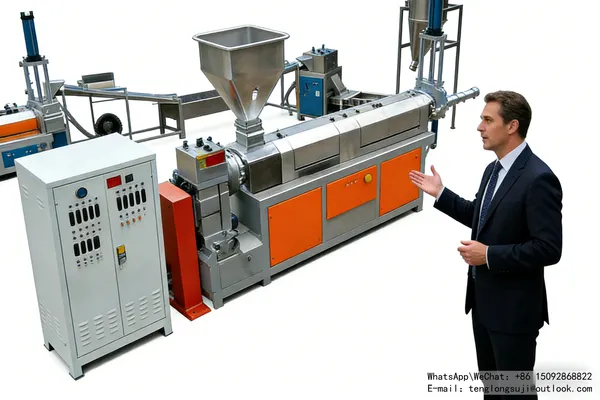
Background: U Win Naing, a 38-year-old male with a junior high school education, is a Chinese-Myanmar overseas Chinese residing in Mandalay. He has been in the plastic woven bag production industry for 10 years, and his small factory (1,000 square meters, 15 workers) mainly produces plastic woven bags for local agricultural product packaging. In recent years, as Myanmar’s agricultural industry develops, demand for plastic woven bags has grown, but the cost of new plastic particles has skyrocketed. U Win Naing decided to introduce a Plastic granulator to recycle waste plastic woven bags (from his own factory and local collections) and reduce raw material costs. As Myanmar’s second-largest city and a major agricultural distribution center, Mandalay has abundant waste plastic woven bags from agriculture and the cement industry.
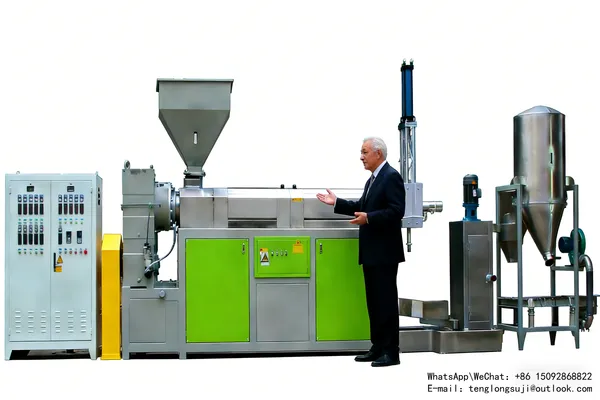
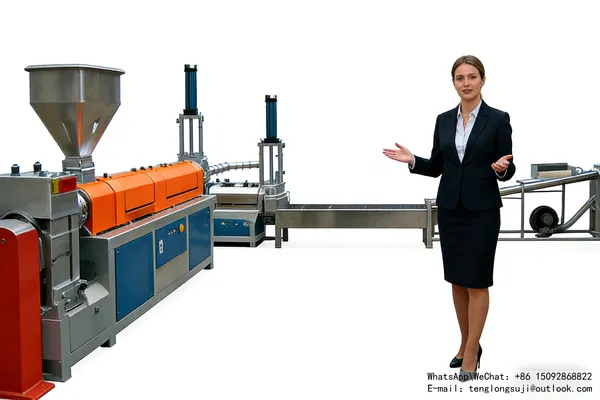
Plastic granulator
The Challenge
U Win Naing faced two key challenges. First, waste plastic woven bags contain large amounts of impurities (such as soil and thread), and the traditional Plastic granulator he tried earlier frequently clogged—shutting down 3-4 times a day and severely disrupting production. Second, the equipment was extremely noisy (over 90dB), and his factory is near a residential area, leading to frequent resident complaints and even the risk of government-ordered shutdowns. Additionally, he has no professional mechanical knowledge, so he needed easy-to-operate, low-maintenance equipment. Unlike other suppliers, he prioritized after-sales service, as he could not resolve equipment failures on his own.
The Solution
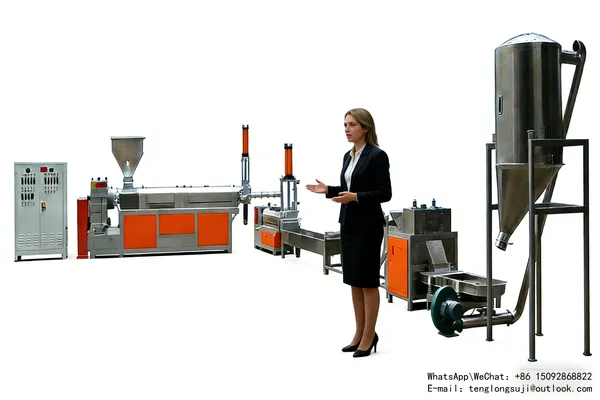
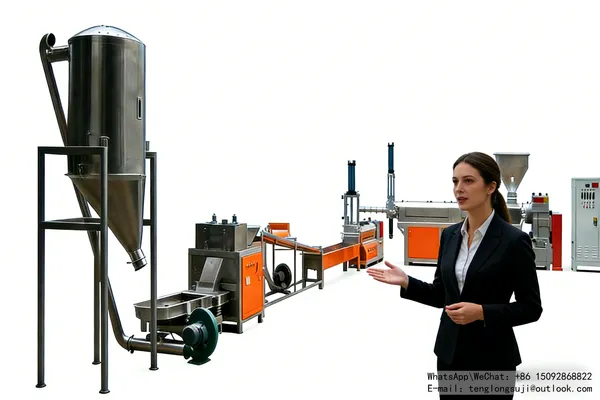
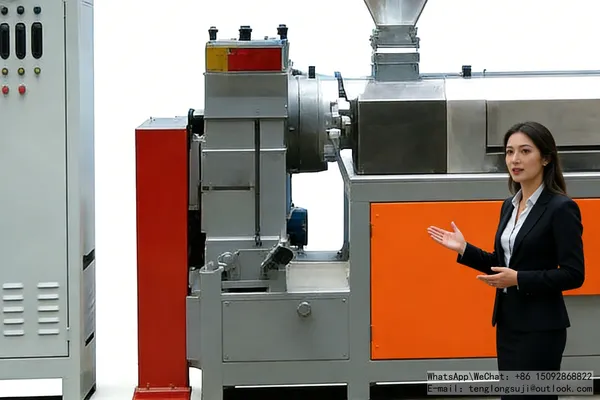
We provided U Win Naing with a TL-250 low-noise Plastic granulator, customized for waste plastic woven bags and suitable for factory environments near residential areas. The specific configuration includes:
- A special feeding hopper with a filter screen to remove large impurities and prevent clogging.
- A specialized screw design with strong anti-clogging performance, capable of processing waste plastic woven bags with up to 8% impurity content.
- A multi-layer noise reduction system (including a noise cover and shock-absorbing pads) that lowers operating noise to below 65dB, complying with local environmental and residential noise standards.
- PLC full-automatic control with a simple interface, allowing workers to master operation in just 1 day of training.
- On-site maintenance within 72 hours in Mandalay and a 24-hour online technical hotline to resolve equipment failures promptly.
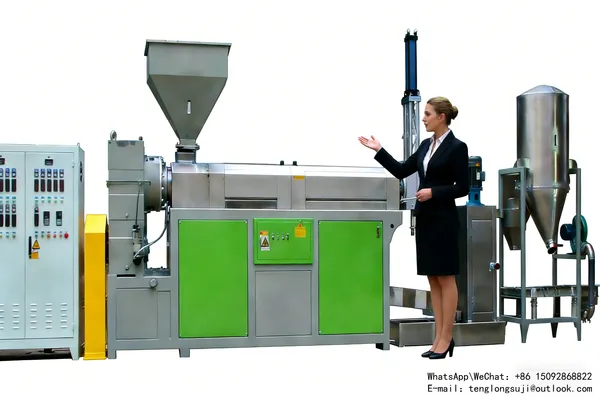
Plastic granulator
The Results
After 4 months of operation, the Plastic granulator completely solved U Win Naing’s challenges. Equipment clogging was eliminated, and average daily operation time increased from 8 hours to 12 hours. Production capacity reached 350kg/h, and the recycled plastic particles could be directly used in plastic woven bag production, reducing raw material costs by 45%—saving about 400,000 Kyats (around 150 US dollars) monthly. The low-noise design stopped resident complaints, allowing the factory to operate normally without shutdown risks. Additionally, he began collecting waste plastic woven bags from local farmers and cement factories, expanding his raw material sources and increasing monthly income by 60%. “This Plastic granulator is very easy to operate, no blockage and low noise, and the after-sales service is very thoughtful. It has helped me save a lot of costs,” U Win Naing said.
FAQ
Q1: Can this Plastic granulator process waste plastic woven bags with impurities? A1: Yes, the filter screen and anti-clogging screw enable processing of waste plastic woven bags with up to 8% impurity content.
Q2: Is the equipment easy to operate for workers without professional mechanical knowledge? A2: Yes, the PLC full-automatic control with a simple interface allows workers to master operation quickly through short training.
If your factory is near a residential area, have you faced noise issues with plastic granulation equipment? How did you solve them? Leave your comment!