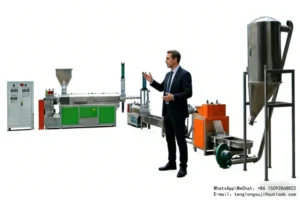
Starting a plastic recycling business in 2026 presents substantial opportunities, fueled by the global surge in demand for recycled plastics and supportive environmental policies worldwide. However, long-term success hinges on three critical factors: selecting the right equipment, optimizing production workflows, and managing operational costs efficiently. As the cornerstone of any plastic recycling operation, the Plastic Pelletizing Machine directly impacts production efficiency, product quality, and profitability. This guide delivers practical, actionable advice for recycling entrepreneurs to select, operate, and maintain a Plastic Pelletizing Machine—helping you maximize returns and build a sustainable, profitable business.
Plastic Pelletizing Machine
Choosing the Right Plastic Pelletizing Machine for Your Startup
For startup entrepreneurs, selecting a cost-effective, fit-for-purpose Plastic Pelletizing Machine is a make-or-break decision. It directly influences your initial investment, operational costs, and ability to scale. Below are the key considerations to guide your selection:
- Start with Small-Scale Equipment (Long-tail keyword: Small scale Plastic Pelletizing Machine for startup)
A small-scale Plastic Pelletizing Machine—with a screw diameter of 40-50mm and output capacity of 50-100 kg/h—is the ideal starting point for new entrepreneurs. These models require a lower initial investment ($15,000-$30,000), are user-friendly for first-time operators, and are versatile enough to process common recyclables like PET bottles, PP/PE waste, and HDPE. This allows you to test market demand, refine your operations, and build a loyal customer base before scaling up.
- Prioritize Versatility
Select a Plastic Pelletizing Machine capable of processing multiple plastic types—including PET, PP, PE, and HDPE. This versatility expands your raw material sources (e.g., mixed plastic waste from local businesses) and product range, reducing the risk of relying on a single material and opening up more revenue streams. Look for models with interchangeable screws or adjustable temperature controls to simplify switching between plastic types.
- Focus on Energy Efficiency
Energy costs typically account for 20-30% of total operational expenses in plastic recycling businesses—making energy efficiency a critical factor for profitability. Choose an energy-saving Plastic Pelletizing Machine with an energy consumption rate of ≤35 kWh per ton of pellets. Models equipped with heat recovery units or variable frequency drives (VFD) can further reduce energy waste, cutting monthly utility bills and boosting your bottom line.
Optimizing Plastic Pelletizing Machine Operation to Reduce Costs
Once you’ve selected the right Plastic Pelletizing Machine, optimizing its operation is key to minimizing costs, maximizing output, and ensuring consistent pellet quality. Below are practical, actionable tips tailored to startup entrepreneurs:
- Raw Material Preparation: Properly clean and sort raw materials to remove impurities (e.g., labels, metal, paper, food residue). This not only reduces wear on the Plastic Pelletizing Machine’s screw and barrel—extending equipment life and lowering maintenance costs—but also ensures higher-purity pellets that command better market prices.
- Parameter Optimization: Adjust the Plastic Pelletizing Machine’s parameters based on the plastic type being processed to avoid inefficiency and waste. For example: PET requires a melting temperature of 250-270℃ and a screw speed of 180-220 rpm, while PP/PE can be processed at 160-220℃ with a higher screw speed (220-280 rpm). Refer to your machine’s manual or manufacturer guidelines for optimal settings.
- Regular Maintenance: Adhere to the manufacturer’s maintenance schedule to clean the screw, barrel, and pelletizing system, check lubrication levels, and replace worn parts (e.g., screw sleeves, pelletizing knives). Proactive maintenance reduces unplanned downtime—critical for startups with limited resources—and extends the machine’s service life (typically 5-8 years with proper care).
- Waste Reduction: Collect and reprocess defective pellets or production waste. This reduces raw material waste, increases the overall yield of your Plastic Pelletizing Machine, and ensures you get the most value from every batch of raw material.

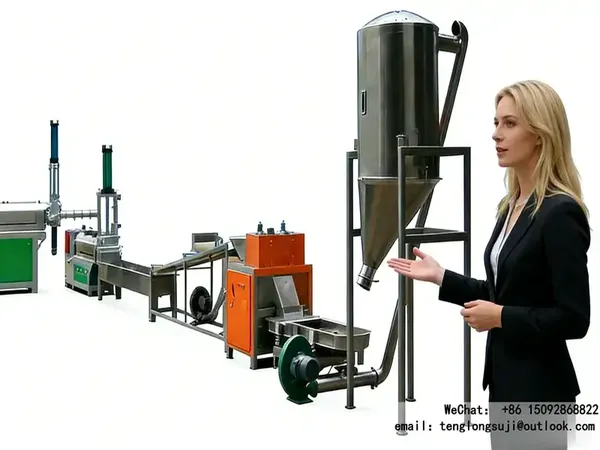
Plastic Pelletizing Machine
Expanding Revenue Streams with Plastic Pelletizing Machine
To maximize profitability with your Plastic Pelletizing Machine, go beyond basic recycling—leverage the equipment to produce high-value pellets and expand your revenue streams. Here are three proven strategies for startup entrepreneurs:
- Produce High-Purity Pellets: Invest in a Plastic Pelletizing Machinewith advanced decontamination systems and quality control features to produce high-purity pellets (e.g., food-grade rPET). These pellets meet GRS or ISCC certification standards and command a 10-15% premium over standard recycled pellets, opening up opportunities to sell to food packaging, textile, and automotive companies.
- Customize Pellet Specifications: Offer customized pellet sizes (2-5mm is standard, but adjust based on demand), colors, and properties (e.g., melt flow index) to meet the specific needs of your customers—such as injection molding companies, fiber manufacturers, or plastic product producers. Customization increases customer loyalty and allows you to charge higher prices for tailored solutions.
- Export Recycled Pellets: Ensure your Plastic Pelletizing Machineproduces pellets that comply with international certifications (GRS, ISCC, REACH) to access global markets (EU, US, Asia). The global demand for recycled plastic pellets is projected to grow by 28% in 2026, making exports a lucrative revenue stream for ambitious startups.
Case Study: How a Startup Succeeded with a Plastic Pelletizing Machine in 2026
GreenCycle, a US-based startup launched in early 2026, demonstrates how strategic use of a Plastic Pelletizing Machine can drive rapid growth and profitability. The company started with a small-scale Plastic Pelletizing Machine (screw diameter 50mm, output 80 kg/h) focused on PET bottle recycling, and optimized its operations with three key steps:
- Partnering with local grocery stores and convenience stores to source low-cost, high-quality PET bottle raw materials (reducing raw material costs by 15%).
- Investing in a pre-washing system to improve raw material purity, reducing wear on the Plastic Pelletizing Machineand increasing pellet quality.
- Calibrating the Plastic Pelletizing Machineto produce GRS-certified high-purity rPET pellets, allowing the company to sell to food packaging brands at a 12% premium.
Within 12 months, GreenCycle expanded its production capacity by adding a medium-sized Plastic Pelletizing Machine and increased its monthly revenue from $15,000 to $45,000—achieving a 200% return on investment. This case study proves that with the right Plastic Pelletizing Machine and operational strategy, startups can build profitable, scalable recycling businesses.
FAQ: Plastic Pelletizing Machine for Startup Entrepreneurs
- Plastic Pelletizing MachineQ: How much initial investment is required to start a plastic recycling business with a ?
A: For a small-scale startup, the total initial investment ranges from $30,000-$50,000. This includes the Plastic Pelletizing Machine($15,000-$30,000), raw material inventory, workspace rental, basic tools, and labor (2-3 operators).
Tags: Plastic Pelletizing Machine, small scale plastic pelletizer, plastic recycling startup guide, profitable plastic pelletizing, GRS certified recycled pellets, plastic recycling ROI
- Plastic Pelletizing MachineQ: Where can I source raw materials for the ?
A: Raw materials can be sourced from local waste management companies, grocery stores, restaurants, manufacturing facilities, and even residential recycling programs. Many of these sources are willing to sell plastic waste at a low cost (or even for free) to reduce their own waste disposal fees.
Meta Description: 2026 guide for recycling entrepreneurs to maximize profitability with Plastic Pelletizing Machine, including startup equipment selection, operation optimization, revenue expansion, and case study.
- Plastic Pelletizing MachineQ: How long does it take to recover the investment in a small-scale ?
A: With proper operation, market demand, and cost control, the investment in a small-scale Plastic Pelletizing Machinecan be recovered in 12-18 months. This timeline depends on your output volume, pellet quality, and market pricing. - Plastic Pelletizing MachineQ: Do I need technical expertise to operate a ?
A: No—most manufacturers provide on-site training for operators, and modern Plastic Pelletizing Machinemodels feature user-friendly PLC control systems. Basic knowledge of plastic materials and equipment maintenance is helpful but not required to get started.