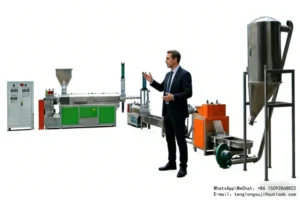
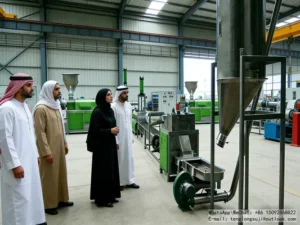
The integration of artificial intelligence (AI), Internet of Things (IoT), and automation technology is reshaping the plastic recycling industry in 2026. The Plastic Pelletizing Machine, a core component of the recycling process, is evolving from traditional mechanical equipment to intelligent systems, improving production efficiency, product quality, and operational convenience. According to the 2026 Global Industrial Automation Report, the market share of intelligent Plastic Pelletizing Machine is expected to reach 45% by the end of the year, driven by the demand for high-precision, low-cost recycling. This article explores the key intelligent technologies applied to Plastic Pelletizing Machine and their impact on the industry.

Plastic Pelletizing Machine
Key Intelligent Technologies in 2026 Plastic Pelletizing Machine
- AI-Powered Real-Time Monitoring and Control (Long-tail keyword: AI intelligent Plastic Pelletizing Machine)
Modern Plastic Pelletizing Machine is equipped with AI algorithms that monitor and adjust production parameters in real time. The system collects data from sensors (temperature, pressure, screw speed, pellet size) and uses machine learning to optimize parameters, ensuring consistent pellet quality and reducing human error.
For example, if the AI system detects an increase in impurity content in the raw material, it automatically adjusts the decontamination speed and temperature to maintain pellet purity. Additionally, AI can predict equipment failures (e.g., screw wear, bearing damage) by analyzing historical data, allowing for preventive maintenance and reducing downtime by 30-40%.
- IoT-Enabled Remote Operation and Data Management
IoT technology allows operators to control and monitor the Plastic Pelletizing Machine remotely via mobile phones or computers. This is particularly beneficial for large-scale recycling plants with multiple machines, as it enables centralized management and real-time data analysis.
The IoT system collects data such as production output, energy consumption, and equipment status, which can be analyzed to identify bottlenecks and optimize production processes. For example, if the data shows that a Plastic Pelletizing Machine is consuming more energy than usual, operators can adjust the parameters remotely to reduce energy waste.
- Automated Material Handling and Integration
Intelligent Plastic Pelletizing Machine is integrated with automated material handling systems, including conveyors, feeders, and sorting machines. This eliminates manual operation, reduces labor costs, and improves production efficiency.
For example, the automated feeder adjusts the feeding speed according to the Plastic Pelletizing Machine’s output, ensuring a stable supply of raw materials. The sorting machine automatically removes impurities before the material enters the pelletizer, reducing the risk of equipment damage and improving pellet quality.
- Digital Twin Technology for Simulation and Optimization
Digital twin technology creates a virtual model of the Plastic Pelletizing Machine, allowing manufacturers and users to simulate production processes and optimize parameters before actual operation. This reduces the time and cost of equipment debugging and improves the efficiency of new product development.
For example, a recycling enterprise can use the digital twin to simulate the processing of different plastic types and determine the optimal parameters for each material, reducing trial-and-error costs and improving production efficiency.
Benefits of Intelligent Plastic Pelletizing Machine for B2B Enterprises
- Improved Production Efficiency: Intelligent systems reduce downtime by 30-40%, increase output by 15-25%, and reduce labor costs by 20-30% compared to traditional Plastic Pelletizing Machine.
- Consistent Product Quality: AI and real-time monitoring ensure that pellet size, purity, and IV retention rate are consistent, meeting the requirements for high-value applications (e.g., food-grade packaging).
- Reduced Operational Costs: Energy-saving technologies and preventive maintenance reduce energy consumption and maintenance costs, improving the overall profitability of the enterprise.
- Enhanced Safety: Automated operation reduces the risk of accidents caused by manual intervention, ensuring a safer working environment.
Challenges and Solutions for Adopting Intelligent Plastic Pelletizing Machine
While intelligent Plastic Pelletizing Machine offers significant benefits, many B2B enter

Plastic Pelletizing Machine
prises face challenges in adoption, such as high initial investment and lack of technical expertise. Here are the solutions:
- Phased Upgrade: Enterprises can upgrade their existing Plastic Pelletizing Machinewith intelligent components (e.g., AI monitoring system, IoT module) instead of purchasing new equipment, reducing initial investment.
- Technical Training: Manufacturers provide training for operators to master the use of intelligent systems, ensuring that enterprises can fully utilize the equipment’s functions.
- Financing Support: Many financial institutions offer loans and leasing services for industrial automation equipment, helping enterprises reduce the financial burden of adopting intelligent Plastic Pelletizing Machine.
FAQ: Intelligent Plastic Pelletizing Machine
- Plastic Pelletizing MachineQ: What is the cost difference between an intelligent and a traditional model?
A: Intelligent models are 20-30% more expensive than traditional models, but the investment can be recovered in 1-2 years due to reduced labor and maintenance costs, and increased production efficiency. - Plastic Pelletizing MachineQ: Can small-scale enterprises afford intelligent?
A: Yes, many manufacturers offer small-scale intelligent models with basic AI and IoT functions, priced between $25,000 and $40,000. Additionally, phased upgrades are available to reduce initial investment. - Plastic Pelletizing MachineQ: How reliable is the AI monitoring system in ?
A: The AI system has a reliability rate of 99.5% or higher, with built-in backup systems to ensure continuous operation. Manufacturers also provide 24/7 technical support to resolve any issues. - Plastic Pelletizing MachineQ: Can intelligent be integrated with existing recycling systems?
A: Yes, most intelligent models are designed to be compatible with existing conveyors, sorting machines, and storage systems, making integration seamless.