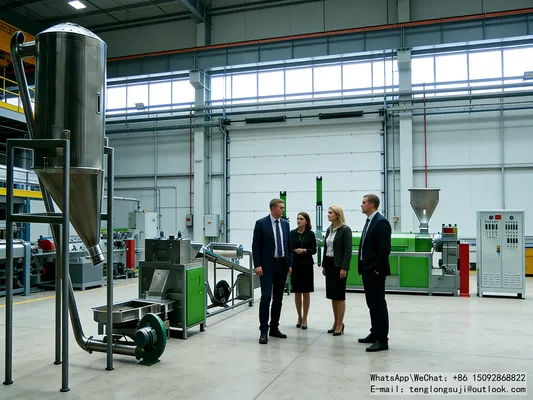
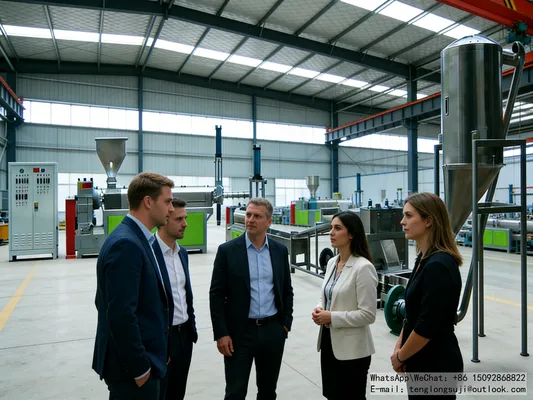
Choosing the right Plastic Granulator is critical for B2B plastic recycling enterprises to ensure production efficiency, product quality, and long-term profitability. In 2026, with the diversification of recycled plastics and the upgrading of environmental policies, the market offers a wide range of pelletizing equipment—making it challenging for buyers to make informed decisions. This guide provides a comprehensive framework for selecting a Plastic Granulator that aligns with your business scale, material type, and compliance requirements, focusing on key factors such as model selection, technical parameters, and after-sales support.

Plastic Granulator
Key Factors to Consider When Selecting a Plastic Granulator
Before purchasing a Plastic Granulator, enterprises need to clarify their specific needs and evaluate the following core factors to avoid costly mistakes:
- Material Type and Processing Requirements (Long-tail keyword: Plastic Granulator for PP/PE Recycling)
Different plastics have distinct melting points, viscosity, and processing characteristics—requiring corresponding Plastic Granulator configurations to ensure optimal performance:
- PET: Requires high-temperature resistance (250-270℃), high IV retention rate, and strict decontamination. Choose models with a single-screw or twin-screw design (twin-screw for higher mixing efficiency) and a water ring granulator (Water Ring Pelletizer) system to ensure pellet purity.
- PP/PE/HDPE: Lower melting points (160-220℃) and better flowability. A single-screw Plastic Granulatorwith an air-cooled pelletizing system is sufficient, and it can be equipped with a plastic crusher for pre-processing waste plastics to improve efficiency.
- Mixed Plastics: For enterprises processing multiple plastic types, choose a dual-purpose or adjustable Plastic Granulatorwith interchangeable screws and temperature control systems. This reduces equipment investment and expands your raw material options.
- Production Scale and Output Requirements
The output of a Plastic Granulator is determined by its screw diameter, speed, and power. Below is a reference table for 2026 mainstream models, helping you match the machine to your business scale:
| Machine Type | Screw Diameter (mm) | Output (kg/h) | Power (kW) | Suitable Business Scale |
| Small Plastic Granulator | 40-50 | 50-100 | 15-22 | Start-ups, small recycling workshops |
| Medium Plastic Granulator | 65-80 | 150-300 | 30-55 | Medium-sized recycling enterprises |
| Large Plastic Granulator | 90-120 | 400-800 | 75-110 | Large-scale recycling plants, industrial waste treatment |
- Energy Efficiency and Environmental Compliance
In 2026, energy efficiency and environmental protection are non-negotiable criteria for selecting industrial equipment. A high-quality Plastic Granulator should have an energy-saving rate of ≥15% compared to traditional models, with heat recovery units to reuse waste heat and reduce operational costs. Additionally, it should meet local emission standards (e.g., EU’s REACH, China’s GB/T 3095-2012) to avoid legal risks and ensure market access.
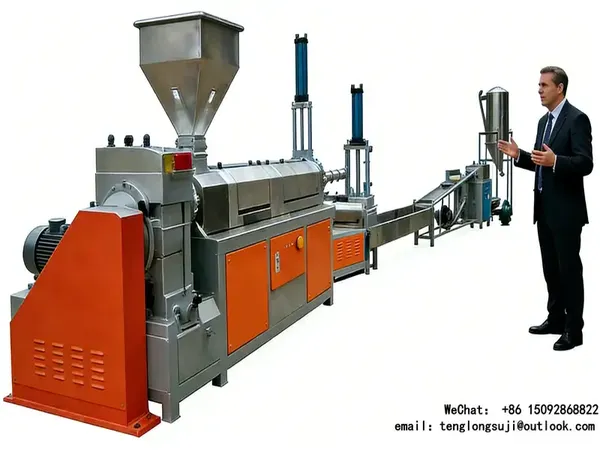
Plastic Granulator
- After-Sales Support and Maintenance
The service life of a Plastic Granulator is typically 5-8 years, so reliable after-sales support is essential to minimize downtime. Choose manufacturers that offer on-site installation, operator training, and 24/7 technical support. Additionally, check the availability of spare parts (e.g., screws, barrels, granulating knives) to ensure quick replacements when needed.
Common Mistakes to Avoid When Buying a Plastic Granulator
- Prioritizing price over quality: Choosing a low-cost Plastic Granulatormay lead to frequent breakdowns, low pellet quality, and higher long-term maintenance costs—undermining profitability.
- Ignoring material compatibility: Purchasing a machine that is not suitable for the target plastic type (e.g., using a PP granulator for PET) will result in low production efficiency and poor product quality, limiting market opportunities.
- Overlooking compliance requirements: Failing to consider international certifications (GRS, ISCC) may limit the export of recycled pellets, cutting off high-value global markets.
- Neglecting after-sales service: Manufacturers without a complete after-sales system may cause long downtime when equipment fails, resulting in lost revenue.
FAQ: Choosing a Plastic Granulator
- Plastic GranulatorQ: What is the difference between single-screw and twin-screw ?
A: Single-screw models are suitable for processing single plastic types (e.g., PP, PE) with lower investment and simpler operation—ideal for small to medium-scale enterprises. Twin-screw models have better mixing and plasticizing effects, suitable for mixed plastics or high-purity requirements (e.g., PET), but come with a higher cost. - Plastic GranulatorQ: How much does a medium-sized cost in 2026?
A: The price ranges from $35,000 to $80,000, depending on the brand, technical configuration (e.g., intelligent control, energy-saving system), and after-sales service. Investing in a high-quality model reduces long-term costs and ensures consistent performance. - Plastic GranulatorQ: Can a be customized according to specific needs?
A: Yes, most professional manufacturers offer customized services, such as adjusting screw design, output capacity, and pellet size to meet the unique requirements of enterprises—whether for specialized materials or production scales. - Plastic GranulatorQ: What is the average maintenance cost of a?
A: The annual maintenance cost is approximately 5-8% of the equipment price, including spare parts replacement, lubrication, and cleaning. Regular maintenance extends the machine’s service life and avoids costly breakdowns.