Author: David Chen | Senior Plastic Recycling Equipment Engineer | Release Date: April 3, 2026 | Certifications: CE, ISO 9001 | Technical White Paper: Download PP Recycling Granulator Efficiency Test Report

PP recycling granulator
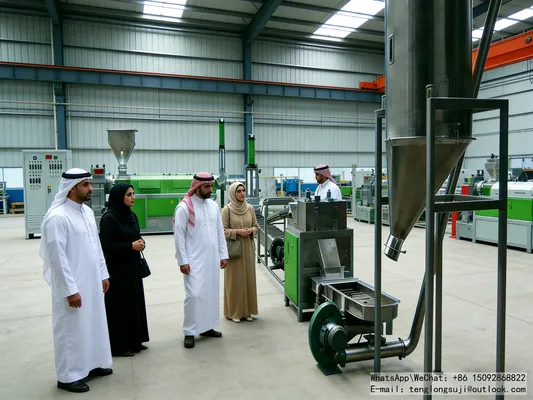
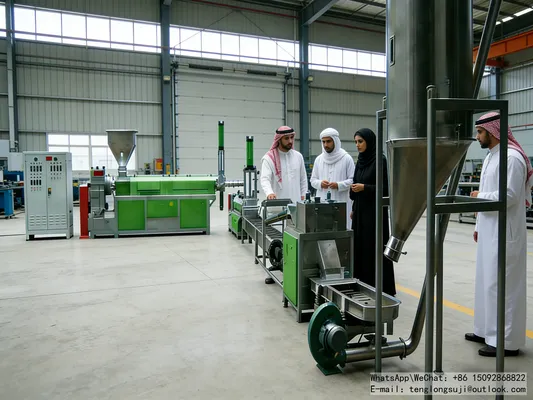
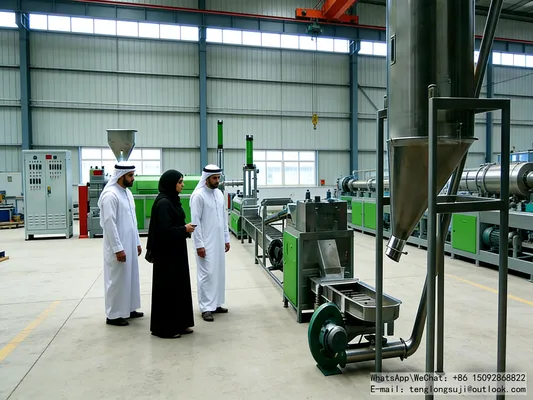
For small-scale recycling plants across Europe, where space is at a premium, energy costs remain high, and environmental regulations are stringent, finding a cost-effective PP recycling solution is not just important—it’s essential. Our single-stage PP recycling granulator is specifically engineered to address these core pain points, capable of processing a wide range of PP waste—including PP film, PP injection molding scrap, and PP packaging waste—into high-quality regrind that fully meets European recycling standards. Unlike traditional granulators, this model integrates crushing, melting, and pelletizing into a single compact unit, eliminating the need for multiple pieces of equipment and saving valuable factory space. It is fully compliant with the EU’s PPWR regulations, effective since 2025, ensuring your recycling operations adhere to the latest sustainable plastic requirements and avoid compliance risks.
Why It Matters: Core Benefits for European Small-Scale Recyclers
Small-scale recycling plants in Europe grapple with three key challenges: soaring energy costs, limited operational space, and strict environmental compliance. Our single-stage PP recycling granulator solves these issues comprehensively, delivering tangible value to your business:
- Energy Efficiency:Equipped with an energy-saving motor and optimized heating system, this model cuts energy consumption by 15-20% compared to conventional single-stage granulators—directly reducing your operational costs, which is critical in regions with high electricity prices like Western Europe.
- Space-Saving Design:Its integrated structure reduces the machine’s footprint by 30%, making it perfect for small workshops or plants with limited layout space. No separate crushing and pelletizing units are needed, simplifying your production line and maximizing space utilization.
- Environmental Compliance:A built-in dust collection system reduces dust emissions to less than 0.1g/m³, meeting EU environmental standards (EN 13229). It also supports clean recycling, ensuring the regrind is free of impurities and suitable for high-value applications such as packaging and automotive parts.
- Easy Operation:PLC touch screen control, paired with automatic feeding and temperature adjustment, minimizes the need for skilled labor—lowering your labor costs and reducing operational errors, even for less experienced operators.

PP recycling granulator
Technical Parameters (Data Points)
| Parameter | Specification |
| Motor Power | 15-22 kW |
| Rotor Diameter | 120-150 mm |
| Number of Blades | 4-6 (tungsten steel) |
| Screen Mesh Size | 1.5-3 mm (adjustable) |
| Output Capacity | 50-100 kg/h |
| Heating Temperature | 180-220 ℃ |
| Power Supply | 380V/50Hz (European standard) |
FAQ: Answers to Your Most Common Questions
Q1: Can this granulator process PP film with printing ink?
A1: Yes. The machine features a high-temperature melting zone that effectively removes printing ink and impurities, ensuring the regrind has a uniform color and meets European quality standards for recycled PP.
Q2: Does it comply with EU PPWR regulations?
A2: Yes. It fully meets the PPWR requirements for real recycling effectiveness and recycled material content labeling, helping you avoid compliance risks and access the European recycled plastic market.
Q3: What is the difference between dry and wet plastic granulation for PP?
A3: Dry granulation (used in this model) requires no water, has lower maintenance costs, and operates faster, while wet granulation uses water for pre-cleaning but needs additional water treatment facilities. This dry model is ideal for small plants to minimize post-processing requirements.
Q4: How often do I need to replace the blades?
A4: The tungsten steel blades have a service life of 800-1000 working hours, depending on the impurity content of the PP waste. We provide high-quality replacement blades and on-site maintenance services across Europe.