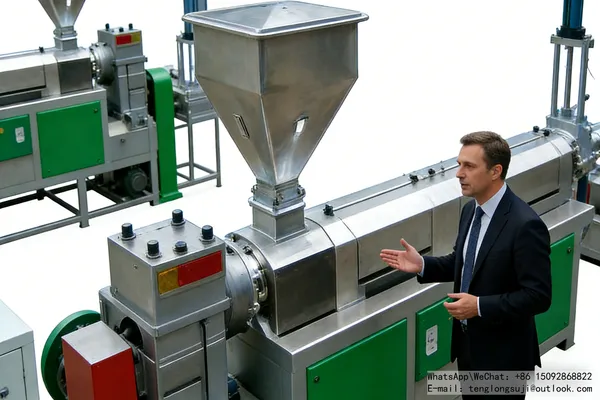
Background: Ms. Maria D’Souza, a college-educated environmentalist from Panaji, Goa, founded a small recycling enterprise in 2024. With Goa’s golden beaches suffering from severe plastic pollution and 27% of its coastline eroding due to unscientific human activity, she aimed to collect and recycle beach plastic waste (bottles, wrappers, and fishing nets) into eco-friendly souvenirs and packaging materials. Her small facility (180 sq.m) employs 4 local workers and partners with local hotels to collect beach plastic waste. Maria’s passion for environmental conservation drove her to start the business, even though she had no prior experience in recycling equipment operation.
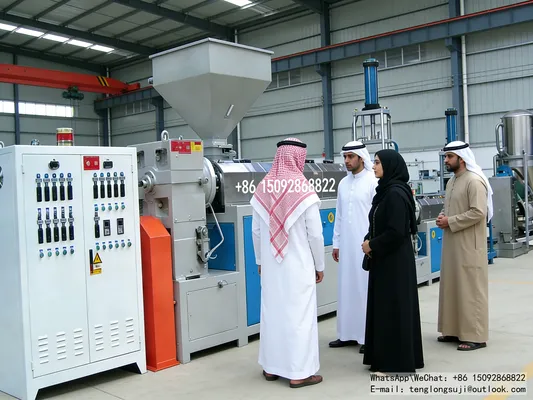
Plastic Recycling Machine
The Challenge
Maria’s biggest challenge was processing beach plastic waste, which is often contaminated with sand, saltwater, and organic matter. The Plastic Recycling Machine she initially used had a weak washing system, leaving sand residues in the recycled plastic, which made the final products brittle and unmarketable. Additionally, the machine was not corrosion-resistant, leading to frequent breakdowns due to saltwater exposure. The low production capacity (1 tonne/day) could not keep up with the amount of beach plastic waste collected daily. Compared to other suppliers, our Plastic Recycling Machine offered corrosion resistance and a powerful washing system, which was critical for her business.
She also needed to align with Goa’s tourism-driven economy, producing high-quality, eco-friendly products that appealed to tourists and local businesses.
The Solution
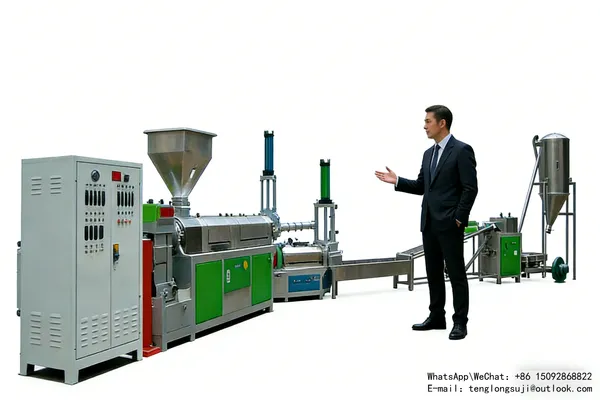
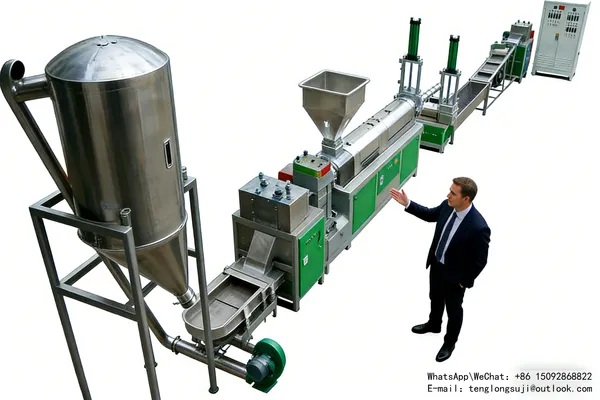
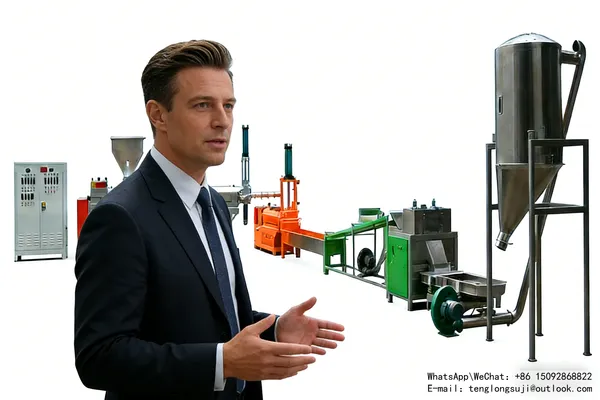
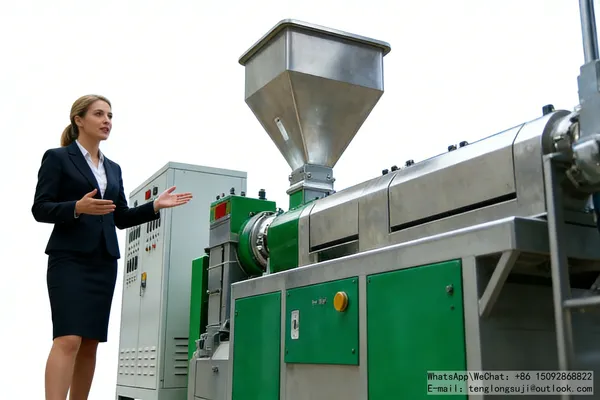
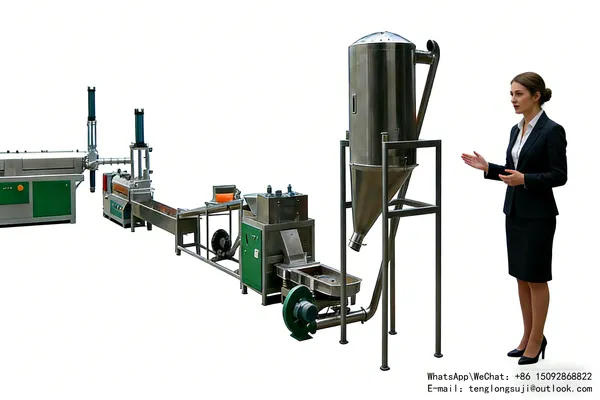
We provided an eco-friendly Plastic Recycling Machine (Model: TL-R1000) tailored for beach plastic waste, with the following configuration:
- Corrosion-resistant stainless steel body, preventing damage from saltwater and extending machine lifespan by 50%.
- 4-stage washing system (rinse, scrub, filter, dry), removing 99.5% of sand, salt, and organic contaminants from beach plastic waste.
- Low-energy drying system, reducing energy consumption by 15% while ensuring the plastic waste is completely dry (moisture content <1%).
- Compact design, suitable for small facilities near Goa’s beaches, with easy transportation and installation.
- Customized granule size adjustment, allowing Maria to produce different sizes of granules for souvenirs and packaging materials.
The Results
After 5 months of operation, Maria’s enterprise achieved remarkable results: the Plastic Recycling Machine processed 3 tonnes of beach plastic waste daily, up from 1 tonne before. The recycled plastic granules were free of sand and contaminants, making them suitable for eco-friendly souvenirs (such as keychains and coasters) and packaging materials. She partnered with 5 local hotels to supply her products, generating a monthly profit of 90,000 INR. The machine’s corrosion resistance reduced breakdowns by 80%, saving 6,000 INR monthly on maintenance costs. She also received recognition from the local government for contributing to beach clean-up efforts.

Plastic Recycling Machine
Customer Quote: “This Plastic Recycling Machine is perfect for Goa’s beach plastic waste! It removes all sand and salt, produces high-quality, clean granules, and is durable even in saltwater environments. It’s helping me turn beach pollution into beautiful, eco-friendly products.”
FAQ
Q1: Can this Plastic Recycling Machine process fishing nets and other thick plastic waste from beaches? A1: Yes, the machine’s powerful shredder can handle thick plastic waste like fishing nets, making it versatile for beach plastic recycling.
Q2: How much water does the washing system consume? A2: The system uses recycled water, consuming only 500 liters of fresh water per day, making it eco-friendly for Goa’s coastal environment.
If you’re involved in beach plastic recycling in Goa, what’s your biggest challenge with processing salt-contaminated plastic? Comment below!