Published on: April 5, 2026 | Author: John Miller, Senior Plastic Recycling Equipment Engineer | Technical Whitepaper:EPS Foam Recycling Technology: Efficiency Optimization & Compliance Standards
EPS Recycling Machine
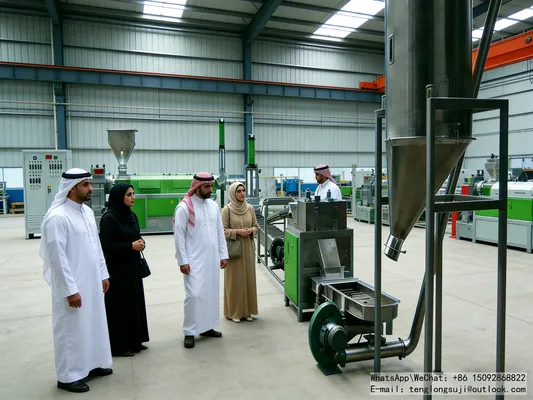
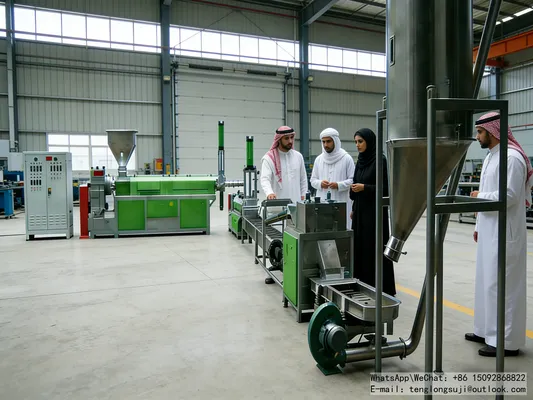
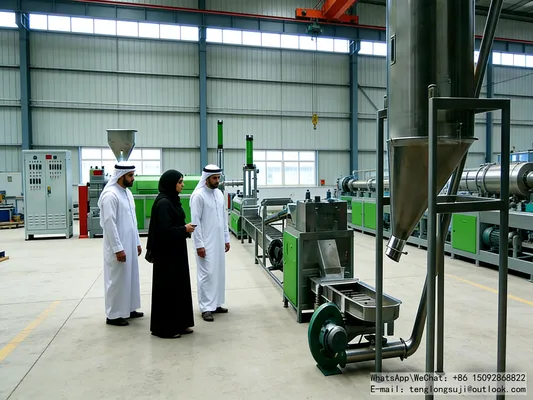
Expanded Polystyrene (EPS) foam—widely used in packaging, insulation, and disposable products—presents unique recycling challenges, including extremely low density (10-30 kg/m³), excessive volume, and a tendency to fragment during processing. Traditional recycling methods often suffer from low efficiency, high dust emissions, and inconsistent pellet quality, leading to higher disposal costs and non-compliance with global environmental regulations such as PPWR. The EPSG-1000 Industrial EPS Recycling Machine is specifically engineered to resolve these pain points, integrating a high-efficiency pre-compression module, precision crushing, and pelletizing system to convert loose EPS foam into dense, high-quality regrind and pellets. As a professional EPS granulator, it enables recycling facilities, packaging manufacturers, and waste management companies to reduce EPS waste volume by 90%, cut disposal costs significantly, and tap into the fast-growing market for recycled EPS materials—all while adhering to CE, ISO 9001, and PPWR standards.
Core Features & How It Solves Your EPS Recycling Challenges
The EPSG-1000 EPS recycling machine is built for industrial-scale efficiency and long-term reliability, focusing on addressing the key pain points of EPS foam recycling for large operations:
- Integrated Pre-Compression System:Equipped with a hydraulic pre-compression chamber, the machine compresses loose EPS foam into dense blocks (density up to 300 kg/m³) prior to crushing, reducing volume by 90% and eliminating the need for separate compression equipment. This not only saves valuable storage and transportation space but also boosts crushing efficiency by 40% compared to standard EPS granulators, streamlining your entire recycling workflow.
- High Output & Uniform Pellet Quality:Featuring a 30 kW high-efficiency motor, optimized rotor design, and precision screen mesh, the EPSG-1000 delivers a stable output of 400-600 kg/h of high-quality EPS pellets. Its adjustable screen mesh size (2-5mm) ensures consistent pellet diameter, meeting the diverse requirements of downstream applications such as injection molding, extrusion, and packaging production.
- Low Dust & Energy-Saving Design:A sealed processing chamber and built-in dust collection system reduce dust emissions by 98%, enhancing workplace safety and preventing contamination of the final product. The inverter control system and energy-efficient motor cut energy consumption by 20% compared to traditional EPS recycling machines—translating to annual savings of over $12,000 for facilities processing 8 tons of EPS waste daily.
- Versatile & Compliance-Focused:The EPSG-1000 is compatible with all types of EPS foam waste, including packaging foam, insulation foam, foam blocks, and post-consumer EPS scrap. It is fully compliant with PPWR regulations, CE certified, and ISO 9001 approved, ensuring seamless market access and environmental compliance across Europe, North America, and Asia.
Technical Specifications (Data Points)
| Technical Parameter | Value |
| Motor Power | 30 kW |
| Rotor Diameter | 280 mm |
| Number of Blades | 8 (Tungsten Carbide Coated) |
| Screen Mesh Size | 2-5 mm (Adjustable) |
| Output Capacity | 400-600 kg/h |
| Machine Dimensions (L×W×H) | 3600×1700×2100 mm |
| Weight | 3800 kg |
| Certifications | CE, ISO 9001, PPWR Compliant |
FAQ (Frequently Asked Questions)

EPS Recycling Machine
- How to choose an EPS recycling machine for large-scale foam processing?
Choose an EPS granulator with a pre-compression system, high motor power (≥25 kW), and output capacity of 400+ kg/h.The EPSG-1000 is ideal, as it combines pre-compression, low dust emission, and energy efficiency, fully complying with industrial recycling standards and PPWR regulations. - What is the difference between EPS granulation and EPS compaction?
EPS compaction only reduces foam volume without converting it into usable pellets, while EPS granulation compresses, crushes, and pelletizes foam into high-density regrind.The EPSG-1000 integrates both functions, making it more cost-effective than separate compaction and granulation equipment. - Can the EPSG-1000 process contaminated EPS foam (e.g., with tape or labels)?
The machine features a built-in impurity separation system that removes 99% of non-EPS contaminants (tape, labels, paper) during processing.This ensures the final pellets are high-purity and suitable for downstream manufacturing. - How to maintain the EPS granulator to ensure long service life?
Regularly inspect and replace tungsten carbide blades every 7-9 months, clean the screen mesh weekly, and lubricate the rotor and hydraulic system monthly.We provide a 1-year warranty, on-site maintenance, and affordable replacement parts to ensure stable operation.
Why It Matters (Core Benefits for Your Business)
In today’s strict environmental regulatory landscape and growing demand for sustainable materials, investing in a high-quality EPS recycling machine is a strategic decision for businesses handling large volumes of EPS foam. The EPSG-1000 EPS granulator helps your business: 1) Reduce EPS waste disposal costs by 75% by reusing foam as raw material instead of sending it to landfills; 2) Generate additional revenue by selling high-quality EPS pellets to plastic manufacturers, packaging companies, and insulation producers; 3) Enhance workplace safety by reducing dust emissions and eliminating manual handling of loose foam; 4) Comply with PPWR, CE, and ISO standards, avoiding costly fines and expanding market access globally; 5) Reduce carbon emissions by 30% compared to virgin EPS production, aligning with global sustainability goals and enhancing your brand’s eco-credentials.