Published on: April 4, 2026 | Author: John Miller, Senior Plastic Recycling Equipment Engineer | Technical Whitepaper:Compact PS Recycling Solutions for Small Businesses
PS Recycling Machine
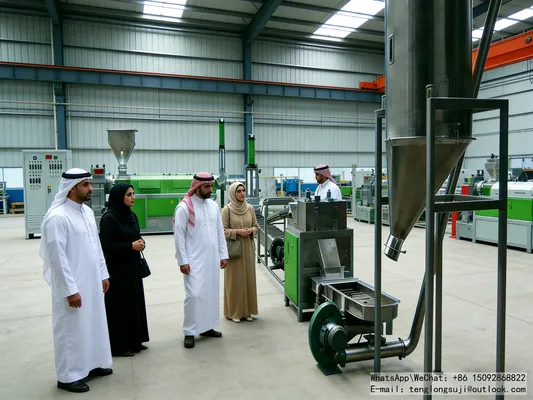
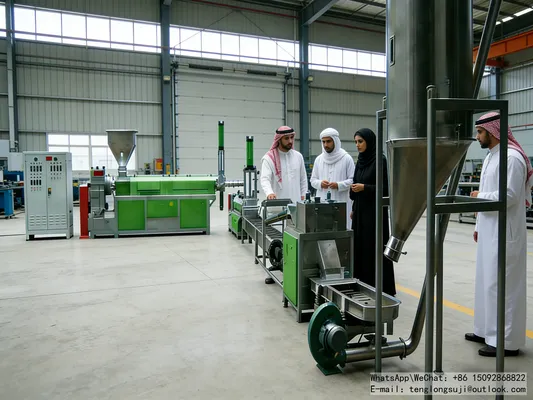
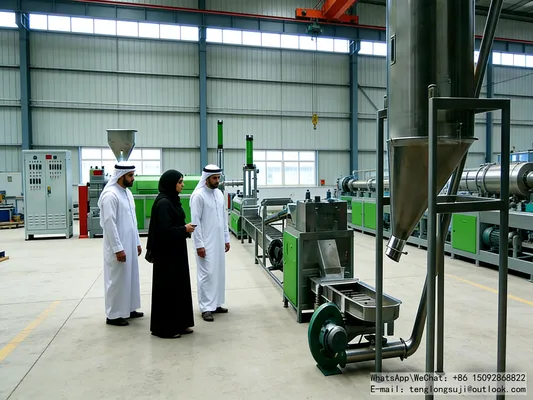
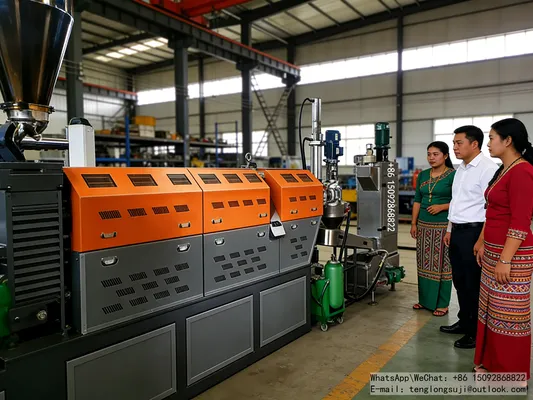
For small to medium-sized enterprises (SMEs) and recycling facilities with limited space, finding an efficient, space-saving PS recycling machine is a critical priority. The PSR-500 Compact PS Recycling Machine combines a PS granulator, crusher, and conveyor into a streamlined design, making it ideal for workshops, small factories, and mobile recycling operations. This all-in-one PS recycling line efficiently processes PS waste—including EPS foam, PS cups, and manufacturing scrap—into high-quality regrind and pellets, helping SMEs reduce waste costs and tap into the growing market for recycled PS materials, all without sacrificing floor space or operational efficiency.
Core Features & How It Solves Your PS Recycling Challenges
The PSR-500 is specifically engineered for SMEs, addressing the unique pain points of small-scale PS recycling:
- Compact Design:With dimensions of 2200×1200×1800 mm and a weight of just 1800 kg, the PSR-500 occupies 40% less space than standard PS recycling lines. It can be easily installed in small workshops or even mobile recycling vehicles, offering flexibility for on-site processing.
- User-Friendly Operation:Equipped with a touchscreen control panel and automated feeding system, the machine requires only 1 operator to run—cutting labor costs by 50% compared to manual recycling processes. The intuitive interface allows non-technical staff to set parameters and monitor operations with ease.
- Cost-Effective Solution:Priced 30% lower than industrial-scale PS granulators, the PSR-500 is accessible for SMEs. It also features low maintenance costs, with replaceable blades and easy-to-clean components that minimize downtime and repair expenses.
- Reliable Performance:Despite its compact size, the PSR-500 delivers a stable output of 150-300 kg/h, with a 98% pelletizing rate—ensuring nearly all PS waste is converted into usable regrind. It is CE certified and PPWR compliant, guaranteeing safety and environmental compliance.
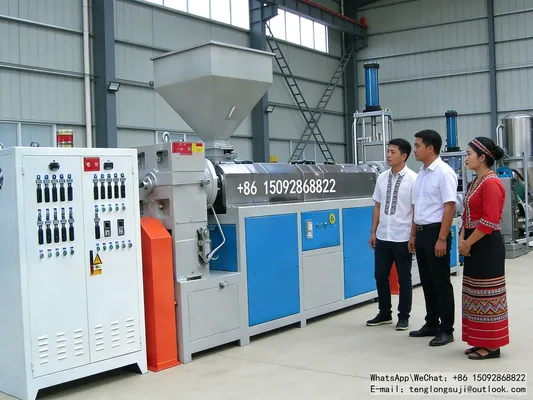
PS Recycling Machine
Technical Specifications (Data Points)
| Technical Parameter | Value |
| Motor Power | 15 kW |
| Rotor Diameter | 200 mm |
| Number of Blades | 6 (High-Speed Steel Blades) |
| Screen Mesh Size | 2-4 mm (Adjustable) |
| Output Capacity | 150-300 kg/h |
| Machine Dimensions (L×W×H) | 2200×1200×1800 mm |
| Weight | 1800 kg |
| Certifications | CE, ISO 9001, PPWR Compliant |
FAQ (Frequently Asked Questions)
- Is the PSR-500 suitable for small workshops with limited space?
The PSR-500’s compact design (2200×1200×1800 mm) occupies minimal floor space—just 3 square meters—making it perfect for small workshops, garages, or mobile recycling operations. - How many operators are needed to run the PSR-500?
Only 1 operator is required. The machine’s automated feeding system and touchscreen control panel simplify operation, eliminating the need for professional technical training. We provide a user manual and video tutorial for added convenience. - Can the PSR-500 process both EPS foam and rigid PS waste?
It features a dual-purpose crushing chamber that handles EPS foam (with pre-compression) and rigid PS waste (e.g., PS bottles, sheets) efficiently, adjusting automatically to different material densities for optimal processing. - What is the cost of maintaining the PSR-500?
Maintenance costs are low—approximately $500-800 per year. High-speed steel blades can be sharpened or replaced every 8-10 months, and the screen mesh is easy to clean and replace. We offer a 1-year warranty and affordable replacement parts.
Why It Matters (Core Benefits for Your Business)
For SMEs, every square meter of space and every dollar of cost counts. The PSR-500 Compact PS Recycling Machine lets you enter the PS recycling market without large upfront investments or space constraints. It helps your business: 1) Save up to $10,000 annually by reducing PS waste disposal fees; 2) Create a new revenue stream by selling high-quality PS pellets to local plastic manufacturers; 3) Operate efficiently with minimal labor, freeing staff for other tasks; 4) Comply with PPWR regulations and enhance your brand’s eco-friendly reputation.