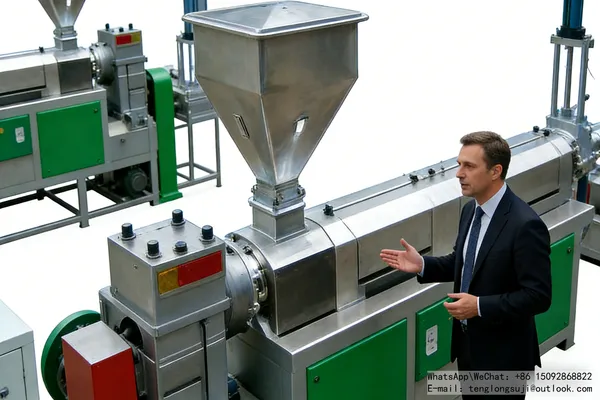
Ms. Priya, a college-educated agri-entrepreneur in Jorhat, Assam, runs a recycling cooperative with 12 employees. She founded the cooperative in 2024 to address Assam’s agricultural plastic waste problem—local farmers use large quantities of agricultural plastic film and pesticide packaging, which are often discarded in fields, causing soil and water pollution and negatively impacting crop yields. With support from local government policies promoting agricultural waste recycling, Ms. Priya’s cooperative collects agricultural plastic waste from 50 nearby villages. She needed a plastic recycling machine that could process agricultural plastic waste efficiently, with low pollution, and produce high-quality recycled materials reusable in agriculture—creating a circular economy for local farmers.
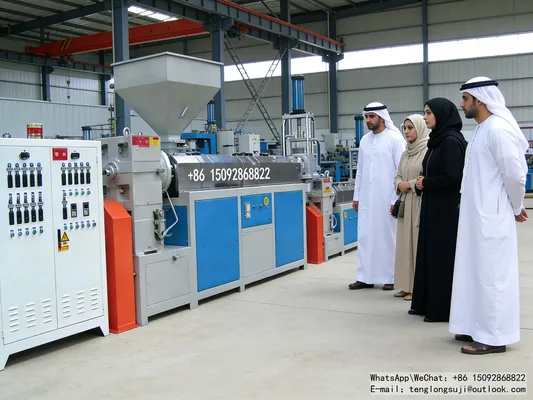
Plastic Recycling Machine
The Challenge
Ms. Priya’s main challenges in processing agricultural plastic waste centered on efficiency, pollution, and product reuse. First, agricultural plastic waste is often contaminated with soil and pesticide residues, and the traditional plastic recycling machine could not clean it thoroughly—resulting in low-quality recycled materials unsuitable for agricultural reuse. Second, the machine’s slow processing speed (150 kg/h) could not handle the 1.5 tonnes of agricultural plastic waste collected daily by the cooperative, leading to waste backlogs. Third, the machine emitted strong odors during processing, polluting the surrounding environment and triggering complaints from nearby villagers. Compared to other suppliers, Ms. Priya needed an eco-friendly plastic recycling machine that could thoroughly clean agricultural plastic waste, process it efficiently, and operate odor-free—aligning with her cooperative’s eco-friendly mission.
The Solution
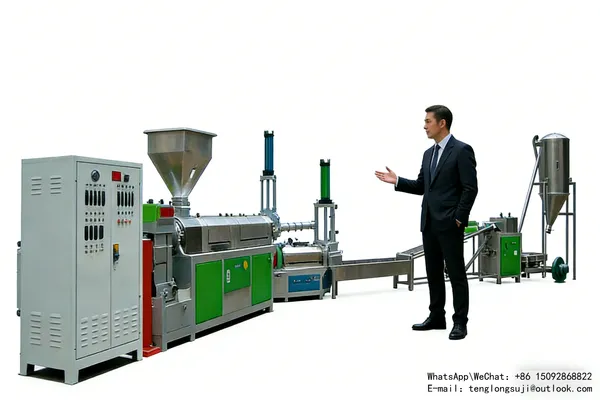
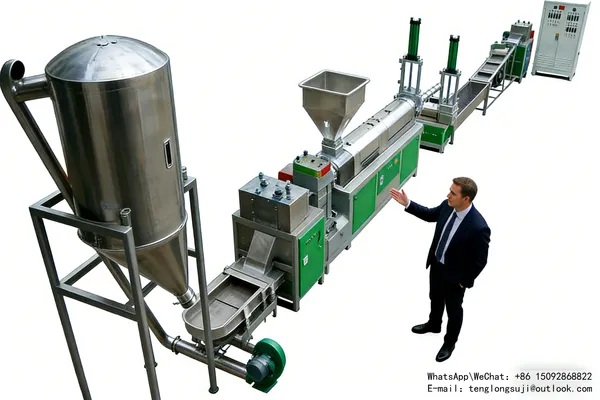
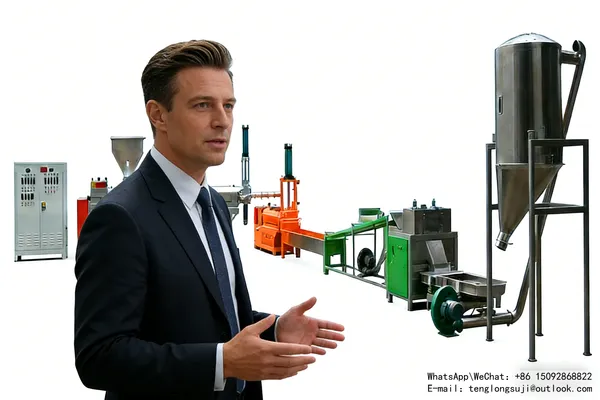
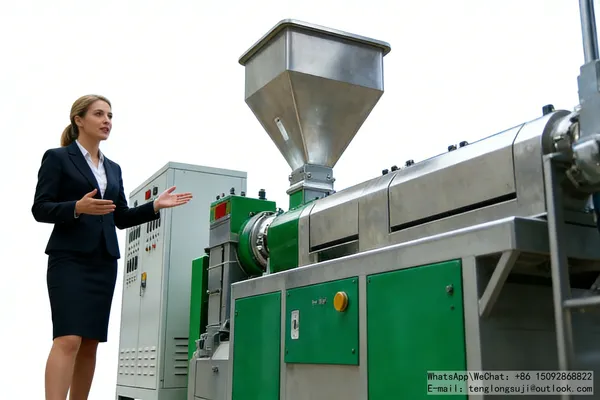
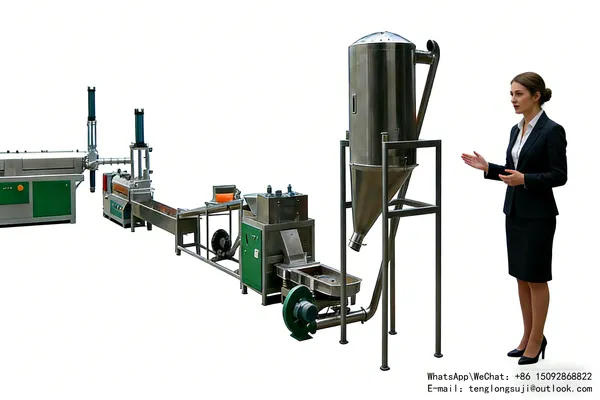
We provided an eco-friendly and efficient plastic recycling machine (model: LG-400) tailored to agricultural plastic waste processing in Assam, with the following configuration and advantages:
- 4-stage cleaning system: Combining high-pressure washing, friction cleaning, soaking, and centrifugal drying—removing 99% of soil and pesticide residues from agricultural plastic waste, ensuring the recycled materials can be reused in agriculture.
- High-efficiency processing: Processing capacity 400 kg/h, daily output 3.2 tonnes—meeting the cooperative’s daily processing needs (1.5 tonnes) with room for expansion.
- Odor removal system: Equipped with an activated carbon adsorption device, removing 95% of odors generated during processing—complying with environmental standards and avoiding complaints from villagers.
- Technical parameters: Dehydration rate 98%, recycled material purity 99%, equipped with a PLC automatic control system—requiring only 2 operators to monitor the process.
- Pre-sales: Our team designed a customized processing plan based on the characteristics of agricultural plastic waste in Assam. Post-sales: Free on-site installation and training, 1-year warranty, and regular on-site maintenance—supporting the cooperative’s long-term development.
The Results
Since the plastic recycling machine was commissioned, Ms. Priya’s cooperative has achieved remarkable environmental, social, and economic benefits:

Plastic Recycling Machine
- Processing efficiency: Daily processing capacity increased from 0.8 tonnes to 3.2 tonnes—easily handling collected agricultural plastic waste and reducing waste backlogs.
- Product quality: Recycled agricultural plastic materials have high purity with no residues, and are reused to produce agricultural film and fertilizer packaging—selling at ₹50/kg, generating monthly revenue of ₹240,000.
- Environmental impact: The cooperative processes 96 tonnes of agricultural plastic waste annually, reducing soil and water pollution in 50 villages and earning praise from the local government.
- Social benefit: The cooperative has created 12 jobs for local villagers, helping to increase their income and promote rural development.
Ms. Priya said: “This plastic recycling machine is a boon for our cooperative! It’s efficient, eco-friendly, and produces high-quality recycled materials that can be reused in agriculture. It not only helps us solve the problem of agricultural plastic waste but also brings economic benefits to the villagers—this is the true meaning of sustainable development!”
FAQ
Q1: Can this plastic recycling machine process pesticide-contaminated plastic waste safely?
A1: Yes, the 4-stage cleaning system and activated carbon adsorption device effectively remove pesticide residues and odors, ensuring safe processing.
Q2: How much does it cost to operate the machine daily?
A2: The daily electricity cost is about ₹2,000, and the water cost is ₹500—offering low operating costs and high profitability.
If you run an agricultural plastic recycling project in Assam, have you ever faced difficulties in cleaning or processing efficiency? Leave your comments to discuss solutions!