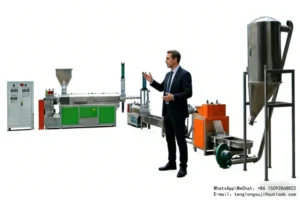
April 7, 2026 – Selecting the right PVC Granulator is a critical decision for recycling businesses, as it directly impacts productivity, rPVC quality, and long-term profitability. With the globalPVC Granulator market expanding rapidly—driven by growing demand for rPVC and strict environmental policies—buyers face a wide range of options, from small manual systems to large fully automated lines. In 2026, PVC Granulator prices range from $11,500 for basic models to over $280,000 for high-capacity systems, making it essential to choose equipment that aligns with your specific operational needs and budget.
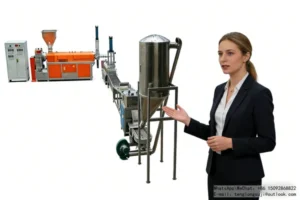
PVC Granulator
Assess Your Capacity Needs: Small, Medium, or Large PVC Granulator?
The first step in choosing a PVC Granulator is to determine your daily processing capacity. Below is a detailed breakdown of 2026 PVC Granulator capacity categories, including key parameters and ideal use cases, to help you make an informed decision:
| Capacity Category | Processing Capacity | Key Parameters | Ideal Use Case | Price Range (2026) |
| Small | 50-200 kg/h | Screw diameter: 35-45mm; Energy consumption: 5-16 kW/h; Decontamination Efficiency: ≥97.5% | Small workshops, pilot projects, or businesses with limited space and low PVC waste volume | $11,500-$32,000 |
| Medium | 200-500 kg/h | Screw diameter: 50-75mm; Energy consumption: 16-32 kW/h; Heat Recovery Unit; IoT-enabled monitoring | Medium-sized recycling facilities handling post-consumer PVC waste (pipes, window profiles, packaging) | $42,000-$105,000 |
| Large | 500+ kg/h | Screw diameter: 80-125mm; Energy consumption: 32-60 kW/h; Automated decontamination; Water Ring Pelletizer | Large-scale recycling plants supplying rPVC to construction, automotive, and medical industries | $130,000-$280,000+ |
Key Features to Prioritize in a 2026 PVC Granulator
When evaluating PVC Granulator, focus on features that align with your business goals, compliance requirements, and long-term profitability. For most recyclers, these include:
- Versatility: Choose a PVC Granulatorthat can process multiple PVC grades (rigid, flexible) and mixed PVC waste to maximize flexibility and revenue streams.
- Energy Efficiency: Look for machines with Heat Recovery Unitand VFDs to reduce energy consumption by ≥20% and lower operational costs—critical for long-term profitability.
- Easy Maintenance: Modular designs allow for quick component replacement (blades, screens, PVC-specific Separatorfilters) and reduce downtime. Tungsten carbide blades are recommended for durability and cost savings.
- Compliance Features: If exporting rPVC, ensure the PVC Granulatormeets GRS, ISCC, and REACH standards, with traceability systems and high Decontamination Efficiency.
Common Mistakes to Avoid When Buying a PVC Granulator
- Choosing the wrong capacity: Overloading a smallPVC Granulatorreduces its lifespan by 35-45%, while a large machine may waste energy if you don’t have enough PVC waste to process—match capacity to your actual needs.
- Prioritizing price over quality: CheaperPVC Granulatoroften have lower Decontamination Efficiency and higher maintenance costs—invest in a reputable brand with a 5+ year warranty to avoid long-term headaches.
- Ignoring after-sales service: Ensure the manufacturer offers timely technical support and spare parts, as downtime can cost $1,100+ per day for medium-sized facilities.
- Overlooking compatibility: Ensure the PVC Granulatoris compatible with your existing recycling equipment (e.g., washers, dryers, deplasticizing units) to avoid costly modifications and operational delays.
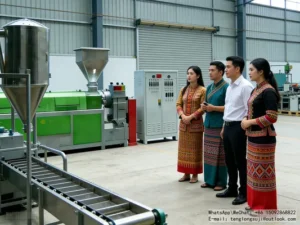
PVC Granulator
FAQ: Buying a PVC Granulator in 2026
- Q: Should I choose a manual or automated PVC Granulator?
A: Automated PVC Granulatorare recommended for medium to large facilities, as they reduce labor costs by 40-50%. Manual machines are suitable for small workshops with limited budget and low waste volume. - Q: How long does it take to recoup the investment in a PVC Granulator?
A: Small machines have a payback period of 2-3 months, medium machines 1-2 months, and large machines less than 1 month, depending on throughput and rPVC prices—making it a high-ROI investment. - Q: Are there financing options available for PVC Granulator purchases?
A: Yes, many manufacturers and financial institutions offer financing plans with terms of 1-5 years. Some governments also offer loans or grants for sustainable recycling equipment, including PVC Granulator. - Q: What is the most important parameter to consider for a PVC Granulator?
A:Decontamination Efficiencyis critical, as it directly impacts rPVC quality and marketability—aim for ≥99% for high-value applications like construction pipes and automotive parts.