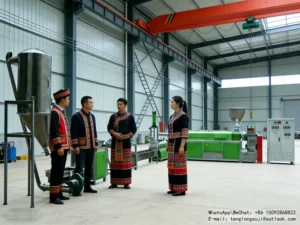
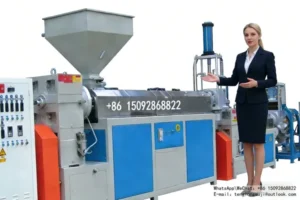
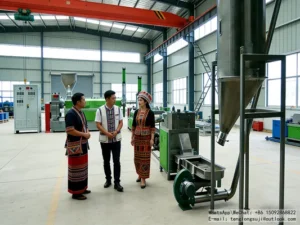
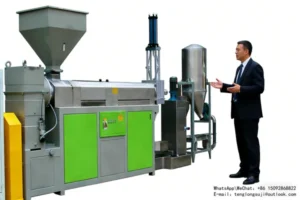
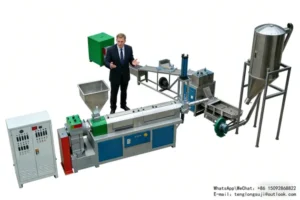
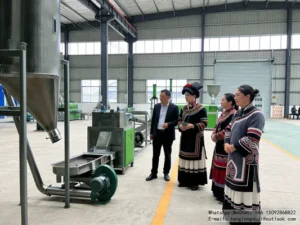
April 7, 2026 – For plastic recycling businesses, investing in a Plastic Recycling Machine is a strategic decision that delivers significant economic benefits. With the global demand for rPlastic rising and virgin plastic prices increasing (up 12% in 2026), Plastic Recycling Machine helps businesses reduce costs, increase revenue, and achieve a favorable return on investment (ROI). In 2026, the average ROI for a medium-sized Plastic Recycling Machine is 800%+, with a payback period of just 1-2 months.
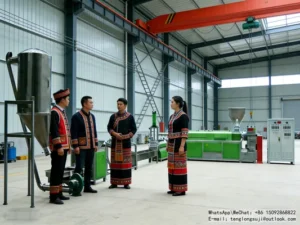
Plastic Recycling Machine
ROI Calculation for a 2026 Plastic Recycling Machine
The ROI of a Plastic Recycling Machine depends on factors like capacity, operational costs, and rPlastic prices. Below is a realistic ROI calculation for a medium-sized Plastic Recycling Machine (200-500 kg/h) in 2026, based on industry averages and real-world data:
Cost/Income ItemAmount (USD/Year)Plastic Recycling Machine Cost (Medium-Sized)$70,000 (one-time investment)Annual Operational Costs (Energy, Labor, Maintenance)$35,000Annual Processing Capacity (250 kg/h, 8 hours/day, 250 days/year)500,000 kgrPlastic Pellet Price (2026 Average)$1.20/kgAnnual Revenue from rPlastic Sales$600,000Annual Net Profit$565,000ROI (Annual Net Profit / Machine Cost)807% (Payback Period: ~1.5 months)
Note: This calculation assumes a 95% processing efficiency (5% waste) and a raw material cost of $0.30/kg (post-consumer plastic waste). Smaller machines have a lower upfront cost but similar ROI percentages, while large machines offer faster payback periods (≤1 month) due to higher throughput.
Cost Savings from Plastic Recycling Machine
The primary economic benefit of a Plastic Recycling Machine is reducing raw material costs for plastic manufacturers. Virgin plastic resin costs $1.80-$2.20/kg in 2026, while rPlastic produced by a Plastic Recycling Machine costs just $1.00-$1.30/kg—a savings of 30-50% per kg.
Additional cost savings include:
Energy Savings: Modern Plastic Recycling Machine with Heat Recovery Unit and VFDs reduce energy consumption by 15-20%, saving $5,000-$10,000 annually.Labor Savings: Automated Plastic Recycling Machine reduce the need for manual labor—one operator can manage 2-3 machines, saving $15,000-$20,000 annually.Waste Reduction: Advanced decontamination systems reduce waste to ≤5%, maximizing raw material use and increasing revenue.
Maximizing Profitability with Plastic Recycling Machine
To maximize the economic benefits of a Plastic Recycling Machine, consider these strategies:
Produce High-Value rPlastic: Focus on high-purity rPlastic (≥98% purity) that meets GRS/ISCC certifications—these command a premium price of $1.30-$1.50/kg, compared to $0.80-$1.00/kg for low-purity rPlastic.Optimize Throughput: Operate the Plastic Recycling Machine at full capacity during peak hours to maximize revenue. Consider adding a second machine if demand exceeds current capacity.Reduce Maintenance Costs: Follow a regular maintenance schedule to extend the machine’s lifespan. ModularPlastic Recycling Machine with easy-to-replace components reduce maintenance costs by 20-30%.Diversify End Markets: Sell rPlastic to multiple industries (packaging, automotive, construction) to reduce reliance on a single market and stabilize revenue.
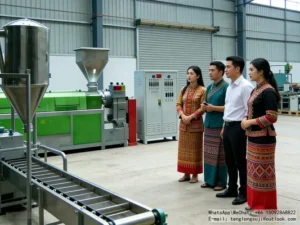
Plastic Recycling Machine
FAQ: Plastic Recycling Machine Economic Benefits
- Q: What is the average payback period for a Plastic Recycling Machine?
A: Small machines (50-200 kg/h): 2-3 months; Medium machines (200-500 kg/h): 1-2 months; Large machines (500+ kg/h): ≤1 month. - Q: How much can a business save by using rPlastic instead of virgin plastic?
A: A medium-sized facility processing 500,000 kg of plastic waste annually can save $400,000-$500,000 in raw material costs. - Q: Are there hidden costs associated with Plastic Recycling Machine ownership?
A: Hidden costs include spare parts (blades, screens), operator training, and waste disposal fees—these typically account for 5-10% of annual operational costs.