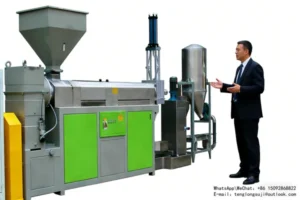
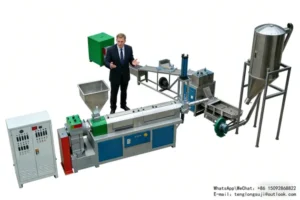
April 7, 2026 – Selecting the right Plastic Recycling Machine is a critical decision for recycling businesses, as it directly impacts productivity, product quality, and profitability. With the global Plastic Recycling Machine market expanding rapidly—driven by growing demand for rPlastic and strict environmental policies—buyers face a wide range of options, from small manual systems to large fully automated lines. In 2026, Plastic Recycling Machine prices range from $10,000 for basic models to over $250,000 for high-capacity systems, making it essential to choose equipment that aligns with your specific needs.
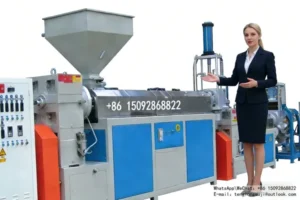
Plastic Recycling Machine
Assess Your Capacity Needs: Small, Medium, or Large Plastic Recycling Machine?
The first step in choosing a Plastic Recycling Machine is to determine your daily processing capacity. Below is a detailed breakdown of 2026 Plastic Recycling Machine capacity categories, including key parameters and ideal use cases:
| Capacity Category | Processing Capacity | Key Parameters | Ideal Use Case | Price Range (2026) |
| Small | 50-200 kg/h | Screw diameter: 35-45mm; Energy consumption: 5-15 kW/h | Small workshops, pilot projects, or businesses with limited space | $10,000-$30,000 |
| Medium | 200-500 kg/h | Screw diameter: 50-75mm; Energy consumption: 15-30 kW/h; Decontamination Efficiency: ≥98% | Medium-sized recycling facilities handling post-consumer plastic waste (PET bottles, PE film) | $40,000-$100,000 |
| Large | 500+ kg/h | Screw diameter: 80-120mm; Energy consumption: 30-60 kW/h; IoT-enabled control | Large-scale recycling plants supplying rPlastic to packaging or automotive industries | $120,000-$250,000+ |
Key Features to Prioritize in a 2026 Plastic Recycling Machine
When evaluating Plastic Recycling Machine, focus on features that align with your business goals and compliance requirements. For most businesses, these include:
Versatility: Choose a Plastic Recycling Machine that can process multiple plastic types (PET, PE, PP, HDPE) to maximize flexibility and revenue streams.Energy Efficiency: Look for machines withHeat Recovery Unit and VFDs to reduce energy consumption by ≥15% and lower operational costs.Easy Maintenance: Modular designs allow for quick component replacement (blades, screens) and reduce downtime. Hardened steel blades are recommended for durability.Compliance Features: If exporting, ensure the machine meets GRS, ISCC, and REACH standards, with traceability systems and high Decontamination Efficiency.
Common Mistakes to Avoid When Buying a Plastic Recycling Machine
- Choosing the wrong capacity: Overloading a small machine reduces its lifespan, while a large machine may waste energy if you don’t have enough raw material.
- Prioritizing price over quality: Cheaper machines often have higher maintenance costs and shorter lifespans—invest in a reputable brand with a 5+ year warranty.
- Ignoring after-sales service: Ensure the manufacturer offers timely technical support and spare parts, as downtime can cost $1,000+ per day.
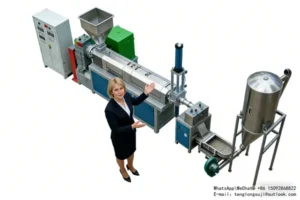
Plastic Recycling Machine
FAQ: Buying a Plastic Recycling Machine in 2026
- Q: Should I choose a manual or automated Plastic Recycling Machine?
A: Automated machines are recommended for medium to large facilities, as they reduce labor costs by 30-40%. Manual machines are suitable for small workshops with limited budget. - Q: How long does it take to recoup the investment in a Plastic Recycling Machine?
A: Small machines have a payback period of 2-3 months, medium machines 1-2 months, and large machines less than 1 month, depending on throughput and rPlastic prices. - Q: Are there financing options available for Plastic Recycling Machine purchases?
A: Yes, many manufacturers and financial institutions offer financing plans with terms of 1-5 years. Some governments also offer loans or grants for sustainable recycling equipment.