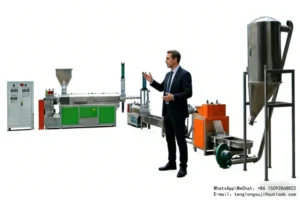
April 7, 2026 – For PVC Recycling Machine manufacturers and exporters, compliance with international standards like GRS, ISCC, and REACH is critical to accessing global markets. In 2026, 90% of plastic recycling buyers require suppliers to use PVC Recycling Machine that meet these standards, as they ensure the quality, sustainability, and safety of rPVC products. This article explains how to optimize PVC Recycling Machine to meet GRS, ISCC, and REACH requirements, unlocking export opportunities in the EU, US, and Asian markets.

PVC Recycling Machine
GRS Certification: OptimizingPVC Recycling Machine for Traceability & Sustainability
The Global Recycled Standard (GRS) is a voluntary international standard that tracks and verifies the recycled content of rPVC products—essential for accessing retail and construction markets. To meet GRS requirements, PVC Recycling Machine must be equipped with traceability systems that document the entire recycling process—from raw PVC waste collection to finished rPVC pellet production. This includes barcode or RFID systems to track each batch of PVC waste, ensuring transparency and accountability for buyers.
Key optimizations for GRS-compliant PVC Recycling Machine include:
- Separate processing lines for different PVC grades to avoid cross-contamination, ensuring rPVC purity of ≥98.5%—a key GRS requirement for high-value applications.
- Documentation of Intrinsic Viscosity (IV) Retention Rate(≥88%) to prove rPVC maintains its mechanical properties, which is critical for buyers in the construction and automotive industries.
- Integration of water recycling systems to reduce water consumption by ≥60%, aligning with GRS’s environmental sustainability criteria and reducing operational costs.
GRS-certified PVC Recycling Machine produce rPVC that is eligible for Amazon’s Climate Pledge Friendly program and Home Depot’s Sustainable Building Initiative—significantly increasing marketability and demand for your products.
ISCC Certification: PVC Recycling Machine for EU and Asian Export Markets
The International Sustainability and Carbon Certification (ISCC) is a key standard for PVC Recycling Machine exporters targeting the EU and Asian markets (Japan, South Korea). ISCC focuses on sustainability, carbon footprint reduction, and traceability, requiring PVC Recycling Machine to minimize environmental impact throughout its lifecycle—from manufacturing to operation.
To meet ISCC requirements, PVC Recycling Machine must:
- Feature energy-efficient designs with a carbon footprint reduction of ≥20% compared to traditional models, achieved through Heat Recovery Unitand VFDs—aligning with global carbon reduction goals.
- Use eco-friendly lubricants and materials that comply with ISCC’s chemical restrictions, ensuring no harmful substances leach into rPVC and compromising product safety.
- Have a closed-loop water system to reduce water consumption and minimize wastewater, meeting ISCC’s water stewardship standards and reducing environmental impact.
ISCC certification is particularly important for PVC Recycling Machine used to produce rPVC for the construction and automotive industries, where sustainability credentials are a top priority for buyers.
REACH Compliance: PVC Recycling Machine for EU Export
The EU’s REACH Regulation sets strict limits on harmful substances in PVC Recycling Machine and the rPVC they produce. For exporters to the EU, PVC Recycling Machine must be free of restricted chemicals (such as lead, cadmium, and phthalates) and must not release harmful substances during operation—non-compliance can result in costly fines and market exclusion.
Key optimizations for REACH-compliant PVC Recycling Machine include:
- Using food-grade stainless steel for components that come into contact with PVC waste, preventing chemical contamination and ensuring rPVC safety for food-contact packaging applications.
- Implementing advanced filtration systems to remove harmful contaminants from wastewater, ensuring compliance with EU wastewater standards and avoiding environmental penalties.
- Providing a detailed chemical safety report for the PVC Recycling Machine, including all materials used in its construction, to demonstrate compliance with REACH’s substance restrictions.
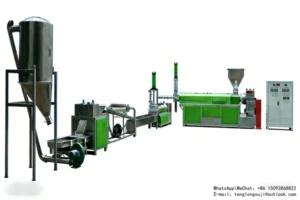
PVC Recycling Machine
FAQ: PVC Recycling Machine and International Export Standards
- Q: Is GRS certification mandatory for exporting PVC Recycling Machine?
A: GRS is voluntary, but it is highly recommended—90% of global buyers require GRS-certified equipment to ensure recycled content traceability and sustainability, making it a competitive necessity. - Q: Can a single PVC Recycling Machine be certified for both GRS and ISCC?
A: Yes, many 2026 PVC Recycling Machineare designed to meet both standards, allowing exporters to access multiple markets with one machine and reduce certification costs. - Q: What happens if a PVC Recycling Machine does not meet REACH requirements?
A: Machines that fail REACH compliance are banned from the EU market, and exporters may face fines of up to €150,000, along with reputational damage that can impact future business opportunities.