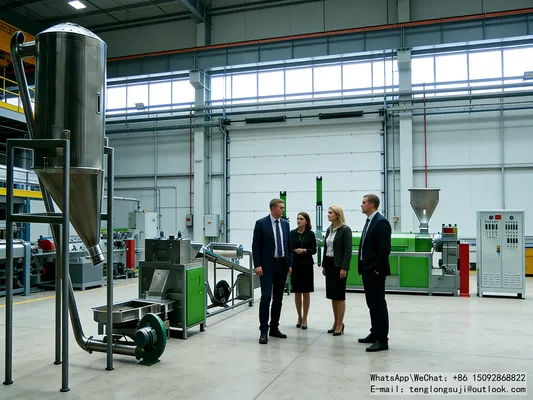
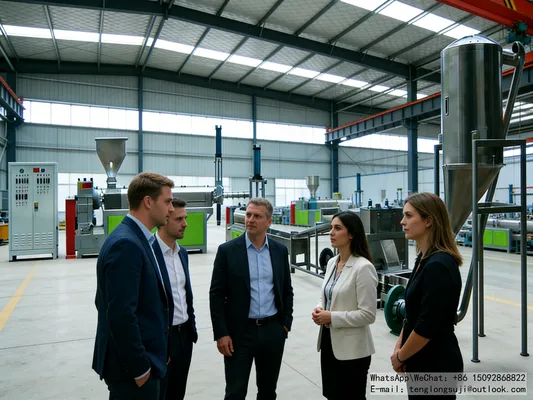
The global drive toward a circular economy, coupled with increasingly stringent plastic waste regulations, has pushed demand for high-performance PP Recycling Machine to unprecedented levels in 2026. As industries across the globe prioritize sustainability, PP (polypropylene) recycling has emerged as a vital sector—with advanced machinery leading the effort to cut plastic pollution and unlock long-term economic value. This article examines the key trends shaping the PP Recycling Machine market this year, from intelligent upgrades to energy-saving innovations, and how these advancements align with global environmental policies.
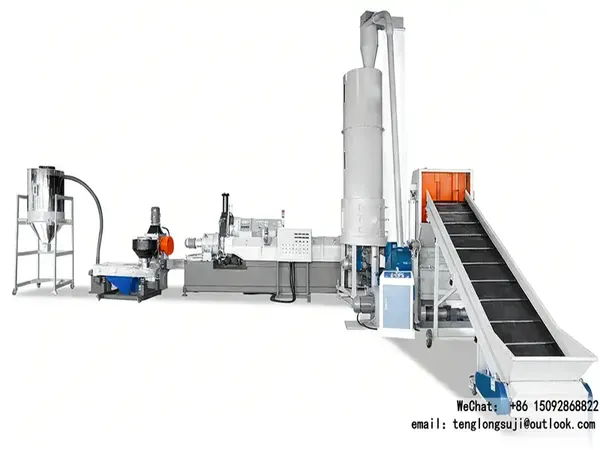
PP Recycling Machine
How Smart PP Recycling Machine Enhances Operational Efficiency (Long-tail Keyword: Smart PP Recycling Machine Operational Efficiency)
In 2026, the integration of IoT (Internet of Things) and AI into PP Recycling Machine has revolutionized recycling facilities of all sizes. Unlike traditional machines that demand constant manual oversight, modern smart PP Recycling Machine comes equipped with real-time monitoring sensors, automated fault detection, and remote control capabilities—streamlining operations and minimizing human error. For instance, leading manufacturers have launched models featuring built-in data analytics platforms that track key performance indicators (KPIs) such as throughput, energy consumption, and pellet quality, enabling operators to optimize processes and reduce downtime by up to 30%.
These smart machines also boast adaptive control systems that adjust parameters—including screw speed, temperature, and feed rate—based on the quality of incoming PP waste. This not only enhances the consistency of recycled PP pellets but also reduces material waste by 15-20% compared to conventional machines. For small and medium-sized recycling businesses, this translates to lower operational costs and higher profit margins, making smart PP Recycling Machine a strategic investment in 2026.
Energy-Saving Innovations in 2026 PP Recycling Machine
Energy efficiency is another critical trend driving the PP Recycling Machine market in 2026, as rising energy costs and global carbon reduction targets push manufacturers to develop more sustainable solutions. The latest PP Recycling Machine models integrate advanced heat recovery units (HRUs) that capture and reuse waste heat generated during the extrusion and pelletizing process—cutting energy consumption by at least 15% compared to traditional machines. Some high-end models even achieve energy savings of up to 25% by optimizing screw design and utilizing energy-efficient motors.
Furthermore, many PP Recycling Machine manufacturers are now using lightweight, high-strength materials in machine construction—reducing the machine’s carbon footprint while simplifying transportation and installation. For example, a medium-sized smart PP Recycling Machine with an HRU consumes approximately 8-10 kWh per hour, compared to 12-15 kWh for older models. This results in annual energy savings of over $5,000 for a typical recycling facility operating 8 hours a day, 5 days a week.
Policy Impact: EU SUP Directive and GRS Certification Driving PP Recycling Machine Demand
The 2026 update to the EU Single-Use Plastics (SUP) Directive has significantly boosted demand for PP Recycling Machine across Europe. The directive now mandates that 50% of PP plastic packaging be recycled by 2025, with a target of 70% by 2030—forcing packaging manufacturers and recycling facilities to invest in advanced recycling equipment to comply. Similarly, the Global Recycled Standard (GRS) and ISCC (International Sustainability and Carbon Certification) have become mandatory for businesses seeking to export recycled PP products, driving adoption of PP Recycling Machine capable of producing high-purity pellets that meet these certification requirements.
To comply with these regulations, PP Recycling Machine manufacturers have enhanced the decontamination efficiency of their equipment, ensuring recycled PP pellets achieve a purity level of 99.5% or higher. This is accomplished through advanced washing systems, centrifugal separators, and optical sorters that remove impurities—such as paper, metal, and other plastics (e.g., PET, PE)—from PP waste streams.
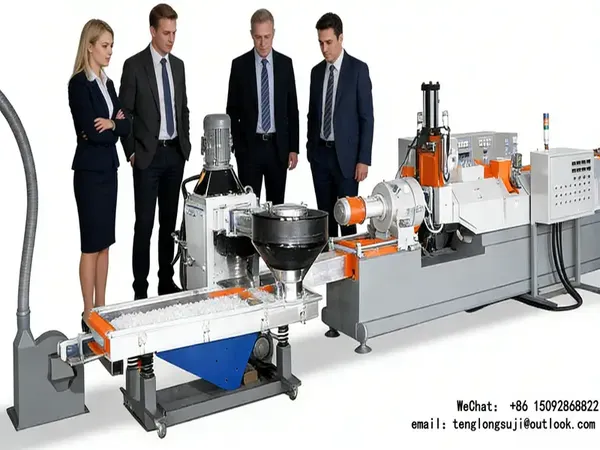
PP Recycling Machine
FAQ: 2026 PP Recycling Machine Trends and Investments
- Q: What is the average ROI for a smart PP Recycling Machine in 2026? A: The average return on investment (ROI) for a smart PP Recycling Machine is 18-24 months, depending on machine size, operational hours, and local plastic waste prices. Small-scale machines (50-100 kg/h) typically have a shorter ROI (12-18 months), while large-scale models (500+ kg/h) may take 20-24 months to recoup costs.
- Q: How do I ensure my PP Recycling Machine meets GRS certification requirements? A: To meet GRS standards, your PP Recycling Machine must have a decontamination efficiency of ≥99%, produce pellets with a consistent melt flow index (MFI) of 2-10 g/10min, and include a traceability system to track the source of PP waste. Many manufacturers offer GRS-compliant models with built-in quality control features to simplify compliance.
- Q: Are energy-saving PP Recycling Machines more expensive than traditional models? A: While energy-saving PP Recycling Machines may have a 10-15% higher upfront cost, long-term energy savings and reduced operational costs make them more cost-effective over time. Most businesses recoup the price difference within 12-18 months of installation.
- Q: What is the expected growth rate of the PP Recycling Machine market in 2026? A: According to 2026 market data, the global PP Recycling Machine market is projected to grow at a CAGR of 8.2% this year—driven by increasing environmental regulations and rising demand for recycled PP in packaging, automotive, and construction industries.
Tags:
SEO Description: